Master Pre-Season Rifle Prep: Ensure Accuracy and Success for Big Game Hunting
Published on September 4, 2026 by Jace Bauserman
Guttural bugles pierced the mid-October darkness. We had played it perfectly. The cold, thin mountain air along with the 800-foot ascent had our lungs burning. It didn’t matter. The payoff was minutes away. My buddy was prone, his rifle’s fore-end resting on his pack. I was on the glass. I’d glance through the spotter and then at my watch. I was counting down the seconds to legal light.
The shot was under 200 yards and slightly downhill. No problem. I’d seen my buddy make much harder shots on much smaller animals. I was half-shocked when the rifle boomed, and the bull didn’t move. I heard my friend work the action, and seconds after the bolt closed, another boom. Nothing. This time, the bull broke for the timber.
My buddy, an outstanding hunter, looked me dead in the eye and said, “I don’t get it; this rifle was on last year.”
Yikes!
I think you know where I’m going. My buddy had gotten complacent. I later learned he hadn’t confirmed his zero or done any pre-season practice in three years. This, friends, is the perfect recipe for what happened on that October morning. That recipe is called disaster!
Big game seasons are right around the corner. Now is the time to put in the necessary pre-season rifle work to ensure your story ends with meat lashed to your backpack.
Here’s an excellent pre-season routine that, if you put it into practice, will help you fill the freezer regularly this fall.
Confirm Zero
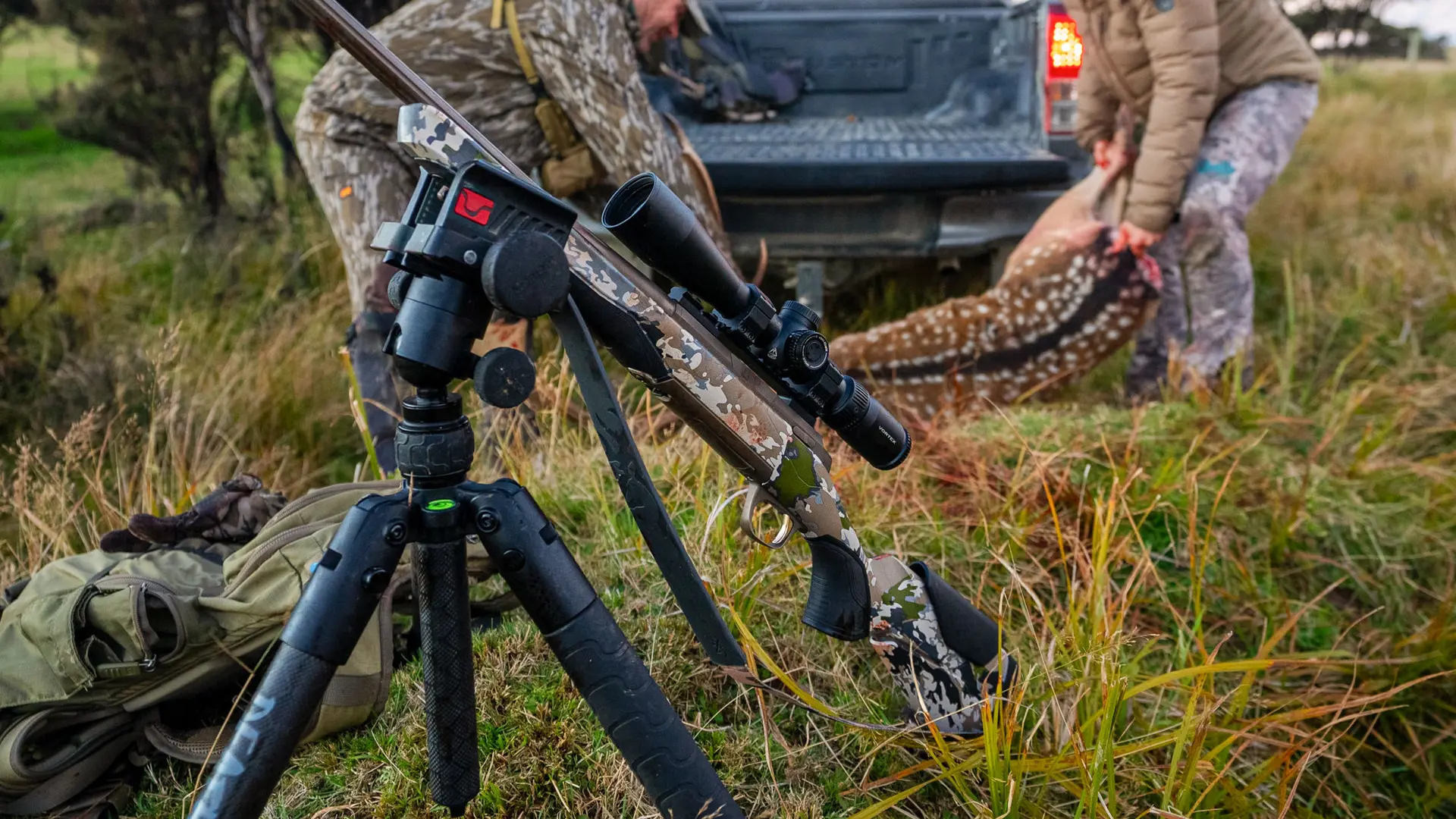
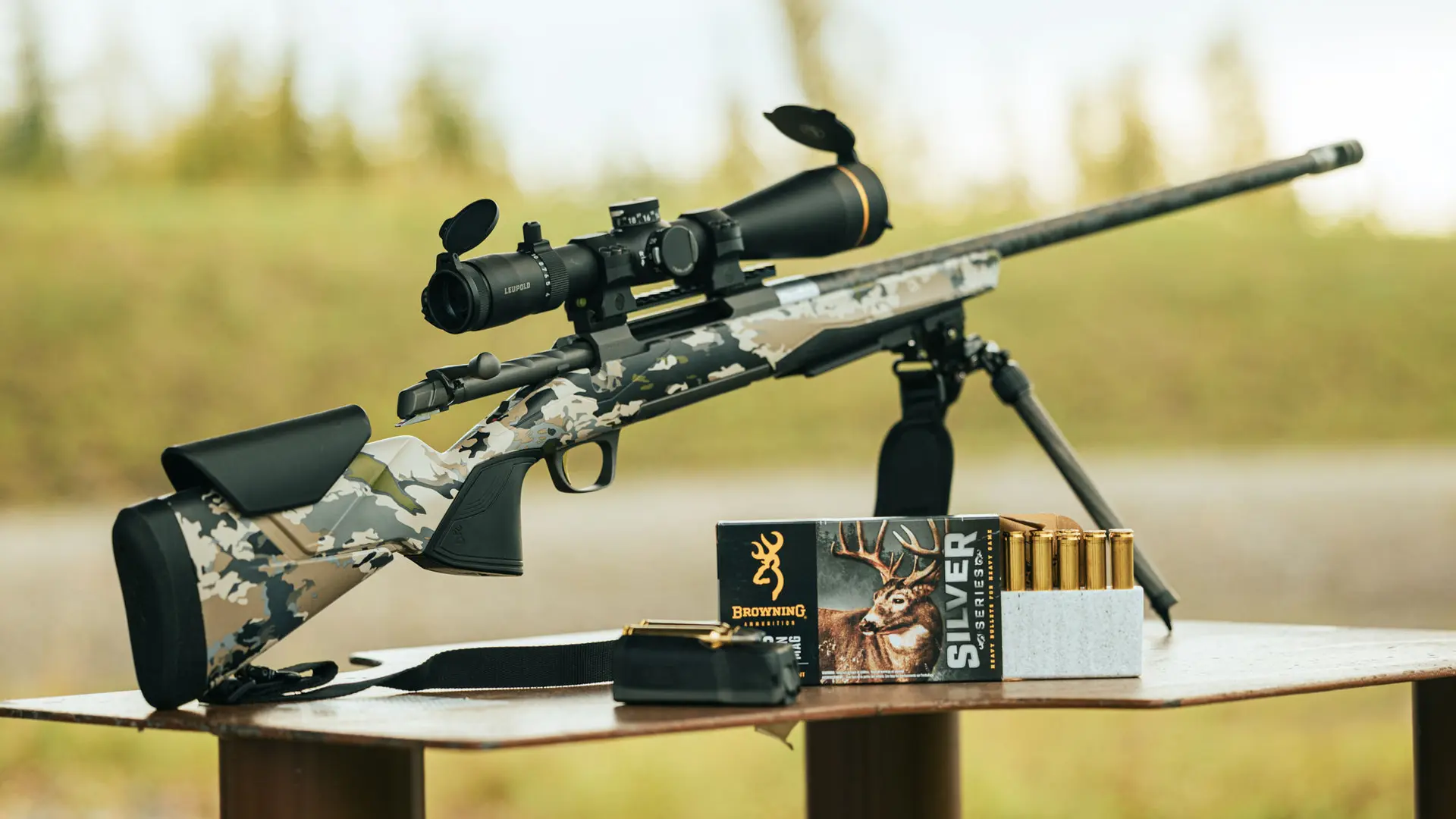
As good as modern-day rifles, scopes, and ammo are, you don’t want to leave anything to chance. I’m currently preparing for a prime September elk hunt with my Browning X-Bolt 2 Speed chambered in 6.8 Western. This isn’t my first rodeo with this rifle. The two of us get along famously, and I’ve used the smooth, accurate bolt-action to harvest animals on multiple continents. Still, last week, I went to the range with my shooting bags and confirmed zero on a bench.
Here’s what that session looked like:
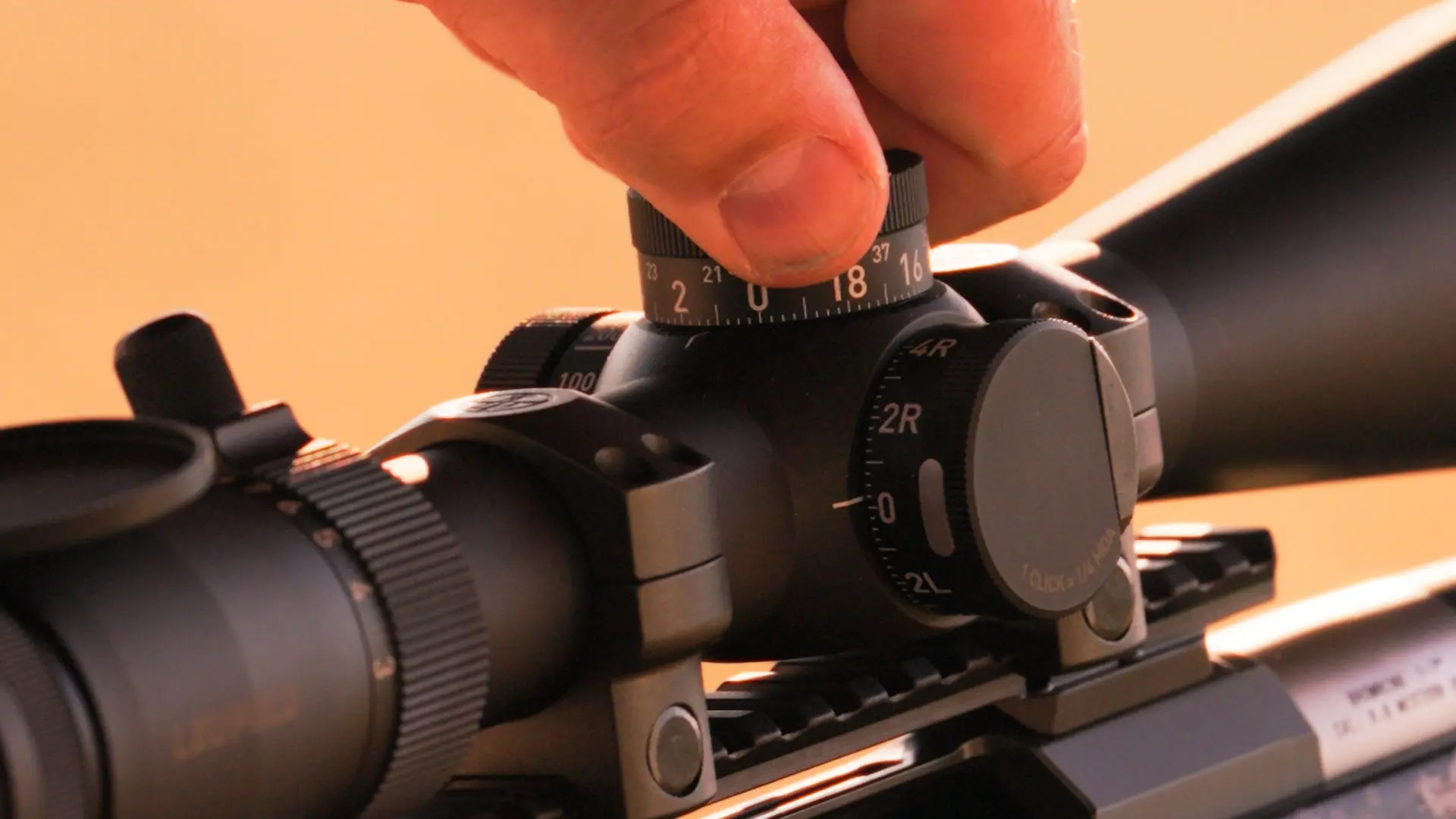
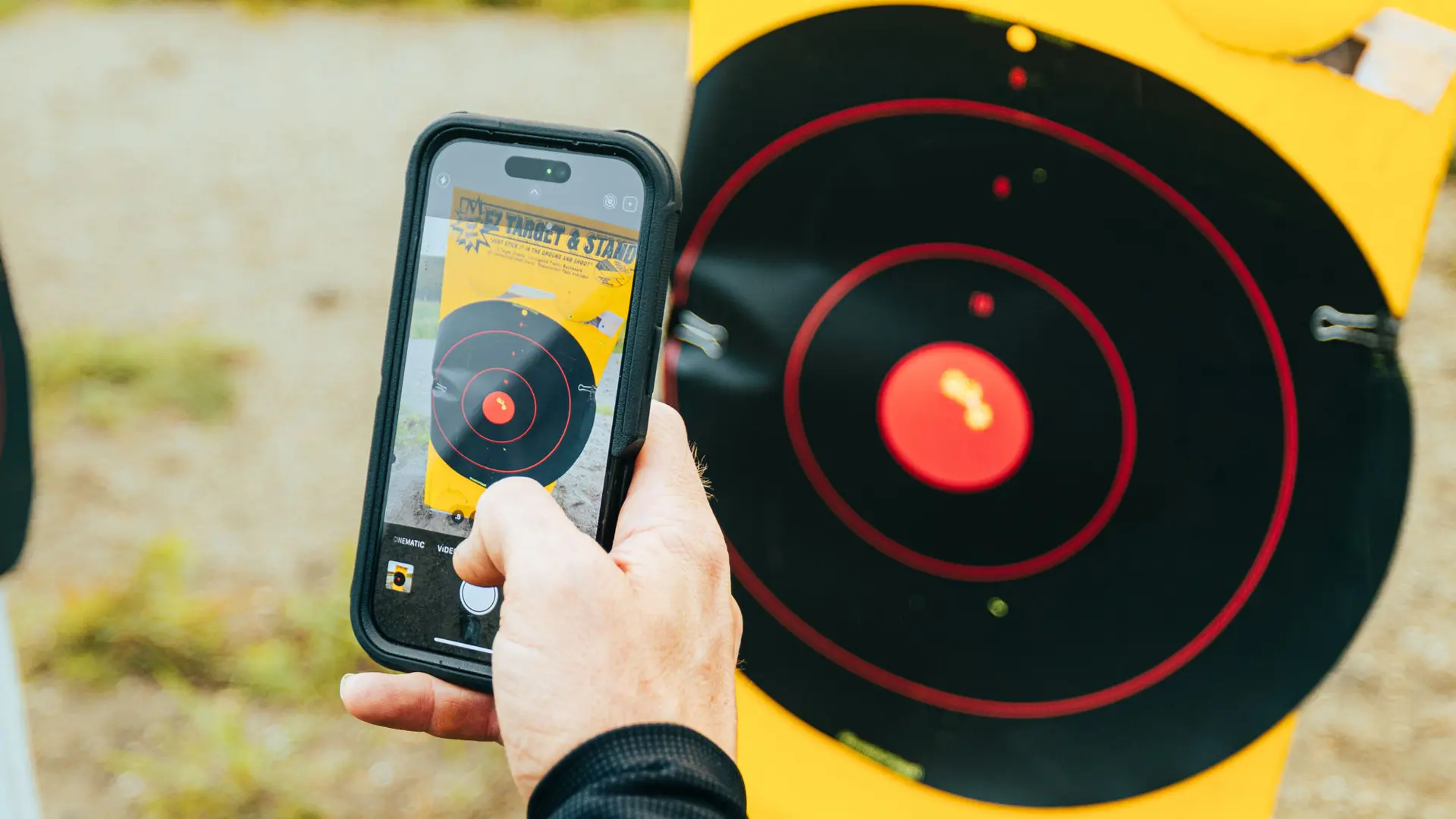
One shot cold bore from 100 yards with three follow-up shots. A slight elevation adjustment was needed, as was a minor windage tweak. I like to shoot, and I believe in tackling one issue at a time. A quick elevation turret change put me dead-on at 100 yards. My next four-shot group was sub-MOA, 1/2-inch left of the bullseye. I tackled windage next. After adjusting my windage turret, I gave the barrel adequate time to cool — summertime conditions are hot in southeast Colorado — and then sent another four rounds. At this point, I was 12 shots in, but I could cover my four-shot group with a 50-cent piece.
Overkill? I don’t think so. As I noted, I like to shoot. Shooting builds confidence. Ammo is not cheap; however, what is the price of missing or, worse yet, wounding an animal on a hunt? The more you shoot, and more importantly, shoot accurately, the more confidence you gain. In hunting, confidence is everything. You can make all the right moves and have all the right gear, but if you can’t execute, it will all be for naught.
Next, I moved to 200 yards and shot another four-shot group. I followed this with four-shot groups from 300 and 400 yards. My goal: Confirm that my elevation dial was still accurate. In total, I shot 24 rounds.
Practice How You Plan to Play
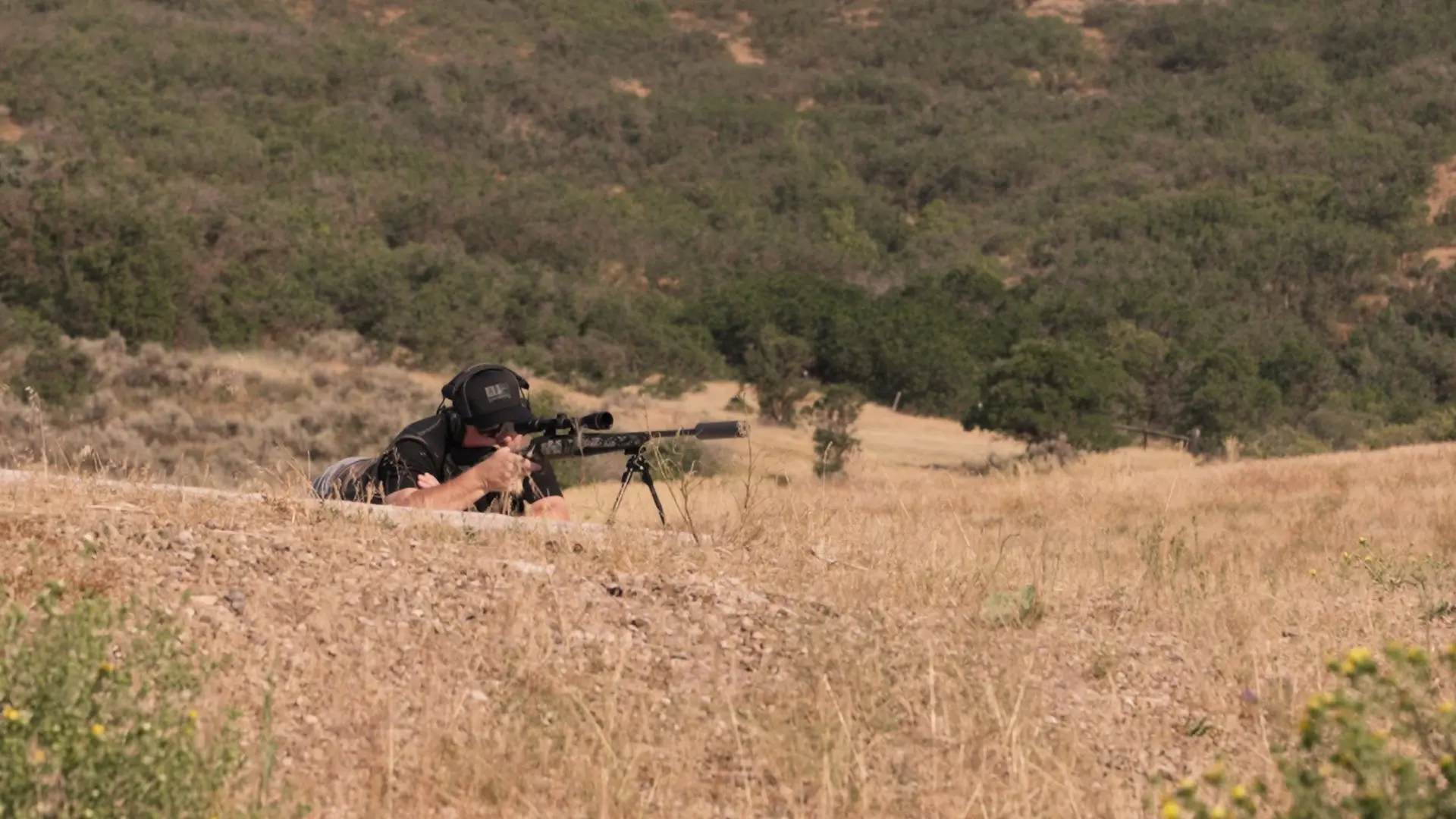
I’ve never shot an animal from a bench. I have shot elk and other big-game animals off-hand, kneeling, from shooting sticks while standing and kneeling, and prone. That’s why my next practice session involved four shot groups between 300 and 600 yards prone using a backpack, prone using a bipod, and kneeling using a tripod. That day, I shot another box of ammunition.
Two days later, I practiced off-hand and kneeling shots, using my left knee to balance my rifle. I also shot three times using a crook in a tree as my rest. You get the idea.
Browning’s 6.8 Western Long Range Pro Hunter 175-grain ammo is my go-to. That’s what I practice with. I never practice with a load I’m not going to hunt with. This ammunition costs between $52 and $65 per box of 20. After three days of practice, I’d gone through three boxes of ammo. My buddies have told me I can “blow” $180 of ammo better than anyone. I agree. Well, all except the “blowing” it part. Practice with your rifle, scope, and ammo combination is an investment in your time and in your hunt. Shooting helps you iron out inconsistencies in your form and, again, builds confidence. When I earn my opportunity at my September bull, I want to know, not hope, that if I do my job and execute, my rifle, optic, and ammo combo will perform with zero glitches. You should do everything in your power to discover and resolve any issues before you step into the field.
Cleaning My X-Bolt 2 Speed
I’ve been blessed. I know, shoot, and hunt with some of the best hunters and gun writers in the business. I’m not a gun writer. I’m a hunter. Results in the field are all that matter to me. When it comes to rifle cleaning, too many great hunters and gun writers have told me they don’t clean their hunting rifle until they start seeing their groups widen. I follow this advice. If part of your pre-season shooting ritual is to give your favorite Browning rifle a good cleaning before you head to the range, that’s fine. Personally, I let my rifle tell me when it needs cleaned. Of course, I do general maintenance.
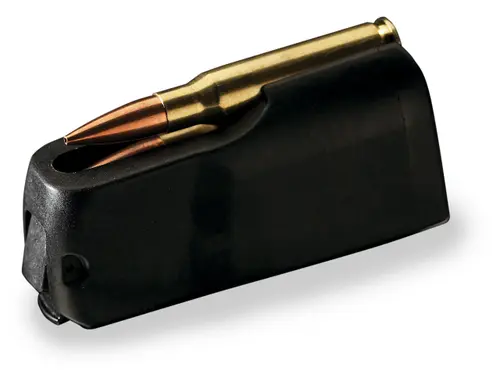
I wipe the gun down, pull and clean the bolt, and make sure the magazine ejects and seats properly. Aside from that, I don’t clean my barrel until it tells me to. My last group on day two at the range was from 600 yards. The wind was blowing 10-12 miles per hour from east to west, creating a crosswind. I was prone, using a bipod, and my X-Bolt 2 Speed punched four holes that fit inside a 3.5-inch diameter circle. I know some shooters and hunters can do better. For me, putting four rounds from 600 yards into a 3.5-inch circle in a stiff wind tells me that my September bull should be in serious trouble if I can find the animal I’m looking for.
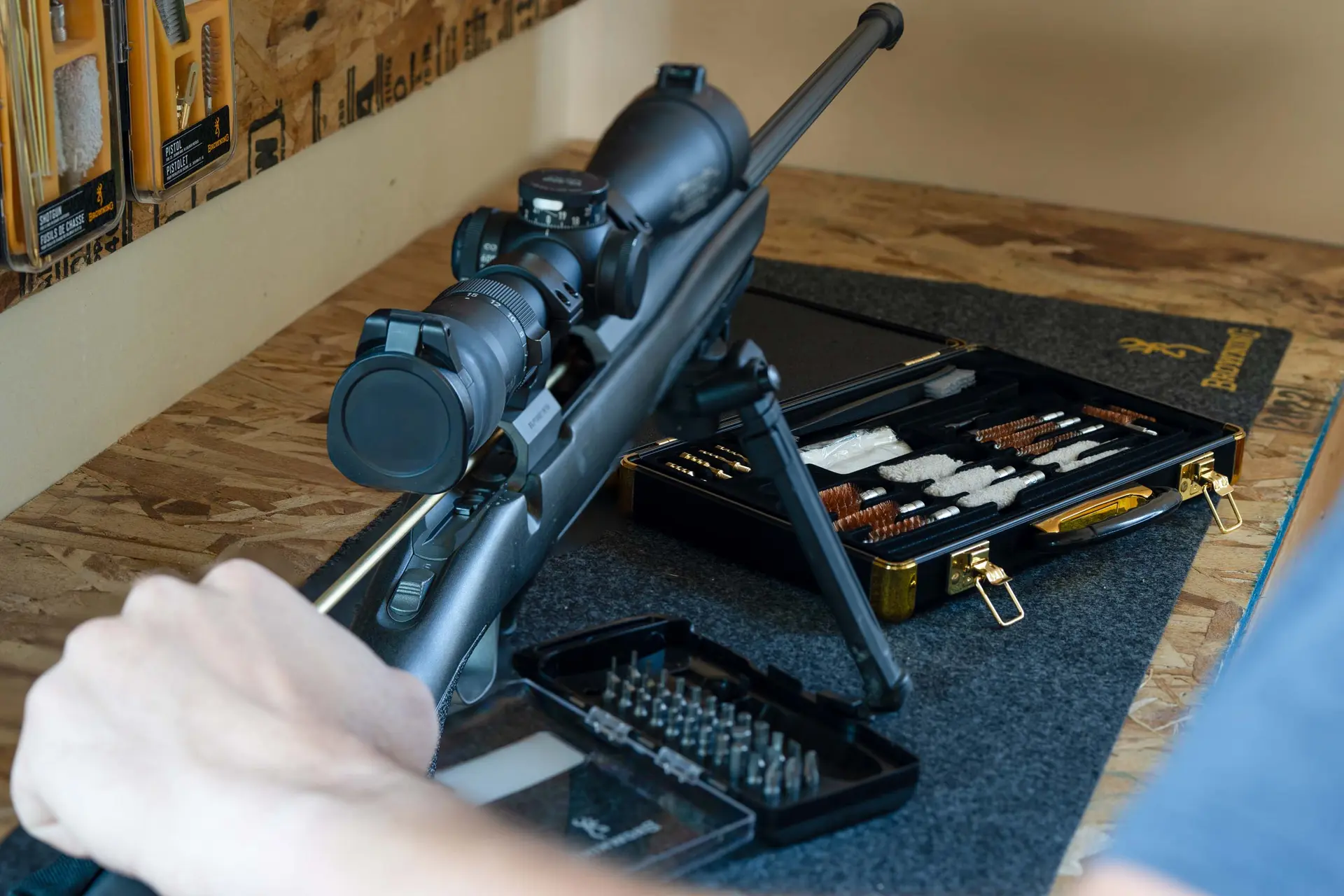
If you do decide to clean your rifle, these basic steps are a good guide:
Before starting, remember to always keep the muzzle pointed in a safe direction, ensure your rifle is completely unloaded, and the safety is in the on safe position. Remove the bolt and magazine and place your rifle into a padded gun vise. There are plenty of good ones on the market. Next, add a bore guide to ensure your rod and patches slide seamlessly into the bore.
Next, select the jag designed for your caliber, add a patch, and coat it with a quality gun cleaning solvent. Solvents break down carbon, powder, residue, and copper or lead fouling.
Push the rod with the saturated patch through the bore, down the barrel, and out the muzzle. Do not pull it back through. Remove the dirty patch, slowly retrieve your rod, add another saturated patch, and repeat.
I prefer to wait a few minutes for the solvent to do its job. Then, I remove the jag and add a caliber-specific phosphor bronze brush. Some prefer a softer nylon brush, but I’ve had great luck with bronze. Run the brush from the bore end out the muzzle. I don’t like to do this more than twice.
Now remove the brush, add the jag, and run dry patches through the bore and out the muzzle until they are nearly clean. This may take some time. I only add oil to a patch and send it through the barrel if I plan to store the firearm.
My last step is to go to the range and foul the barrel. I shoot three shots, and my second and third shots are typically right on the money. The rifle is now clean, the barrel is fouled, and I'm ready to roll.
Final Pre-Season Rifle Prep
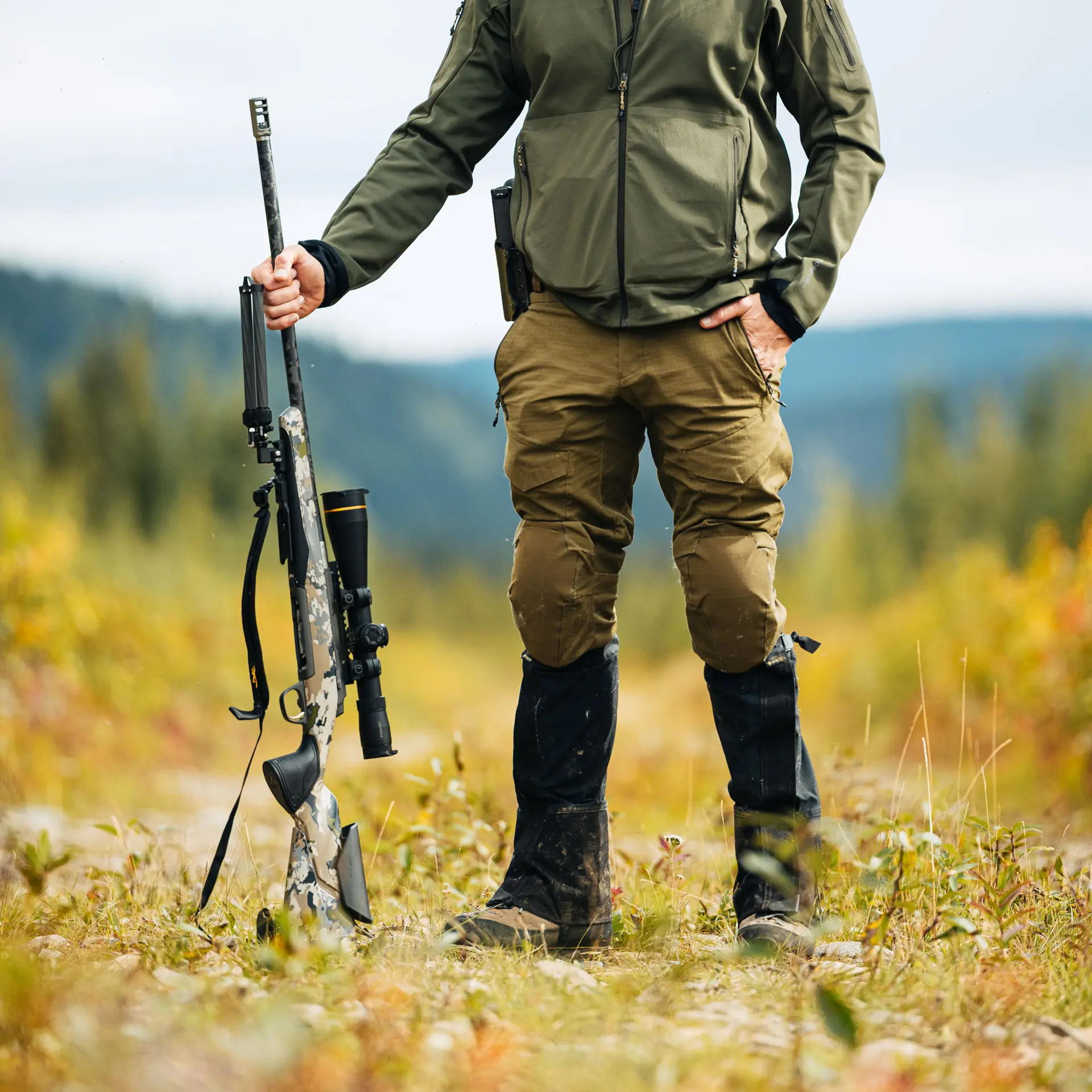
A few days before the season, I return to the range. I don’t use a bench because I won’t have one in the field. I typically shoot a cold bore shot prone from 100 yards and wait for the barrel to cool fully. Next, I shoot a 200-yard cold-bore shot. Again, I wait for the barrel to cool down. Lastly, I shoot a 300-yard shot. That’s it.
Did I burn some ammo? Yes. Was it worth it? Yes. This is my system. Systems produce results. Your system doesn’t have to match mine, but pre-season rifle prep is a must, and now is the time.