Long-Range Hunting: Practice, Judgment, NRL Hunter Matches, and the Right Rifle
Jace Bauserman Published on September 25, 2026
“400 yards is no problem.” That was my buddy’s response when I asked him how comfortable he felt taking a far shot on an elk. I nodded. The landscape was open — dotted with cedar and sage — and I knew the shot would likely be beyond 300 yards.
The stalk was perfect, and the 300-plus-inch bull was bumping cows around the sage flat, screaming at the top of his lungs. My buddy sat with a backrest, and I put a pack under his elbow for support. He was basically shooting off a bench. The distance was 390 yards. He didn’t take the shot.
Why?
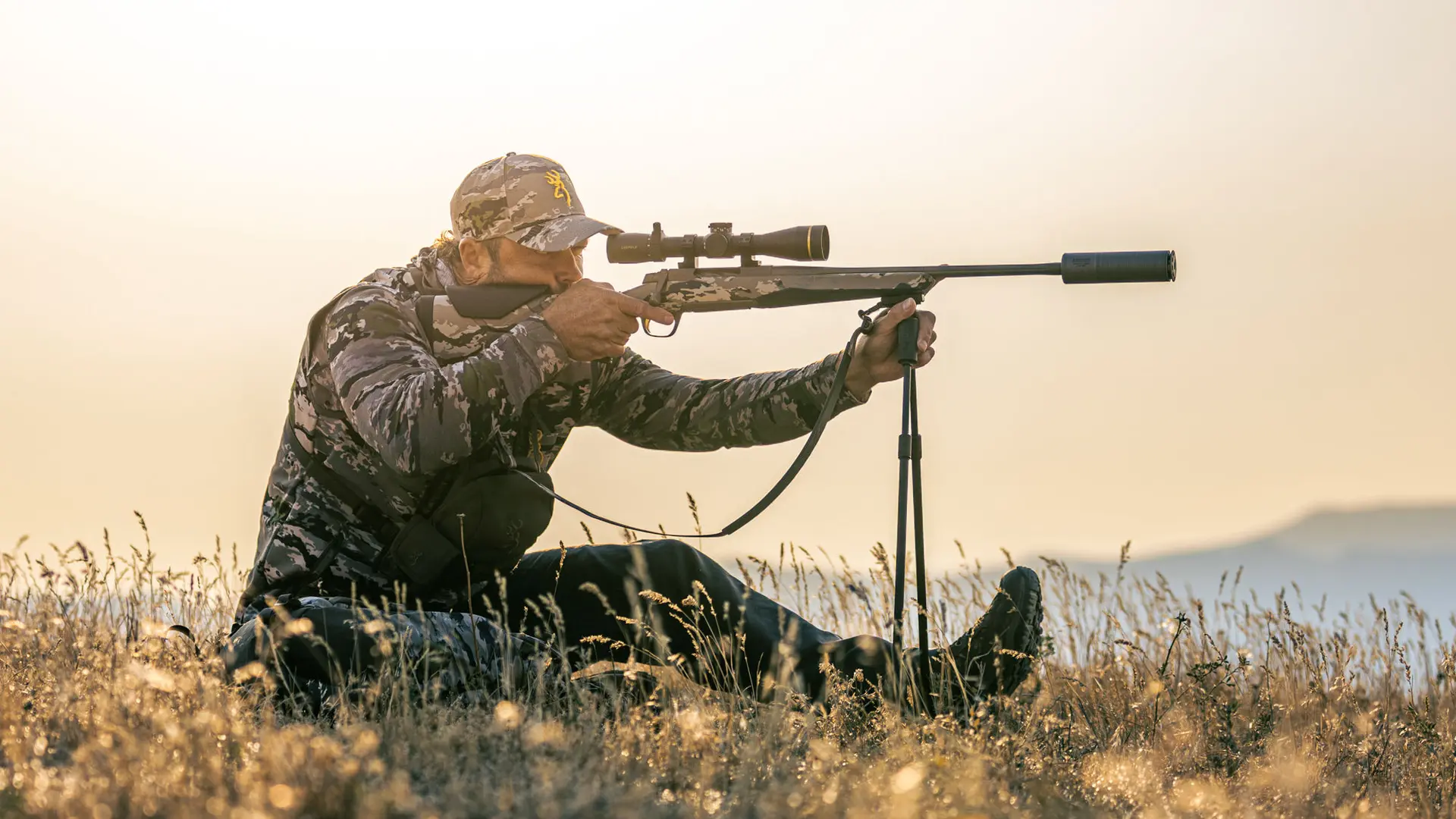
Because 400 yards was his maximum effective distance on the range; he’d never shot farther and had never taken a 400-yard shot under pressure. When you’re at the range shooting off a bench or prone, 400 yards doesn’t feel too far. You’re typically by yourself, and your heart isn’t in your throat. When you settle your crosshairs on an animal at 400 yards, there is pressure. There is open space above the animal’s back and below its belly. There isn’t a massive backstop.
Most hunters will tell you they’re comfortable from 400 yards because that’s the furthest distance they’ve tested their rifle/ammo/optic combo. For others, 400 yards is a nice even number. Not too short, not too far. It’s a distance that gets thrown around like a badge of honor.
The truth is that most long-range shooting instructors will tell you that 400 yards is considered long range. I agree. When I think of four football fields stacked goal line to goal line, the distance seems far.
Get A Long-Range Rifle
I’m not a long-range hunter. My goal is always to get as close as possible to the animal that I’m hunting. Still, there are times and situations, mostly based on the landscape or wariness of the game, that create a long-shot situation. When those moments arise, I want to know that I can put a well-placed bullet into the animal's vitals.
That was the case in South Africa as the sun set on our final evening. It had been an amazing hunt. I harvested nine big-game animals. However, my number one target, the red hartebeest, eluded me.
“We can’t get any closer,” PH Charl Roux told me. The range was 568 yards. The massive red hartebeest bull was quartering toward me. I was prone, my Browning X-Bolt 2 Pro McMillan SPR Carbon Fiber was pressed into my backpack. When the trigger broke, the 190-grain bullet hit with a hollow wallop that echoed down the canyon. The big bull staggered, stumbled, and then fell to the earth. The shot was long, and the animal’s body position shrank its vitals, but I felt fully confident. I’d spent months sending Winchester’s AccuBond LR bullet between 200 and 1,000 yards. I’d shot groups off a bench, prone, on my butt using shooting sticks, etc.
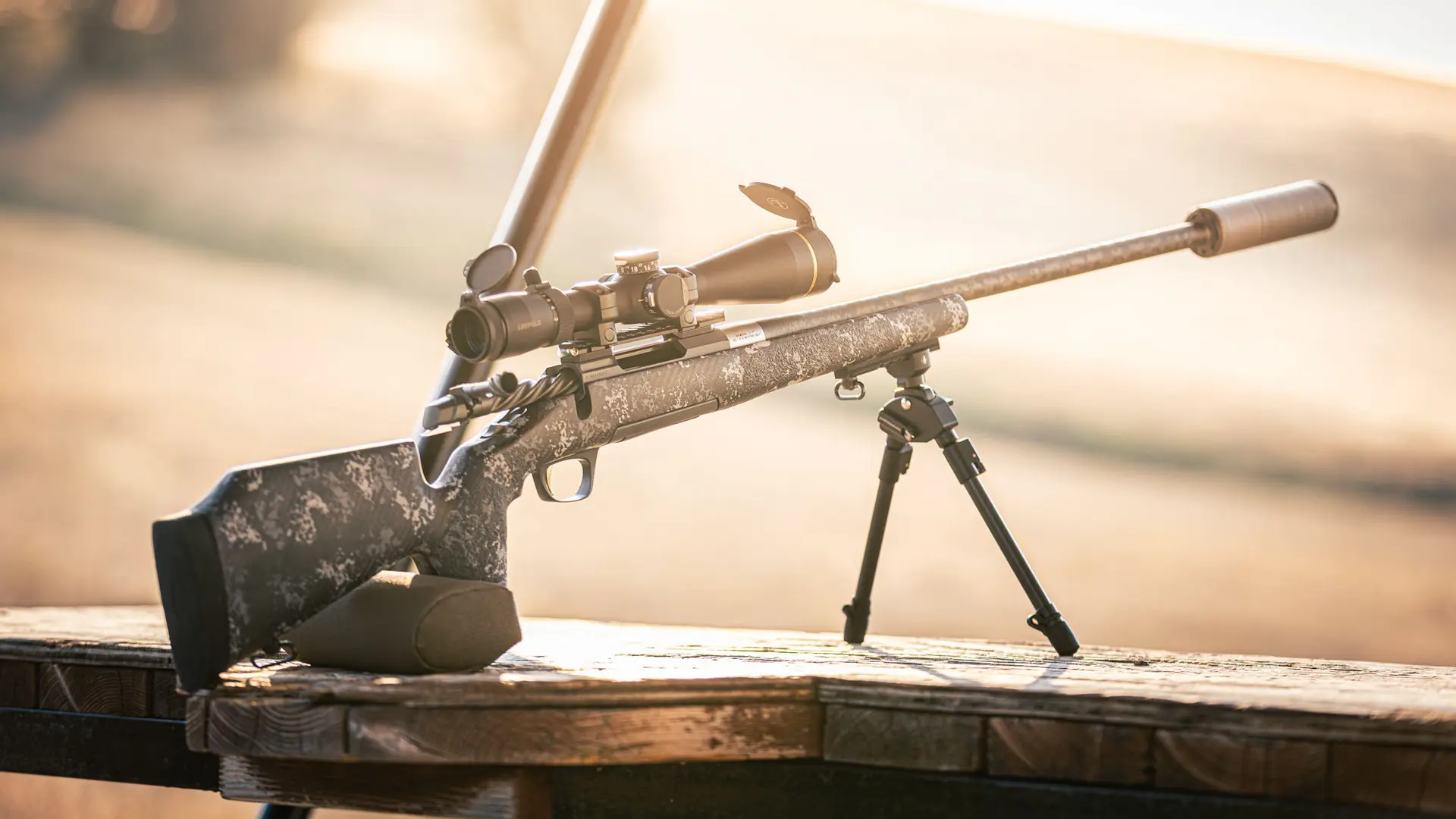
Browning’s X-Bolt 2 Pro McMillan SPR Carbon Fiber is the top of the X-Bolt 2 heap. Chambered in .300 Win. Mag., one of the most popular long-range calibers ever, the McMillan Game Warden 2.0 carbon fiber stock is an engineering win. The stock bridges the gap between a lightweight hunting stock and a precision, ergonomic platform. For me, the stock’s tall comb provided immediate eye-to-optic alignment. I could find animals quickly, and because the stock boosts overall stability, I felt balanced even with the shortened 22-inch barrel. Browning shortened the barrel so hunters/shooters can add a suppressor and still have a standard-length rifle barrel. I opted not to tote a suppressor to the Dark Continent, and during a pre-hunt practice session, I clanged steel twice from 700 yards with plenty of eyeballs on me. This rifle, with the adjustable DLX Trigger System and carbon-fiber-wrapped stainless-steel barrel with a threaded muzzle, is built to hunt.
The following year, I made another long-range shot on a bull elk. Again, light was fading, and the distance between the cap rock I was lying prone on and the cap rock the bull was standing under was 667 yards. Between was nothing but open space. The 300-foot-deep canyon made an approach impossible, and with less than 20 minutes of legal light remaining, I decided to take the shot.
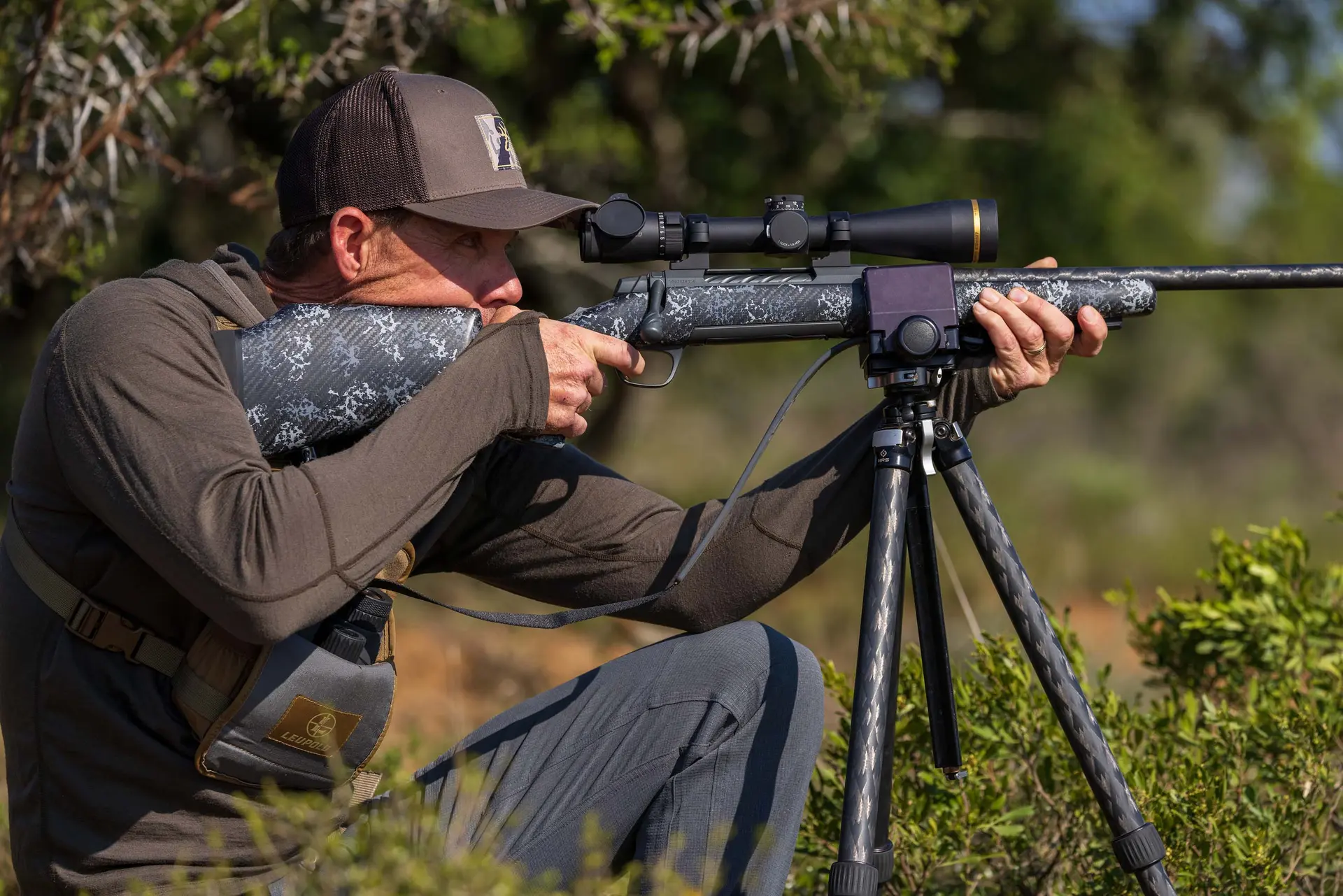
Again, I was prone, as I feel a person should be when shooting beyond 500 yards. My rifle was a Browning X-Bolt 2 Western Hunter LR, chambered in 6.8 Western. Every hunter has their favorite go-to rifle. This one is mine.
As was the case with my Pro McMillan, I spent lots of time at the range with this rifle. I’d shot five- and eight-shot groups to 700 yards and rang steel gongs out to 1,100 yards. My confidence in the rifle was high, and earlier that spring, I’d knocked a Southeastern Spanish ibex off its feet just from 378 yards using the Western Hunter LR.
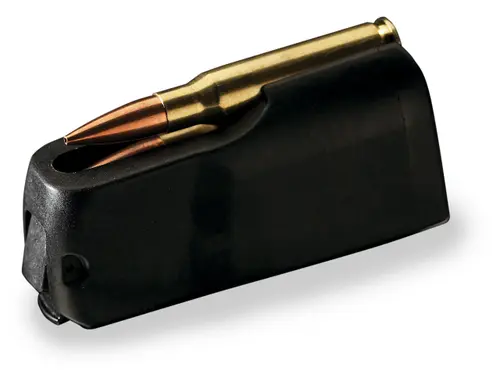
Built for long-range success, the bolt-action features Browning’s three-position adjustable Vari-Tech stock. The stock allows for comb height, length of pull adjustment, and comes with Browning’s sporter and vertical grips. The tried-and-true sporter-contour barrels run 2 inches longer than standard lengths to generate more speed and improve downrange accuracy. The action is bedded, and the barrel is free-floated — two more accuracy-enhancing benefits. The Western Hunter LR comes with Browning’s Plus Magazine, an extended single-stack mag that holds five or six rounds depending on the cartridge. This is great for extended practice sessions. Best of all, the 26-inch barrel bolt-action in 6.8 Western weighs under eight pounds.
Other excellent long-range offerings from Browning include the X-Bolt 2 Special Max LR, X-Bolt 2 Speed LR, X-Bolt 2 McMillian Pro LR, and X-Bolt 2 Speed LR Carbon Fiber.
Practice For Long Range Hunting Shots
Today’s rifle-mounted optics with adjustable turrets are amazing. However, a bulletproof app that tells you exactly where to dial your turret to, or a turret pre-cut to your rifle’s exact ballistics doesn’t make you a long-range big-game assassin.
What will?
Learning your rifle/ammo/optic combo and putting in purposeful time on the range simulating real-world hunting situations. Ammunition, especially in popular long-range calibers like .300 Win. Mag., 7mm PRC, 6.8 Western, .300 PRC, and others are expensive. Every shot you take on the range should have a purpose.
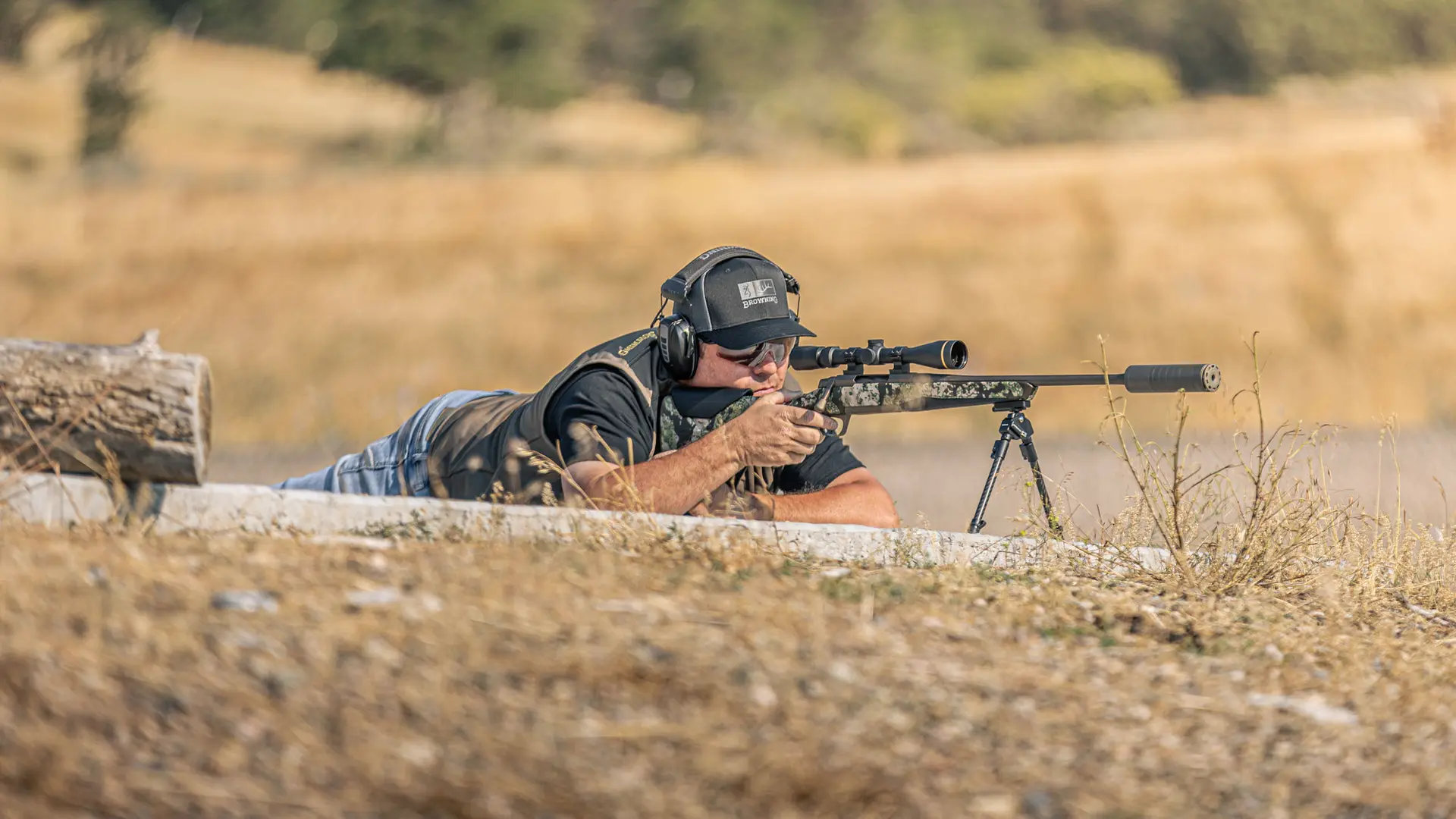
Once I zero my rifle, I spend very little time shooting groups. Instead, I spend time shooting prone with a rifle-mounted bipod, prone without a bipod, flat-on-my-butt using shooting sticks, etc. I focus on getting as many points of contact on the ground as possible, managing my breathing, and not wrapping my thumb over the stock’s throat. While this feels natural, it’s a terrible shooting habit. If you’re shooting a Browning X-Bolt 2, which features an easy-to-reach top-tang safety, your thumb should lie flat next to the side of the safety. It’s a habit that’s been difficult for me to break, and inside 400 yards I don’t notice a big difference. Beyond 400 yards, that thumb wrap negatively affects accuracy.
I spend time shooting small steel gongs and animal targets situated at every angle possible. I learn my wind holds and journal about every practice session at the range.
Often, before I start shooting at the range and regularly at home with the chamber clear and the magazine removed, I practice my shooting routine. Dry-fire practice WILL make you a better long-range shooter.
Enter an NRL Hunter Match
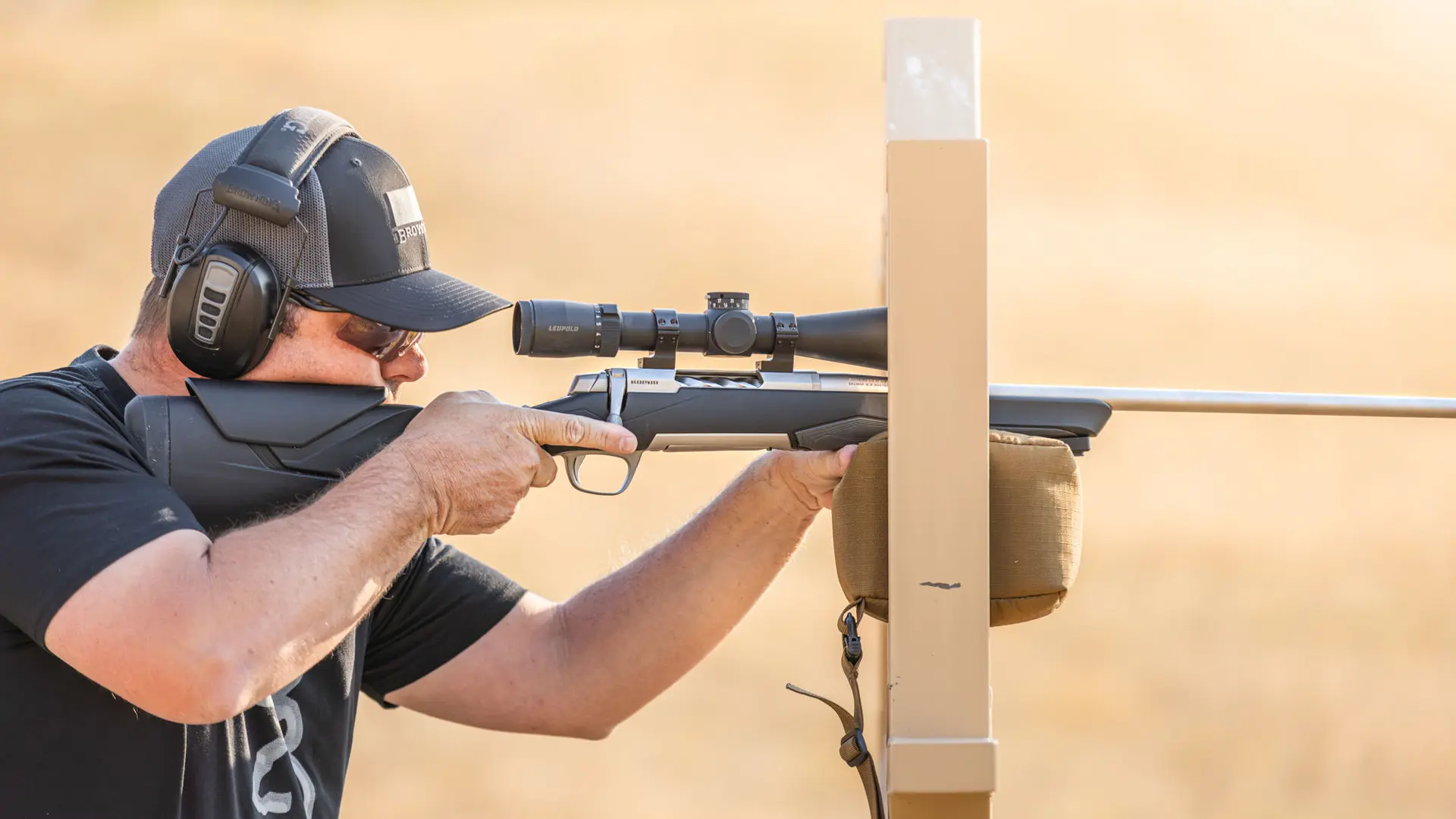
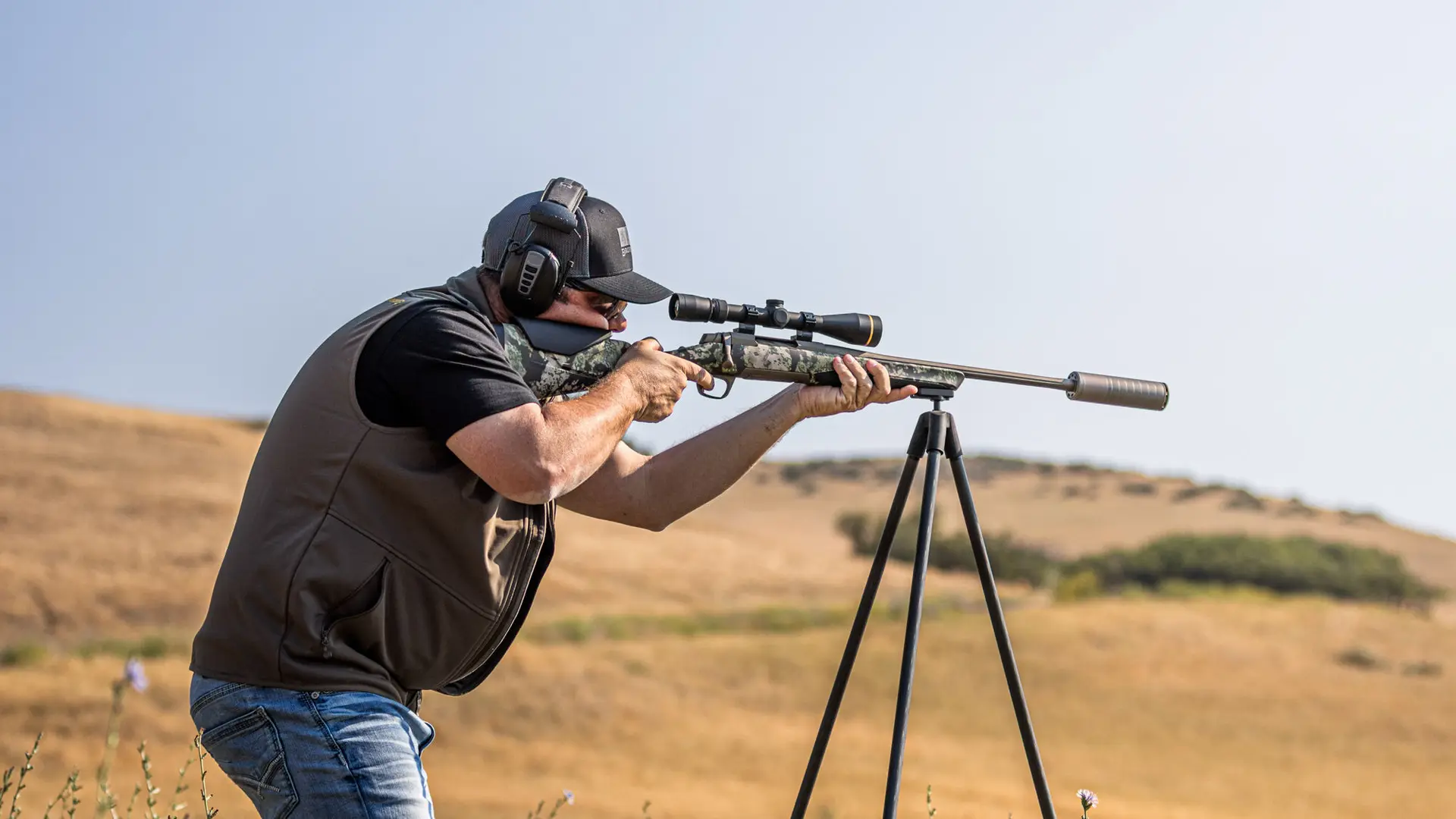
If you want to discover how you’ll perform with a hunting rifle under pressure, enter an NRL Hunter match. These matches use realistic field positions, natural terrain, and targets placed at varying distances. You may shoot from a pack, tripod, barricade, or improvised rest — much like you would during an actual hunt.
The pressure is real. Other shooters are watching, a score is being kept, and you have limited time to range the target, build a position, and make the shot. There’s no bench, no perfect rest, and no opportunity to fire another round if you miss casually. That pressure exposes weaknesses you might never notice during a quiet range session.
More importantly, NRL Hunter matches teach you to manage those weaknesses. You learn to move efficiently, confirm your dope, read wind, and make decisions quickly without rushing. You also learn when a position isn’t stable enough to shoot.
The experience can make you a calmer, more capable, and more honest long-range hunter.
Know When Not to Shoot
The final piece of long-range hunting is knowing when to pass. A rifle, optic, and ammunition combination can be capable of making a clean hit at 800 yards, but that doesn’t mean every 800-yard opportunity is a good one. Distance is only one part of the equation. Wind, angle, animal movement, available rest, light, temperature, and your own heart rate all matter.
I use a simple rule: If I can’t explain exactly where the bullet will go and why, I don’t shoot. That means I need a reliable range, a verified ballistic solution, a steady position, and a clear understanding of the wind between the animal and me. I also need enough time to build my position, confirm my dope, and watch the animal’s behavior. If the bull takes one step, turns, or disappears behind the brush, I’m ready to come off the rifle and start over.
A rangefinder can tell you the distance, but it can’t tell you whether you’re capable of making the shot that day. Neither can a ballistic app. That decision belongs to the shooter.
One of the best drills I’ve found is to set a time limit before beginning a practice shot. Start from a natural position, find the target, range it, dial or hold, and fire only after you’ve settled your breathing. If the shot doesn’t break before the timer expires, lower the rifle and reset. This teaches you to work efficiently without rushing.
Long-range hunting isn’t about proving how far you can shoot. It’s about having enough skill and discipline to recognize the difference between a challenging opportunity and a reckless one. That judgment is what turns practice into ethical hunting.
Final Thoughts
Long-range hunting isn’t about chasing distance. It’s about preparation, discipline, and knowing exactly what you and your rifle can do when the pressure is on. A rifle that shoots tight groups is only the beginning. You must practice from realistic positions, understand your ammunition trajectory, read the wind, and remain honest about your ability.
Sometimes, the right decision is to wait. Sometimes, it’s to close the distance. And sometimes, the opportunity disappears altogether. That’s hunting.
When the conditions are right, and you’ve done the work, a long shot can be both ethical and rewarding. But confidence should never come from a range number alone. It should come from countless purposeful shots, sound judgment, and the discipline to pass when the odds aren’t in your favor.