What is the Difference Between a Sporting Clays Gun and a Trap Gun?
Published on July 14, 2026 by Browning Staff
My dad didn’t hunt, and aside from the school of hard knocks, I had no shooting mentor. All I knew was I loved to hunt, and the more I shot my pump-action 12-gauge at upland and waterfowl, the more lethal I became. I considered myself a great shot.
I took that pump-action to the local gun club to shoot trap, skeet, and sporting clays and I quickly learned that I wasn’t nearly as good as I thought. I also learned that shotgunners swinging models crafted for their particular discipline had a distinct advantage. In short, I got destroyed!
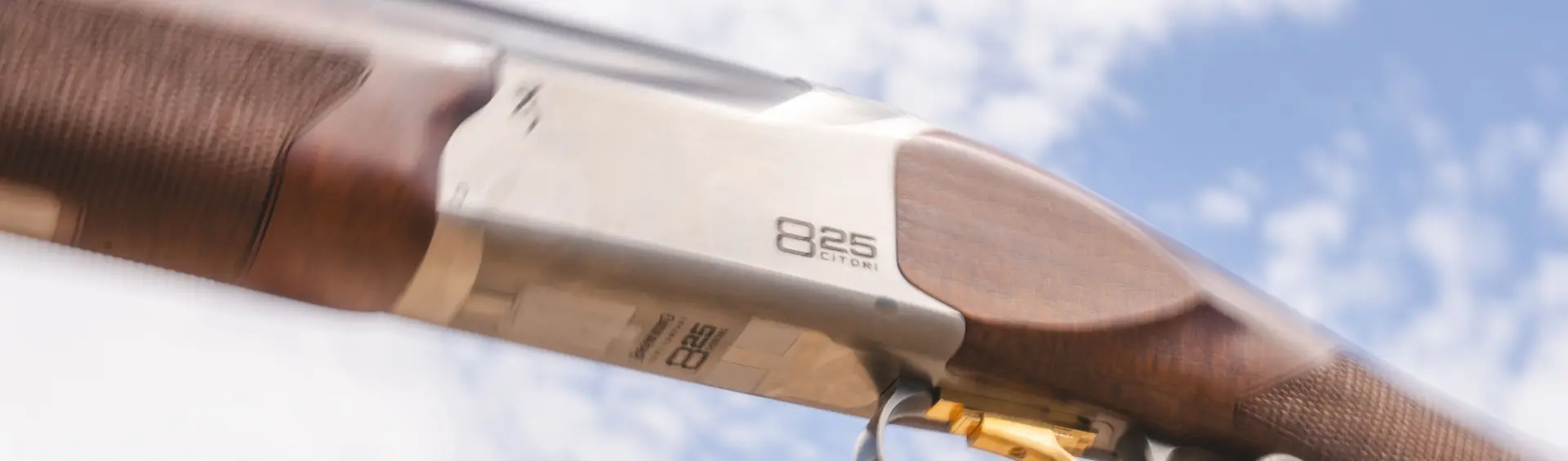
One gentleman, probably in his early 40s, was dominating the trap course. When the game changed to sporting clays, he walked to his SUV and emerged with a different shotgun — still an over/under — but there were noticeable differences between the two shotguns.
If you’re already a bonafide clay buster, you know how much a shotgun specifically designed for a particular clay discipline matters. If you’re a rookie like I was, you may be asking yourself: What is trap, and what is sporting clays, and why are there different shotguns for each?
What Is Trap?
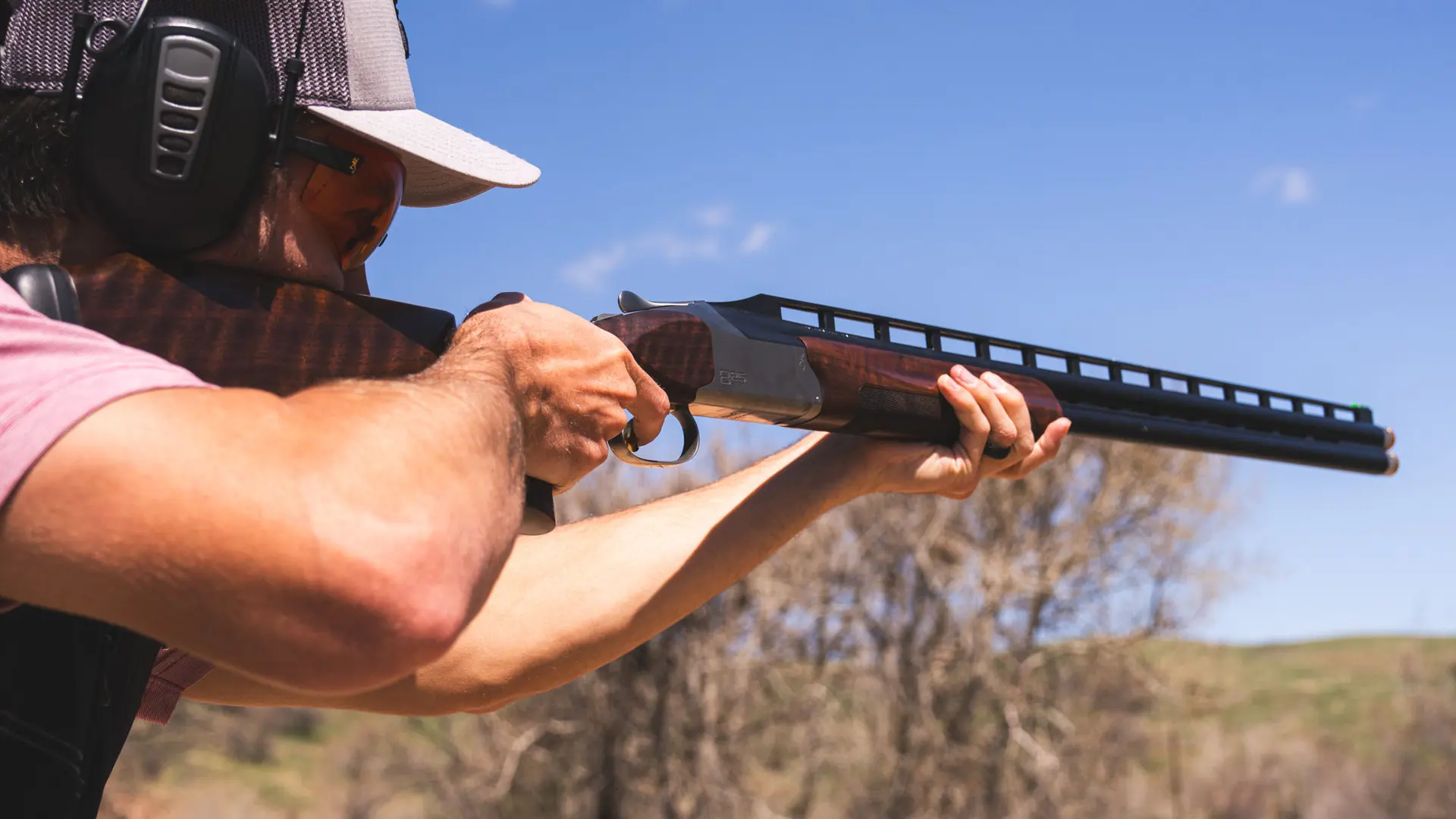
Trap is the oldest of the clay target games. In trap, a single target is launched away from the shooter. The target appears from a low house that is situated about 16 yards in front of the shooter. The challenge in trap is to read the rise and speed of the bird, mount the gun smoothly, and break the bird cleanly as it accelerates up and away. In trap, you rotate through five stations, each offering a slightly different angle to keep you honest. Scoring is brutally simple: Hit or miss. The margin for error is tiny. That first day at the club, I discovered how much gun fit, balance, and a discipline-specific swing matter when everything else is pure repetition and reflex. Trap humbled me and taught me patience.
What Is Sporting Clays?
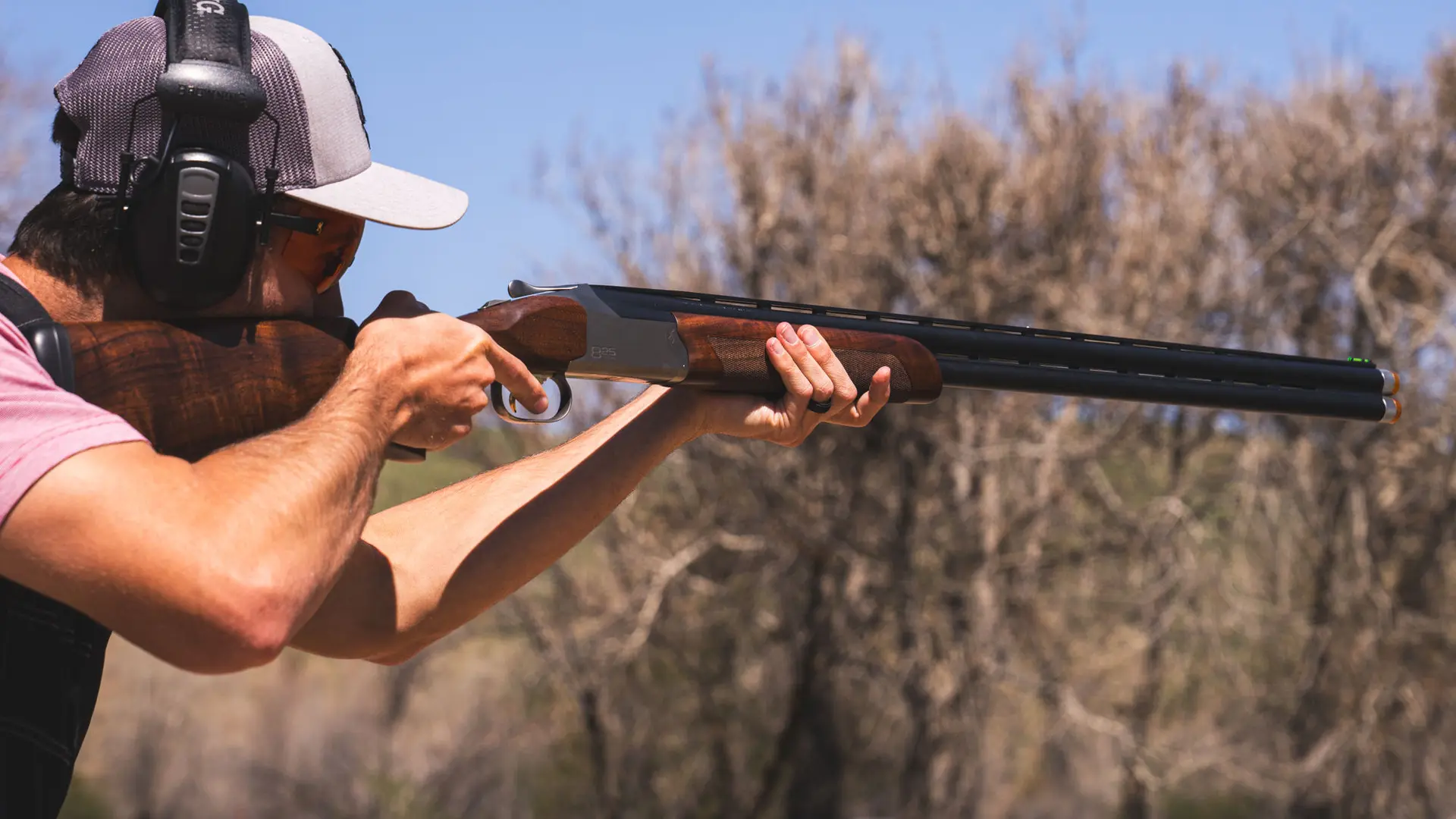
Sporting clays is the closest simulation to hunting. Targets are thrown from numerous stands along the course, each presenting unique angles, elevations, and presentations. Some shots may be high and going away over trees, low across a ditch, rabbits skimming the grass, or coming at you low and fast. You move from stand to stand in pairs or small groups, calling for targets and adjusting quickly to the next challenge. Sporting Clays is as much about reading terrain and target behavior as it is about pure gun mount and lead. The shotguns I’d seen swapped at the club made sense here: A gun balanced for those sudden upland crosses, with choke choices and stock tuned to the shooter, makes it easier to repeat good swings. Sporting clays taught me to be adaptable.
What Is The Differance Between A Trap Gun & A Sporting Clays Gun?
Trap guns are made to point-and-hold at rising targets that move away from you. These models are often longer in barrel length — think 30–34 inches — giving a longer sighting plane and steadier swing. Because targets move away fast and in a predictable 44-degree arc, chokes tend to be tighter (full or light full) so you can reach out and make clean breaks at distance. Trap guns are usually a touch heavier up front; that forward mass steadies the barrel, aids pull through and reduces muzzle jump when you’re holding on a long lead. Stocks are often built with a higher comb and slightly longer length of pull, placing your eye naturally on the top of the rib.
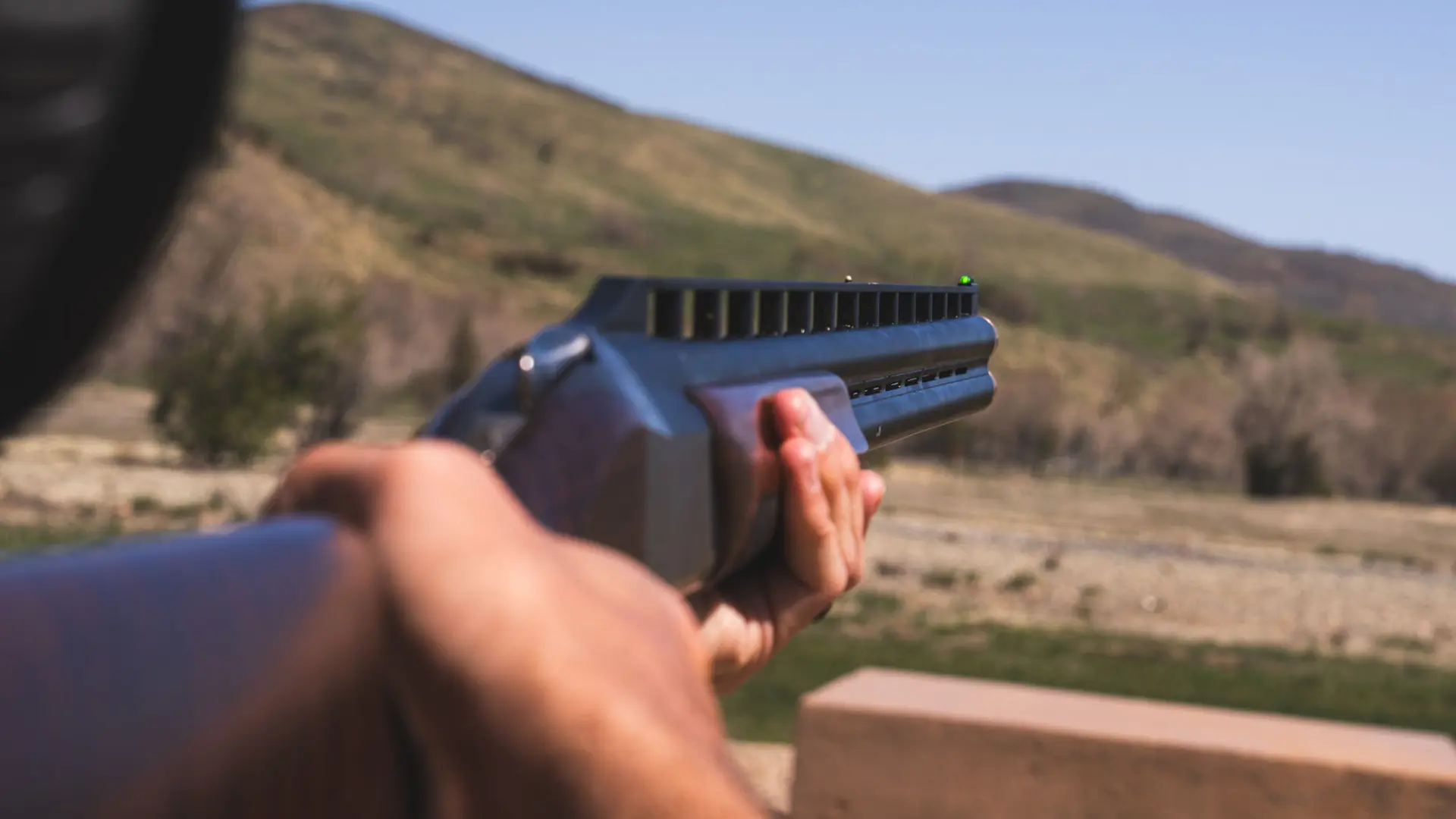
Sporting clays is the opposite of trap: dynamic, unpredictable, and mimicking hunting. Sporting guns are all about quick mounts, snap swings, and instant recovery at a second target coming from a different direction. Barrel lengths are commonly shorter (28–32 inches) to free the muzzle for faster tracking. Choke choices are more varied: skeet, improved cylinder, and modified. Balance is more centered or even slightly rearward compared to trap guns, so the gun feels lighter in the hands and comes on target faster.
Stock geometry is a big deal. Trap shooters want repeatable points for long holds, so comb height, cast, and drop are tuned for that locked-in feel. Sporting clays shooters need a neutral, quick-to-mount fit that won’t snag when you must shoulder and swing through odd target presentations.
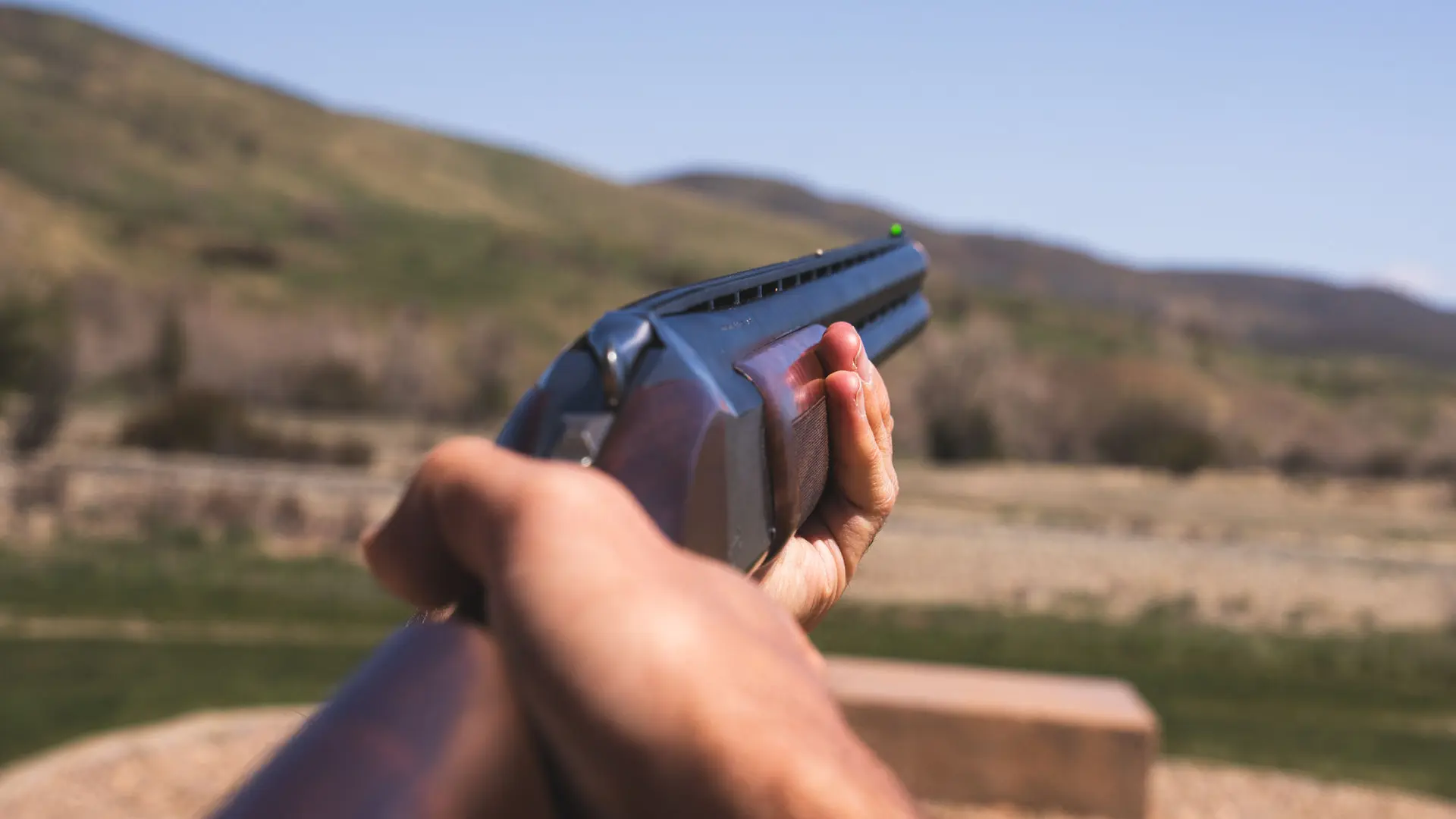
Point of Impact (POI) also varies between trap and sporting clays shotguns. Most trap guns, especially those from Browning, have a 70/30 POI. This means 70 percent of the shot pattern is landing above the shooter’s line of sight. Trap shotguns are engineered to float the bird above the rib, a design that keeps the rising clay target in sight as it leaves the trap house.
Sporting Clay shotguns tend to have a 50/50 POI. This is ideal for the diverse range of target presentations competitors will encounter when moving through a sporting clay course. Most hunters want a 50/50 POI that puts 50 percent of the pattern above the shooter’s line of sight and 50 percent below it. For this reason, many sporting clay guns make excellent crossover field guns.
If you spend most of your time on a trap field, you want a longer, heavier, steadier gun built to hold on rising birds. If you chase sporting clays, you want a nimble, balanced gun that lets you mount fast, swing freely, and digest wildly different presentations.
Browning Citori 825 Trap
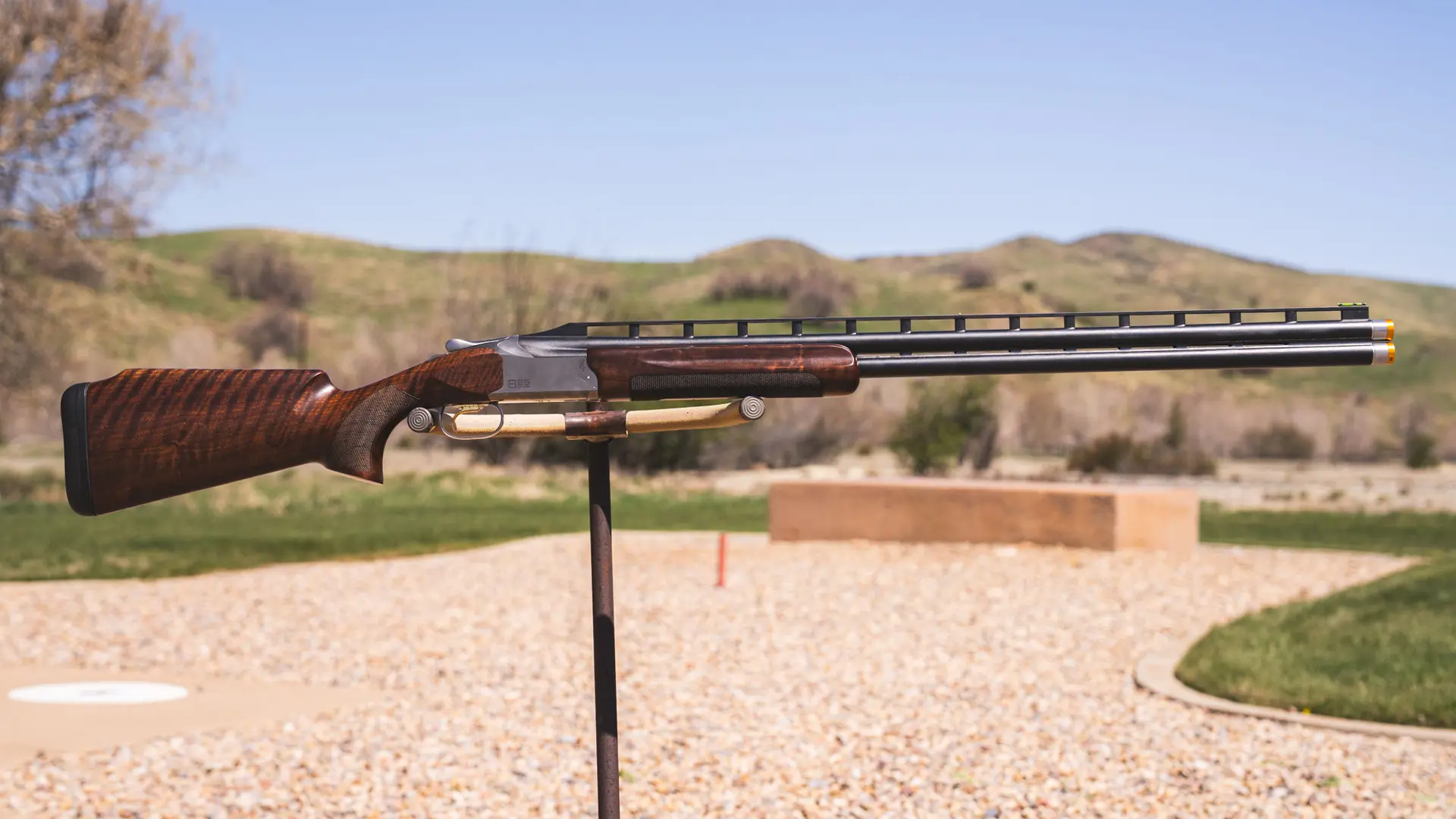
Available in 30- and 32-inch barrel options in 12-gauge, Browning’s Citori 825 Trap is an excellent choice for those looking to crack more clays without dropping a mint. Browning makes remarkable shotguns, and the 825 Trap is favored by many.
The Citori 825 Trap does a lot of things well, but the first time you shoulder it, you’ll notice how steady it holds on a rising bird. The raised Monte Carlo comb aids in correct eye-to-rib placement, and the wide rib with HiViz Pro-Comp front sight promises a consistent, repeatable sight picture. The vertical grip with a palm swell feels great, and the Triple Trigger System is customizable to increase shot-to-shot consistency.
Browning stuck with the classic features where it counts, notably the full-width hinge pin and tapered locking lug design that offers time-proven strength and longevity. Still, they lowered the receiver profile in the 825, which drops the bore line closer to your shoulder. The result is less muzzle jump and softer felt recoil. The 825 is natural to point and swings like it knows what you want before you do.
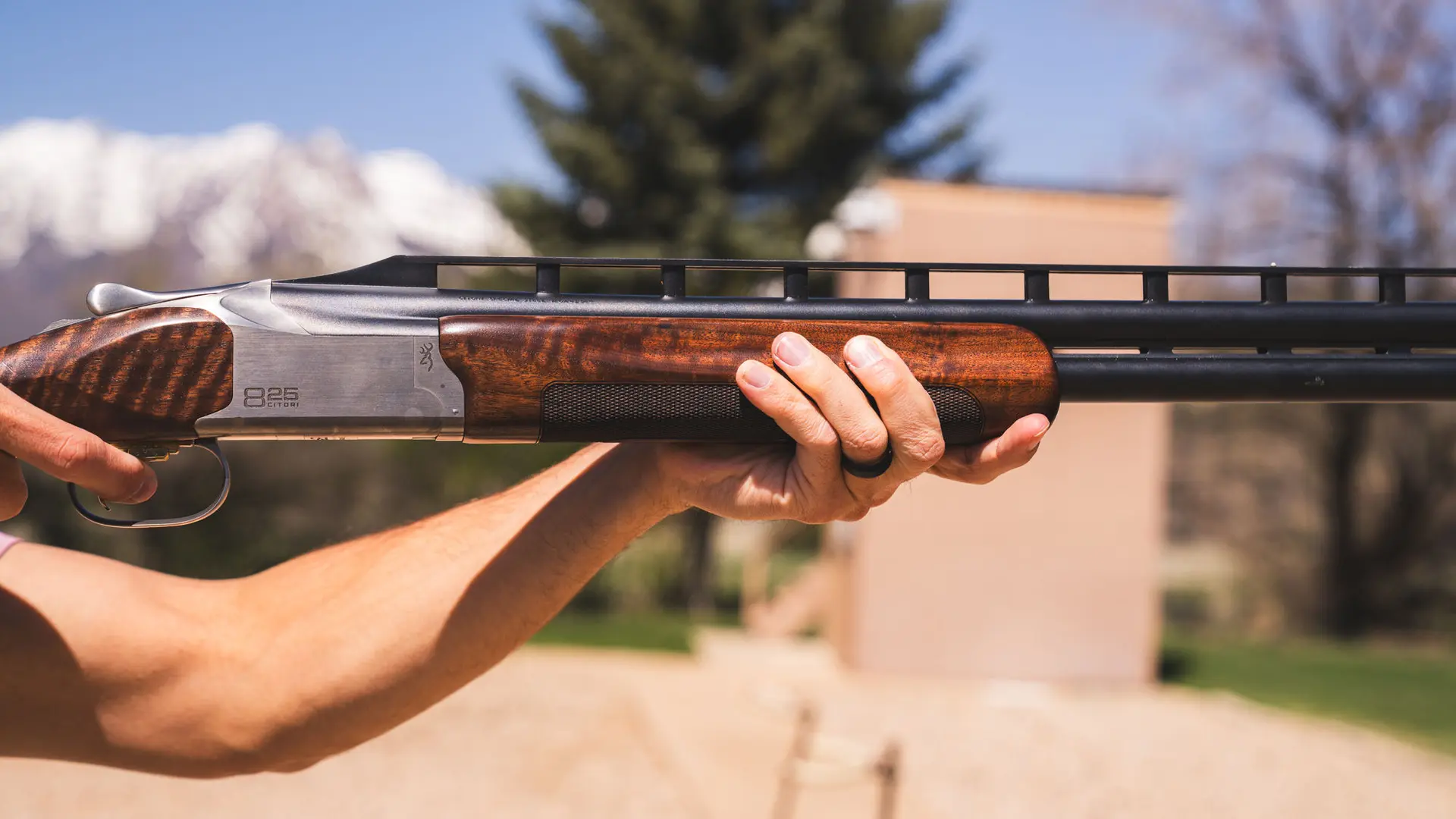
Browning refined the controls, too. The safety/selector looks cleaner, the reimagined top lever works without fuss, and the larger forearm latch lets you strip the gun faster. The mechanical Fire Lite 2 trigger offers a smooth pull with minimal creep, and the Inflex II Technology recoil pad tames felt recoil while the smooth heel keeps the gun snag-free on the mount.
If you’re serious about trap, the Citori 825 Trap is a purpose-built tool that will boost your scores.
Other popular Browning trap go-tos, and ones you should consider if you’re looking to take your trap shooting to a heightened level, include the 825 Trap - Adjustable Comb and 825 Max Trap.
Browning 825 Sporting
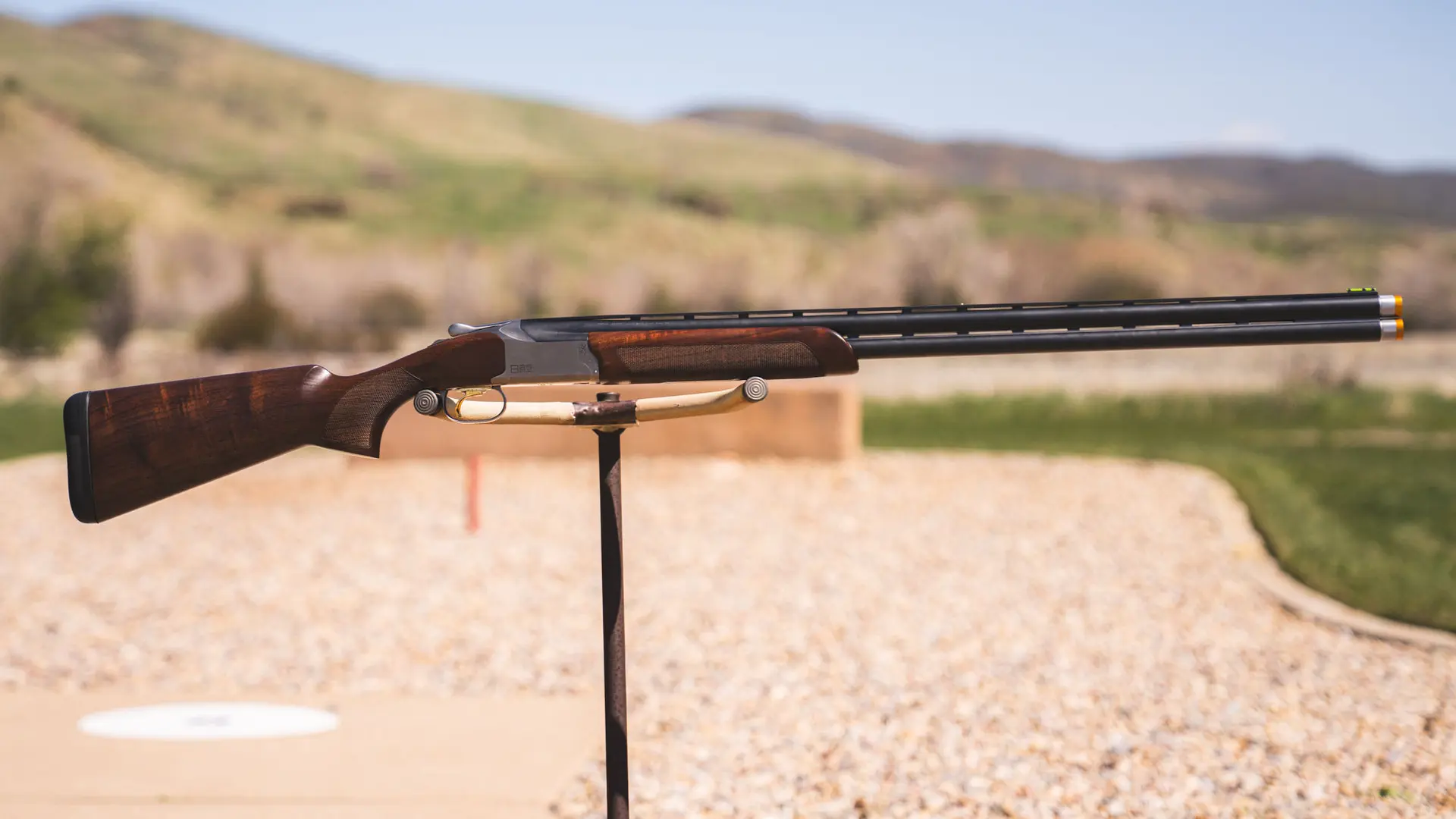
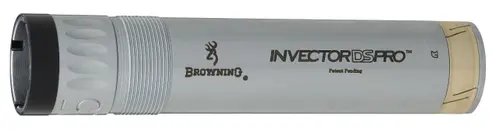
A shotgun ready to make your sporting clays, skeet, and even hunting upland dreams a reality, Browning’s 825 Sporting is available in 30- and 32-inch barreled offerings in 12, 20, and 28 gauge and .410 bore. Browning includes a smattering of extended Invector chokes (Full, Improved Modified, Modified, Improved Cylinder, Skeet) to tailor your shot pattern to the target presentation.
If you’re the kind of hunter who looks forward to a round of sporting clays like it’s a preseason date, the Citori 825 Sporting is worth shouldering. This classic over/under makes tricky shots feel possible. The stock dimensions set your eye right on the rib, so your sight picture is instant. A close-radius pistol grip with palm swell and the adjustable Triple Trigger System lets you repeat the same setup every time. Consistency kills and turns flying discs into orange dust.
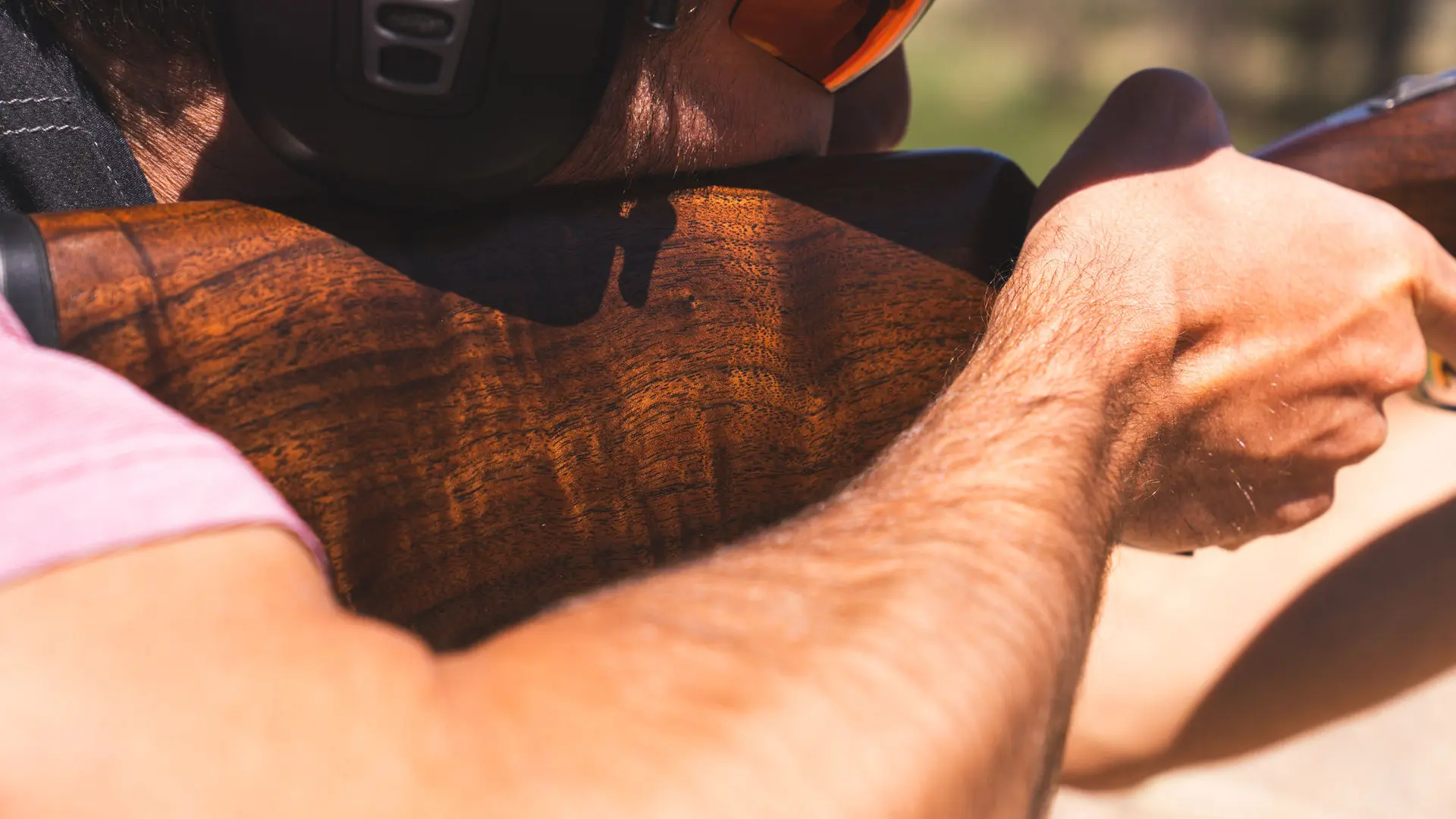
The ventilated top and side ribs keep barrels cool on hot days, even when you’re sending lots of lead down the barrels. The 50/50 point of impact means this gun could easily go in the truck for a quick day in the field during dove, grouse, or pheasant season.
Browning kept a number of tried-and-true 725 features: The full-width hinge and tapered locking lugs for toughness. The low-profile receiver that lowers the bore line of the barrels, improving balance and pointability. The build also puts the barrels more in line with the shoulder, reducing muzzle jump, softening felt recoil, and creating a gun that balances and swings like it’s on rails. Like the Trap model, the controls are refined with a cleaner safety/selector and top lever, and an easier to use forearm latch.
The 825 Sporting feels natural to point, is forgiving when targets get weird, and is dialed for shooters who want to get better and have a damn good time doing it.
In true Browning fashion, the manufacturer makes multiple sporting clay shotguns, some with more bells and whistles than others. If you’re a seasoned sporting clay breaker looking to climb the podium, look to the 825 Sporting with Adjustable Comb and upscale 825 Belmont Sporting High Grade.