How To Find Whitetail Success During The Late-Season
Published on December 8, 2025 by Laden Force
If you’ve hunted for any length of time, you’ve been here. It’s early December, consistent cold conditions are in effect as the rut is winding down, or maybe even passed, and you are still holding an un-notched tag. Your mind is stuck on the half-empty fact that the season is closer to being over than just beginning. As deep as the doom and gloom can be, the truth is this can be one of the best parts of the season to locate and put your tag on a great buck.
For a lot of hunters, the late season is highly forsaken. The thought of watching football, sitting in front of a crackling fireplace, or sipping warm apple-spiced cider is a good bit more appetizing than braving the inclement weather. We have all heard our buddy’s lackluster excuses of “The big bucks are all gone now,” and “The good ones are nocturnal for the rest of the season,” or “Sally is going to kill me if I don’t put up the Christmas lights!”
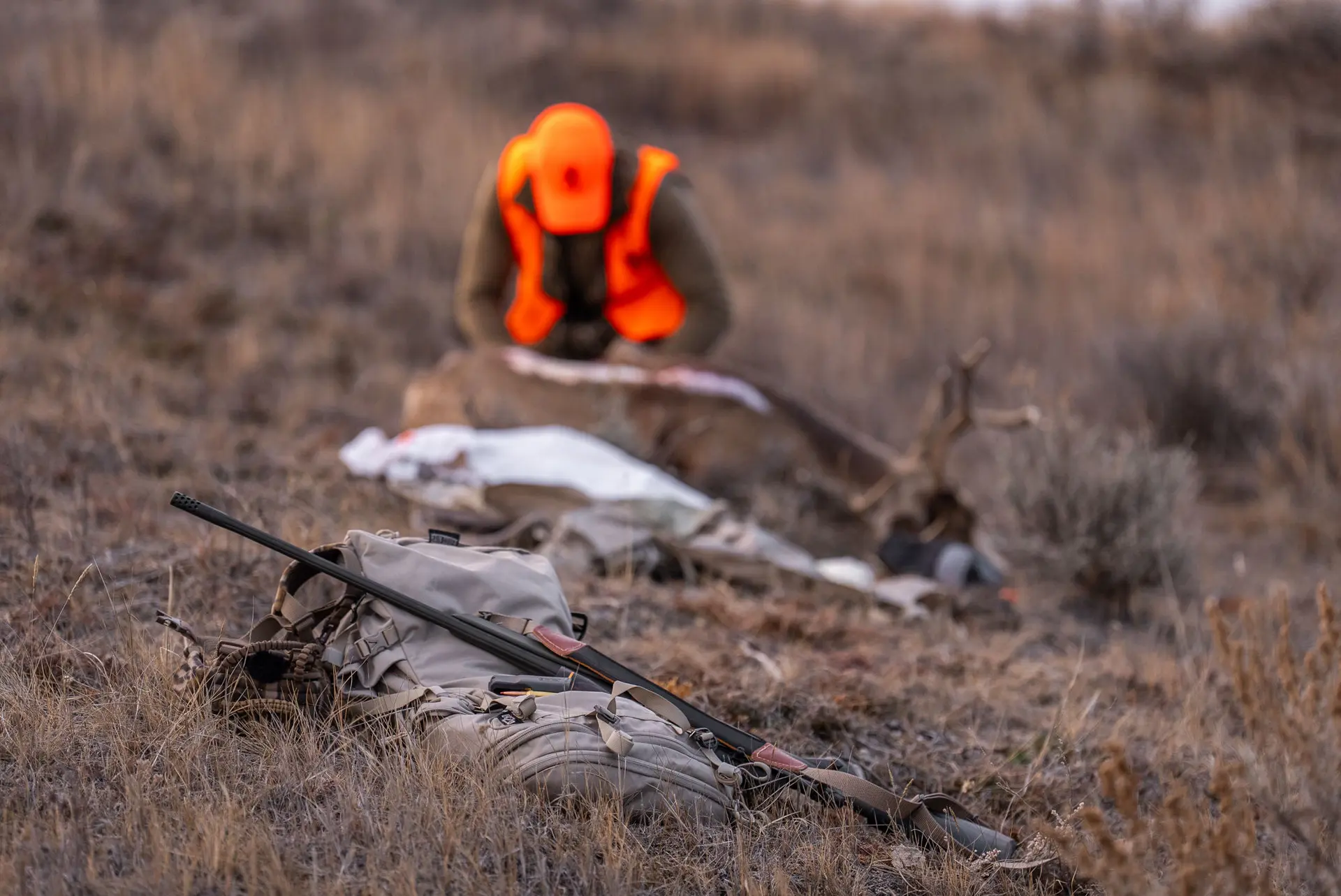
Truth is, they just don’t like being cold, especially when the challenge can require more from a hunter. So be it, as this can mean less competition for you. Locating a late-season target, observing their behavior, and acting when the time is right can lead to harvesting some of the biggest bucks of the season.
Observation is Key
The harsh reality of hunting post-rut bucks is that many of your early-season targets may have already been harvested. Taking inventory to understand what bucks are still on their feet, even if it means sacrificing a few hunting days to do so, must be your priority. Not only will it allow a little more time for pressured and weary bucks to relax, but it will keep you from potentially contaminating a hunting area or pushing out unknown bucks.
Years of hunting late-season bucks have taught that the two most productive ways to identify late-season bucks are glassing from afar and using modern trail cameras to build knowledge. These methods differ in that one is active, and the other is a bit more passive, but both are worth their weight in gold when it comes to putting together a story.
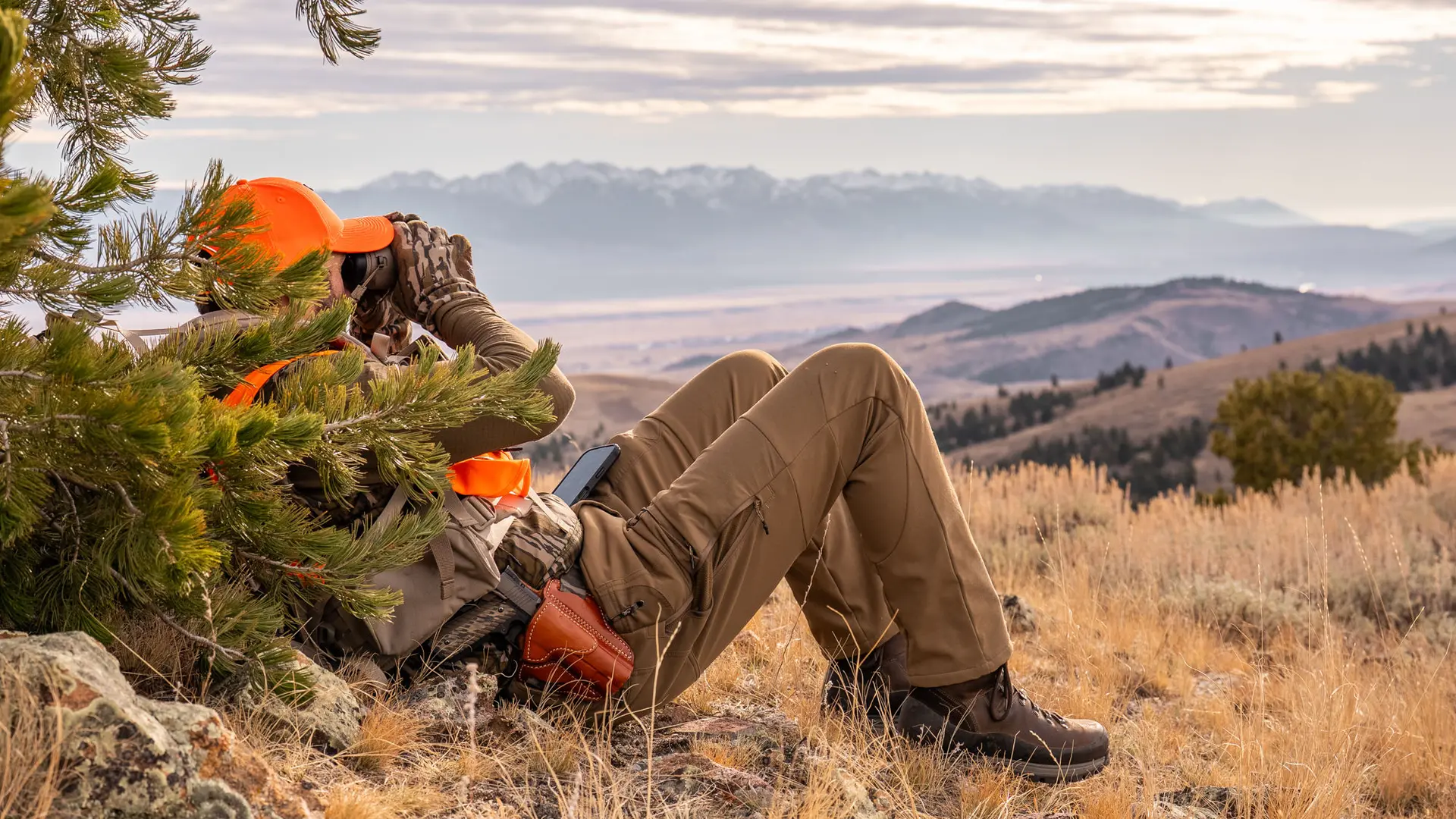
Spotting from an observation point with quality glass can be a bit more engaging and help you build a more holistic understanding of how the bucks are using your hunting area. Target feeding areas or observable travel corridors when using this method. Ensure that you arrive before feeding hours and depart after dark, to avoid adding to the angst of a wise old buck. If you lack that kind of time, work to position your observation point far enough away from deer activity that your coming and going is not intrusive.
For those fellas with even less spare time on their hands, or who may be bound to the list of honey-do items that built up over the first half of the season, trail cameras can be your best friend. Aside from limiting human exposure in your hunting area, trail cameras can also see nighttime activity. This can be a huge help when the remaining target bucks are travelling during the wee hours of daylight or have even turned nocturnal. Much like glassing, target locations of feeding areas or travel corridors close to bedding are excellent areas for camera placement.
Take Note
Often, deer are creatures of habit. However, don’t take that fact for granted. Odds are your late-season target is going to be one of age, one that has had more time to craft the art of evading their predators. You must remember that it’s those habits that have kept them alive, but if learned, those same habits can also lead to their demise.
As you observe, by spotting or using trail cameras, it is invaluable to ensure you are not just looking at the deer. Like any exciting activity, spotting a late-season buck can be an energetic and distracting moment. Whether you are spying through a spotting scope or simply looking at the last photo on your trail camera app, slow the moment down. Build a journal or take notes on your phone. These notes should document the elements of the moment. Document things like the wind direction, wind speed, the temperature, the pressure, the time when that buck enters the field, where he enters the field, or his direction of travel.
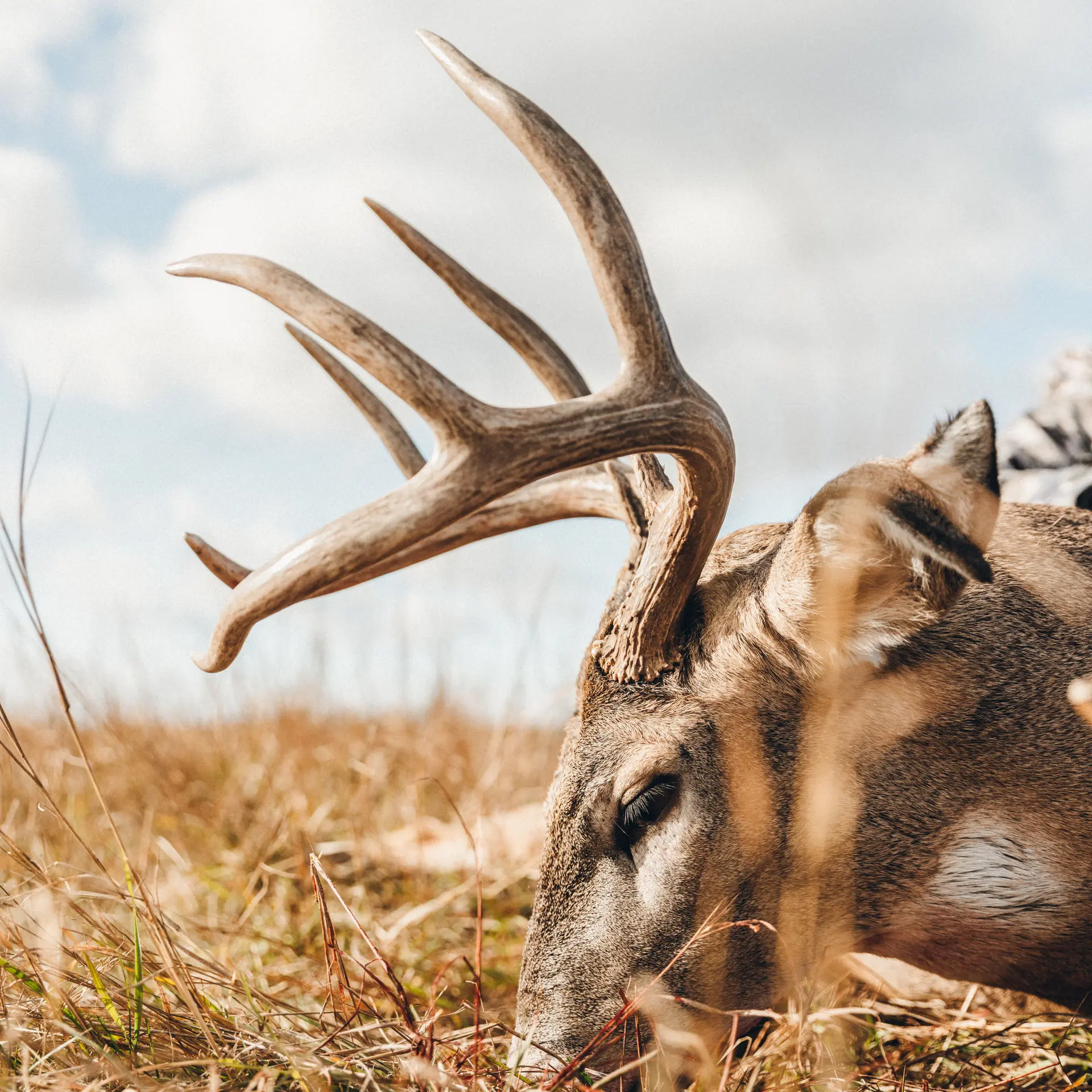
As I noted earlier, late-season deer are creatures of habit. Over time, you will likely notice that your target buck has tendencies. You will notice that the buck likes to feed in specific fields or in certain areas of a field, depending on the wind, and that the trails used to get there differ depending on speed or direction. You might notice that he likes to be in those positions earlier when temperatures are below a certain level. When documented, these factors can help you choose the right field or travel corridor and the correct approach route to reach it. In the end, the collection and understanding of these tendencies will undoubtedly lead you to being in the proper position to succeed.
Make the Move
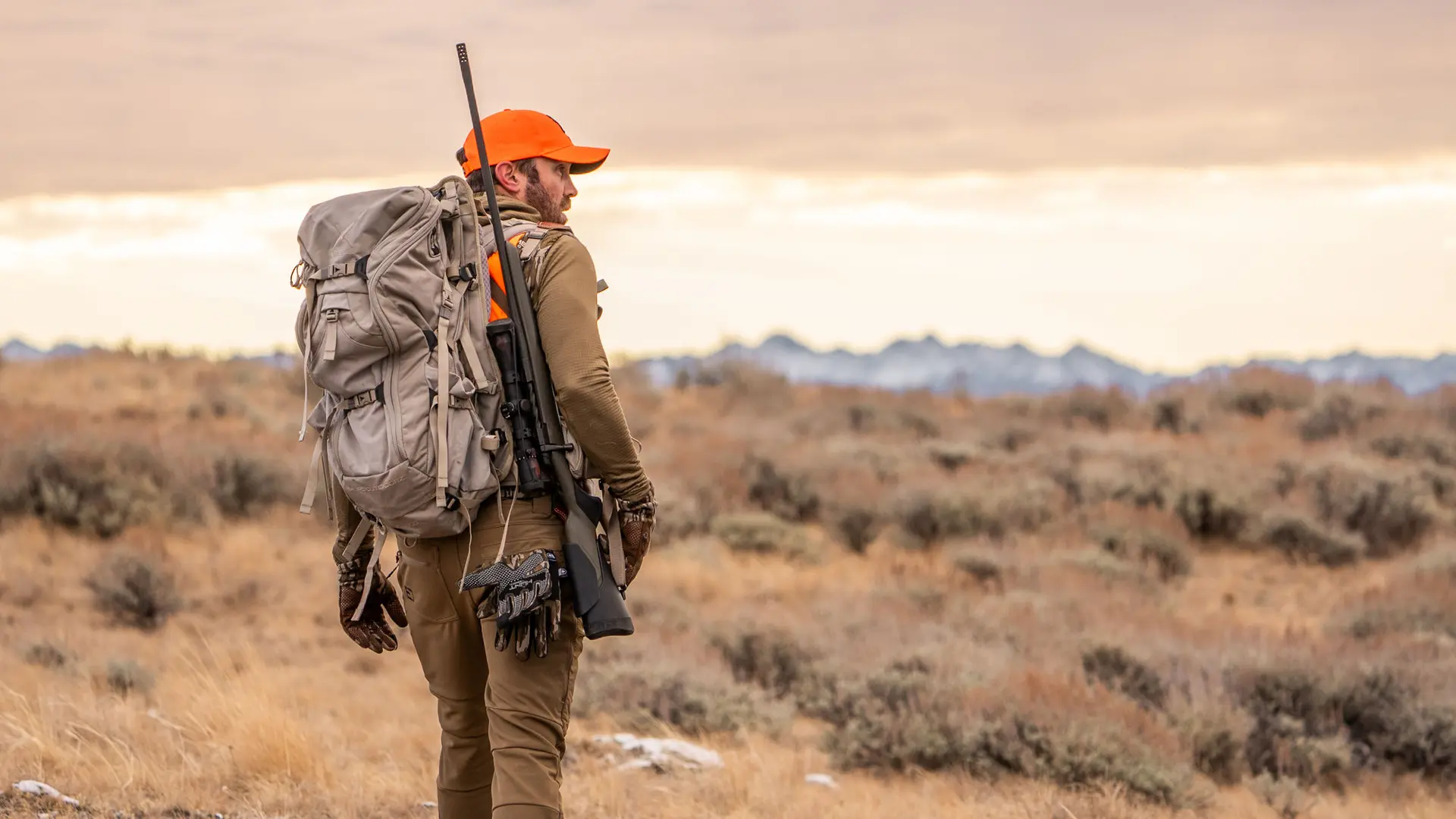
Though it is the foundation to late-season success, locating and observing your target is just the first half of the equation. The second part is less dynamic, but equally important. It comes down to being aware of passive and active data that leads to increased rates of daylight deer activity. That part of the equation is data-driven, but in the end, it requires you to make the best decision based on the knowledge you have. In fewer words, analyze your data relative to the current elements, and make the move!
Years of trial and error have taught that making that successful move varies significantly when hunting from a position to observe versus a position to kill. Positions of observation can be more entertaining to most because of increased visibility of deer but remember that you have already observed and done so with the intention to harvest. Your odds of success will increase when you avoid hunting your observation spots. Use your data from observation and note-taking to pinpoint the location with the highest daytime activity, based on the weather and the hunt’s elements, to put yourself within your rifle’s effective range.
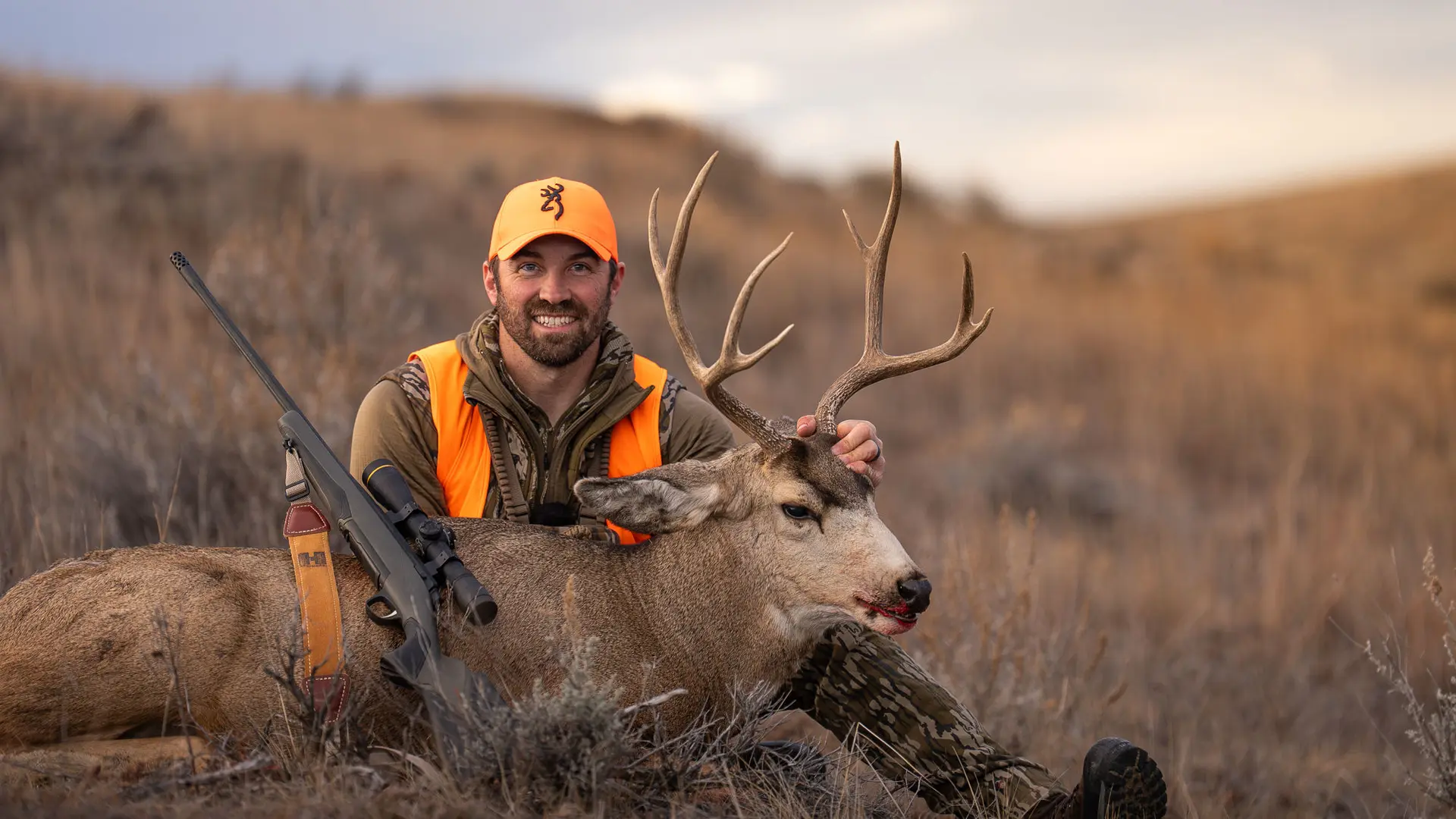
Everything discussed thus far is primarily focused on building passive data on feeding activity; bucks following their stomachs as they rebuild nourishment to survive the high-stress winter. There is, however, one aspect of active data that can throw all caution to the wind. That is the influence of late, or “second rut,” activity.
In this instance, does that were not bred in the first rut, or potentially yearling does, cycle a second time. This usually occurs 30 days after the first cycle and gets lethargic bucks off their butts, creating a quick, intense window of activity. If you notice such activity, act fast!
Confidence
All in all, there will be a good amount of effort invested in this strategy and task. It wouldn’t be uncommon that you’d have days or even weeks tallied before ever having a chance to pull a trigger. This is even more reason to reassure you that you don’t leave your rifle of choice to chance. Having a gun of high quality, consistent accuracy, and versatility will deliver the confidence you need in producing a sound shot on a late-season buck.
Browning's new X-Bolt 2 is manufactured to exceed the highest production-grade standards and deliver absolute accuracy. The redesigned bolt, reconfigured action, and free-floating, button-rifled barrel continue to maintain the Browning reputation. The real evolution, however, is the new Vari-Tech Stock. A truly customizable length of pull, comb, and pistol grip allows hunters to build a fit that produces personalized tack-driving accuracy.
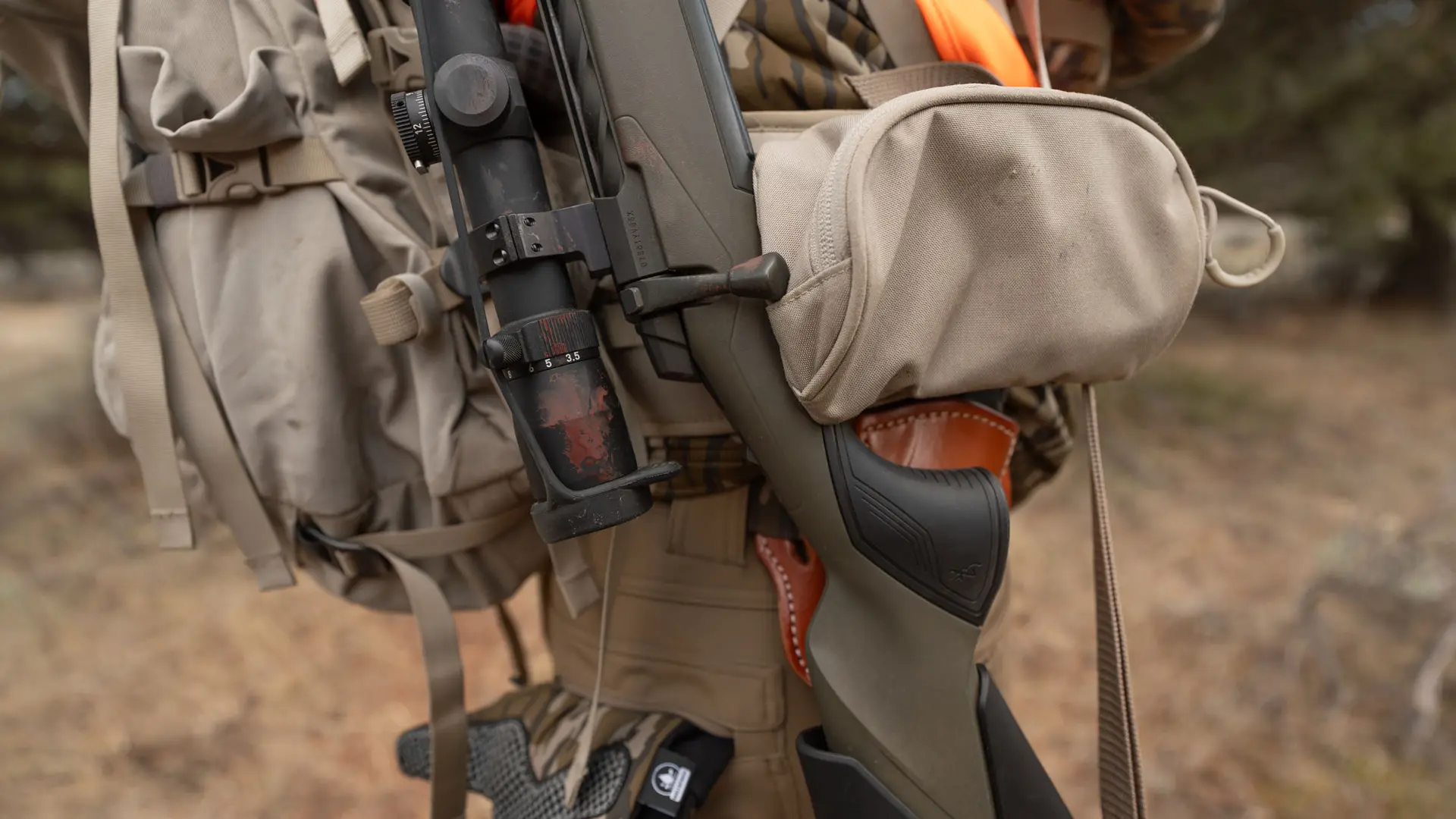
To Read More About Browning's Vari-Tech Comb Stock, CLICK HERE!
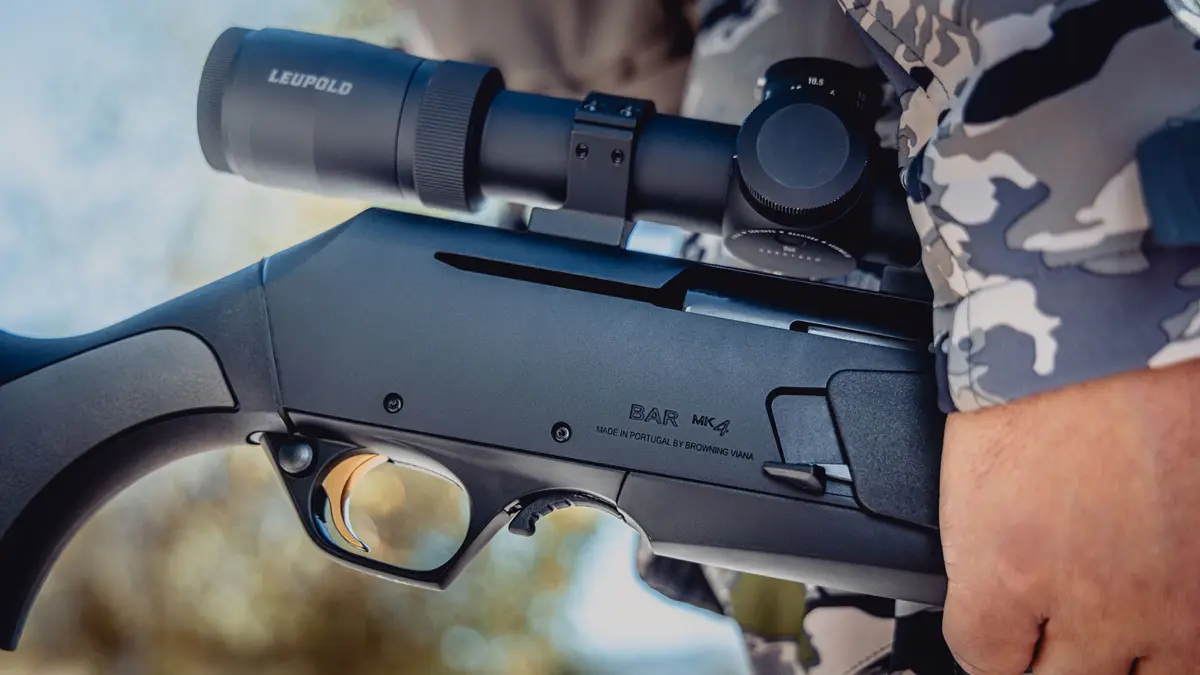
This level of customization is great for hunters wrapped in the extra bulk of cold-season gear, providing unwavering confidence in the moment of truth. Whether a new X-Bolt 2 or a popular BAR model, having a rifle you trust in your hands lets you focus on the moment, not the shot.
To Read More About Browning’s all-new BAR MK4, CLICK HERE!
Close it Out
As the late season approaches, leave the hot chocolate and crackling fires to the less motivated hunters. Have assurance that with the right amount of observation, data, and decisive action, the month of December can offer an opportunity at some of the season’s biggest bucks. So, lace up your boots, get to work, and keep your glass half full. While your buddies are kicking back in the recliner, dig in and wrap your tag around a great late-season buck.