Citori CX Family — The One-Gun, Three-Flavors Conversation You Need to Hear
Published on June 3, 2026 by Browning Staff
If you’ve spent any time shooting over/under shotguns or been on the receiving end of advice at the gun counter, you already know the Citori name carries a lot of history with its roots reaching all the way back to John M. Browning himself.
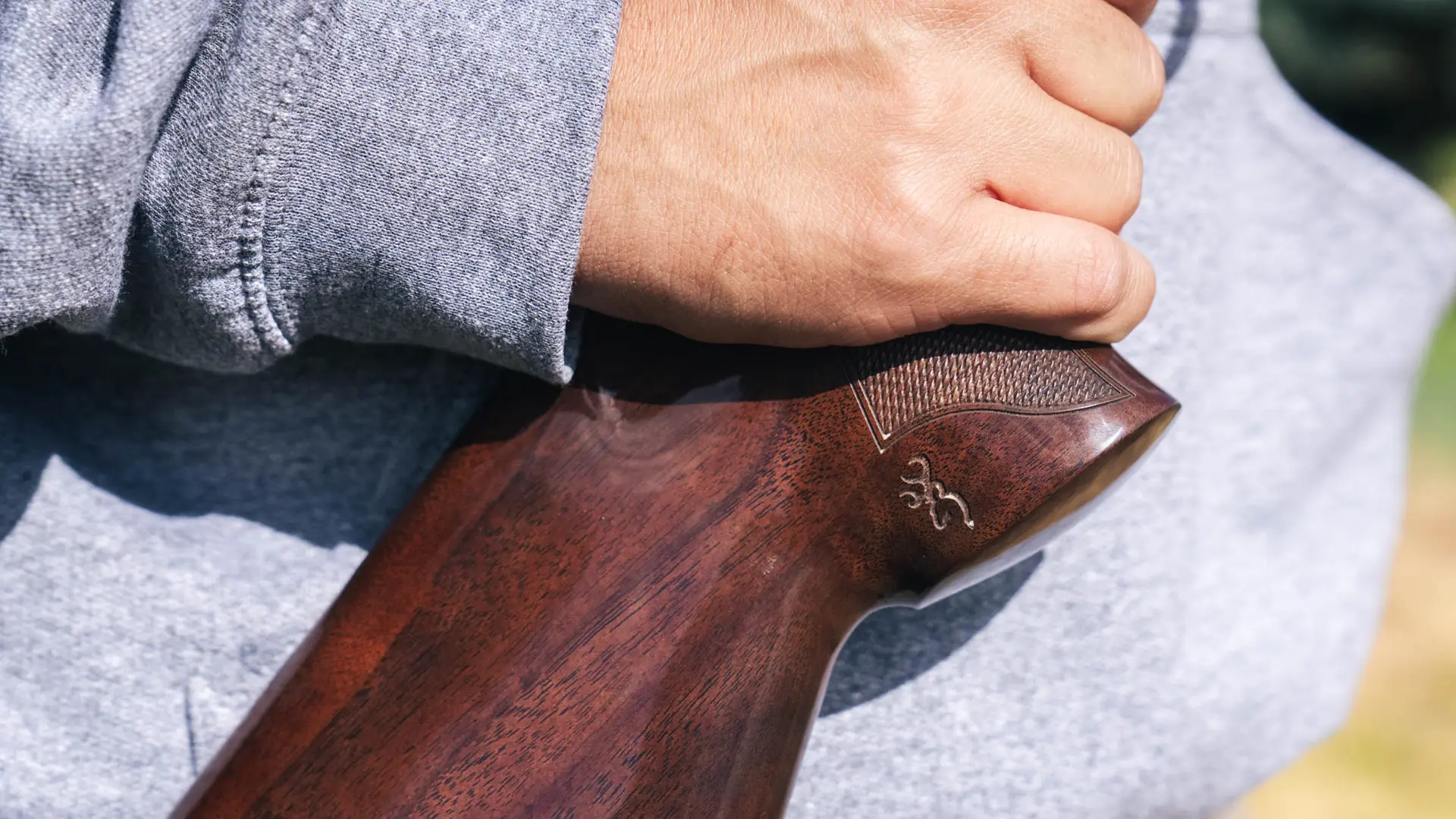
The Citori CX family has been designed to be that sensible middle ground: Durable Citori action, back-bored barrels, fitted walnut, and stock geometry that aims to work for both the field and the range. Where the CX family really earns its keep, though, is in the subtle differences that one will find as they delve deeper into these shotguns. Some of those nuances include stock pitch, point of aim, drop at heel, and barrel length options that affect swing and balance, and optimize the gun to perform better in certain situations.
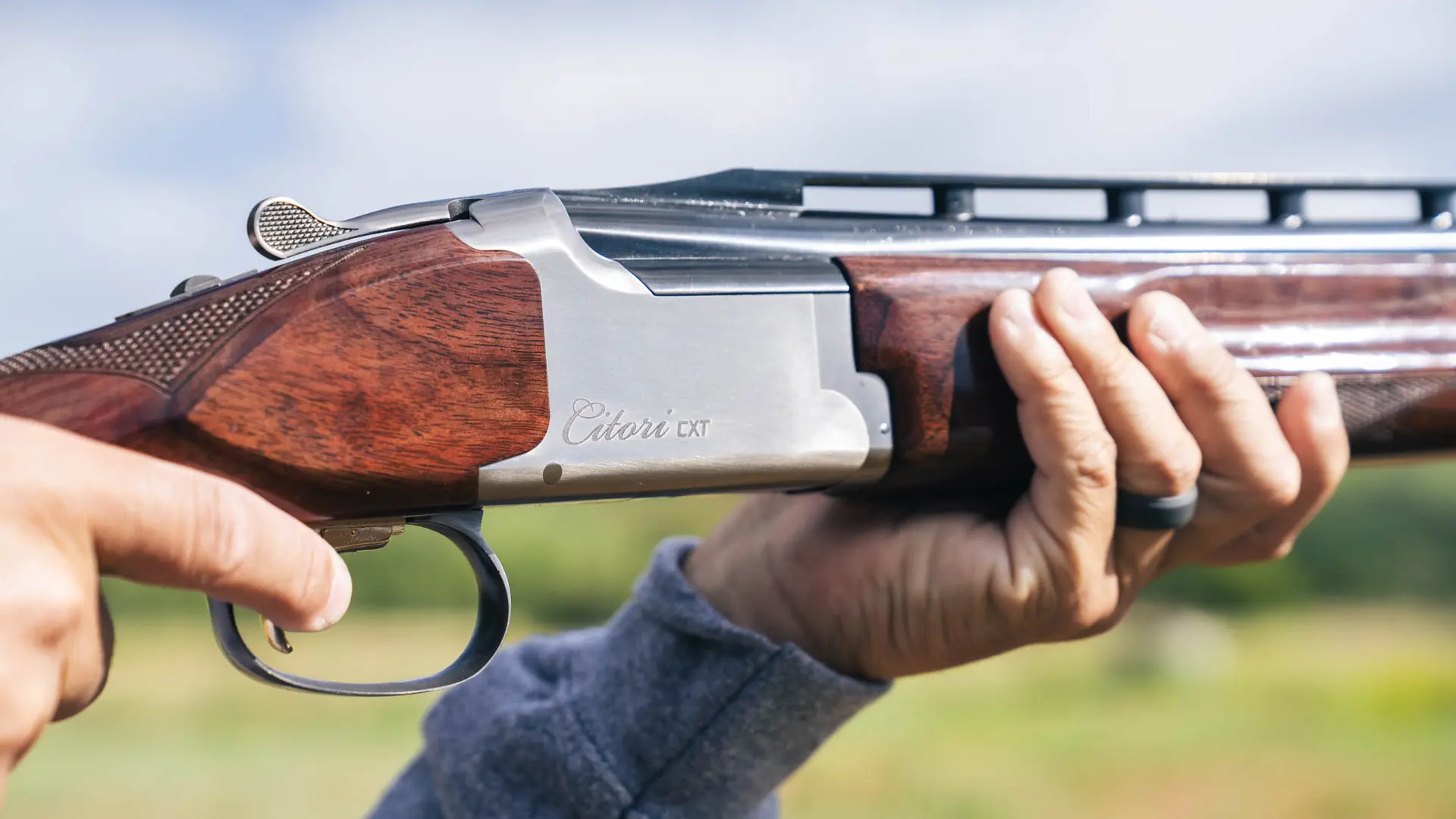
Browning lays out those intent-driven differences in the CX family with the CX billed as the true crossover, the CXS tuned toward sporting/skeet, and the CXT geared more to trap. You can feel those design choices the first time you pick one up.
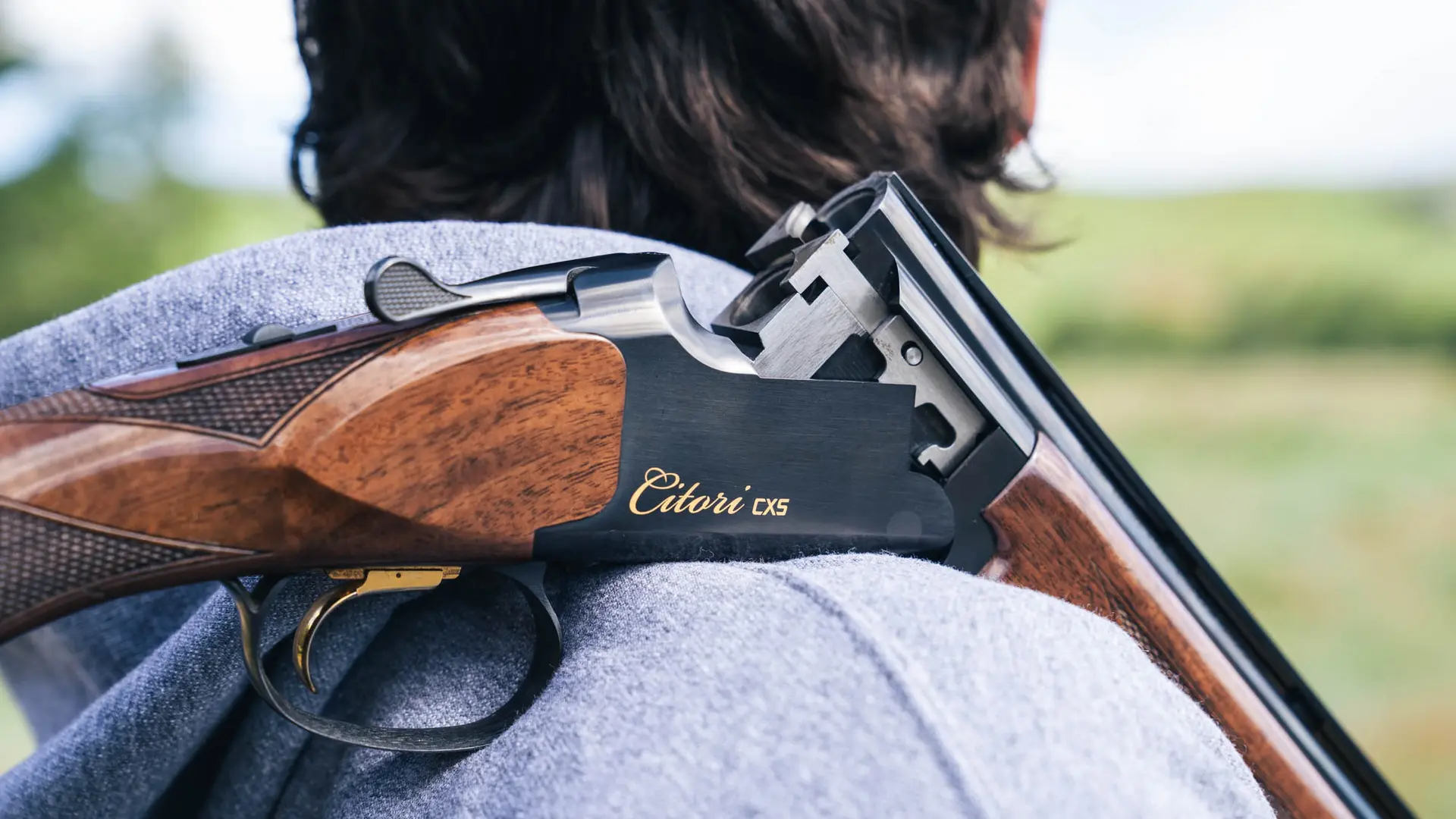
Citori CX — The Balanced Crossover
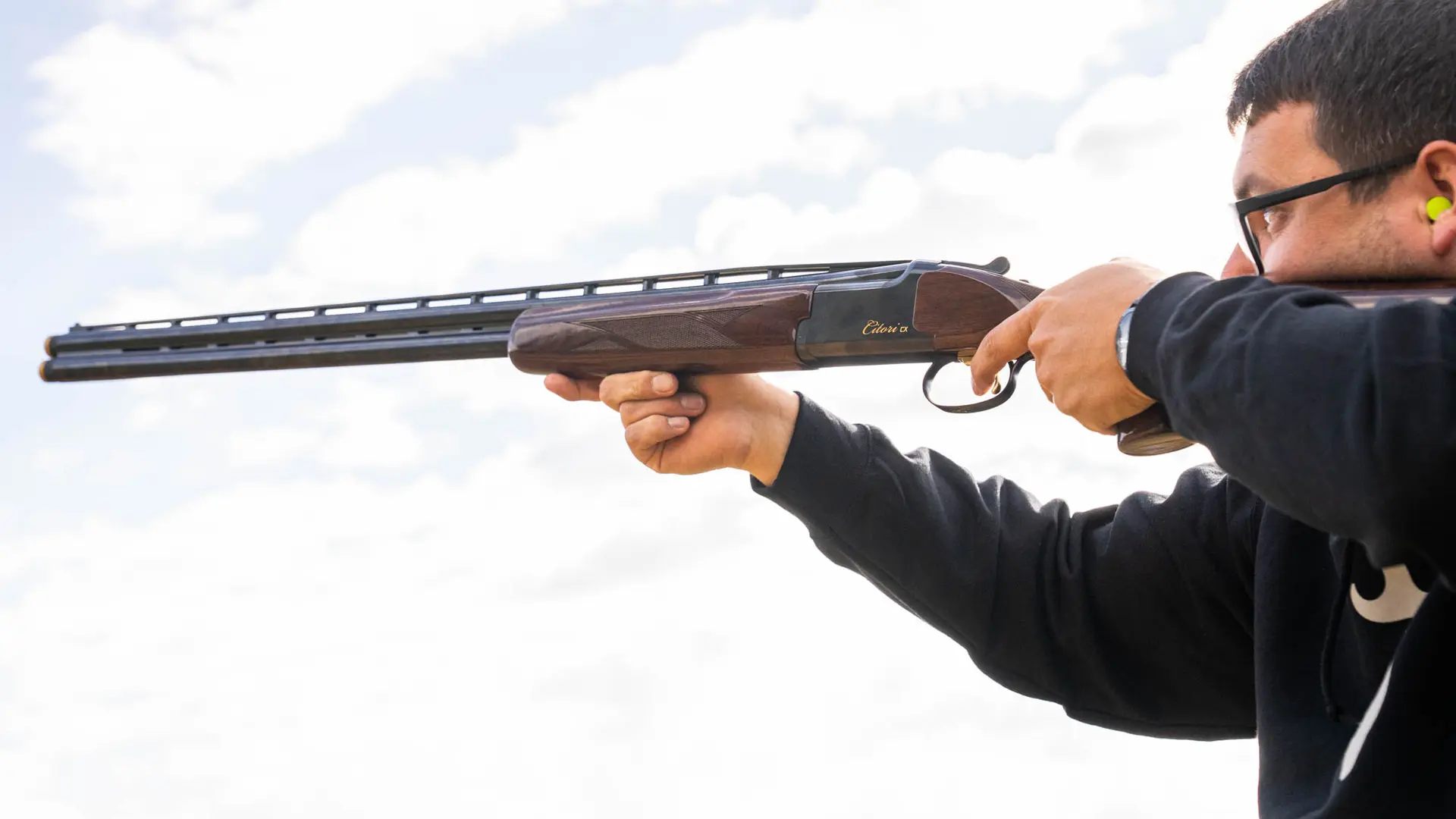
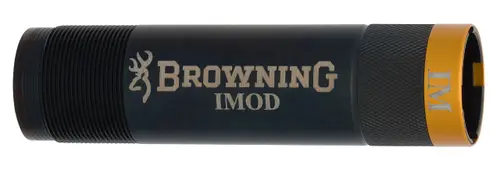
The CX is Browning’s middle-of-the-road over/under. It is a non-ported, back-bored barrel set with vented top and side ribs. The Citori CX features a three-position trigger with one trigger shoe and three extended Midas Grade choke tubes. Those who’ve shouldered a CX stick with it. The shotgun is a clay buster. Browning designed it to be highly adaptable across all clay target disciplines, and for those wanting an excellent field gun, the CX offers Steel Shot Performance, a technology that allows the barrels to handle the punishment of hard steel.
Our “middle” terminology is literal, with the factory stock and rib geometry aiming for a more neutral POI and comfortable cheek weld so you can shoot clays or birds without hacking away at the stock. The Citori CX features a 60/40 POI, which means 60 percent of the shotgun’s pellet pattern hits above your point of aim, while the remaining 40 percent impacts below it. A 60/40 POI is highly versatile, which is why the under $2,800 Citori CX is an excellent over/under choice.
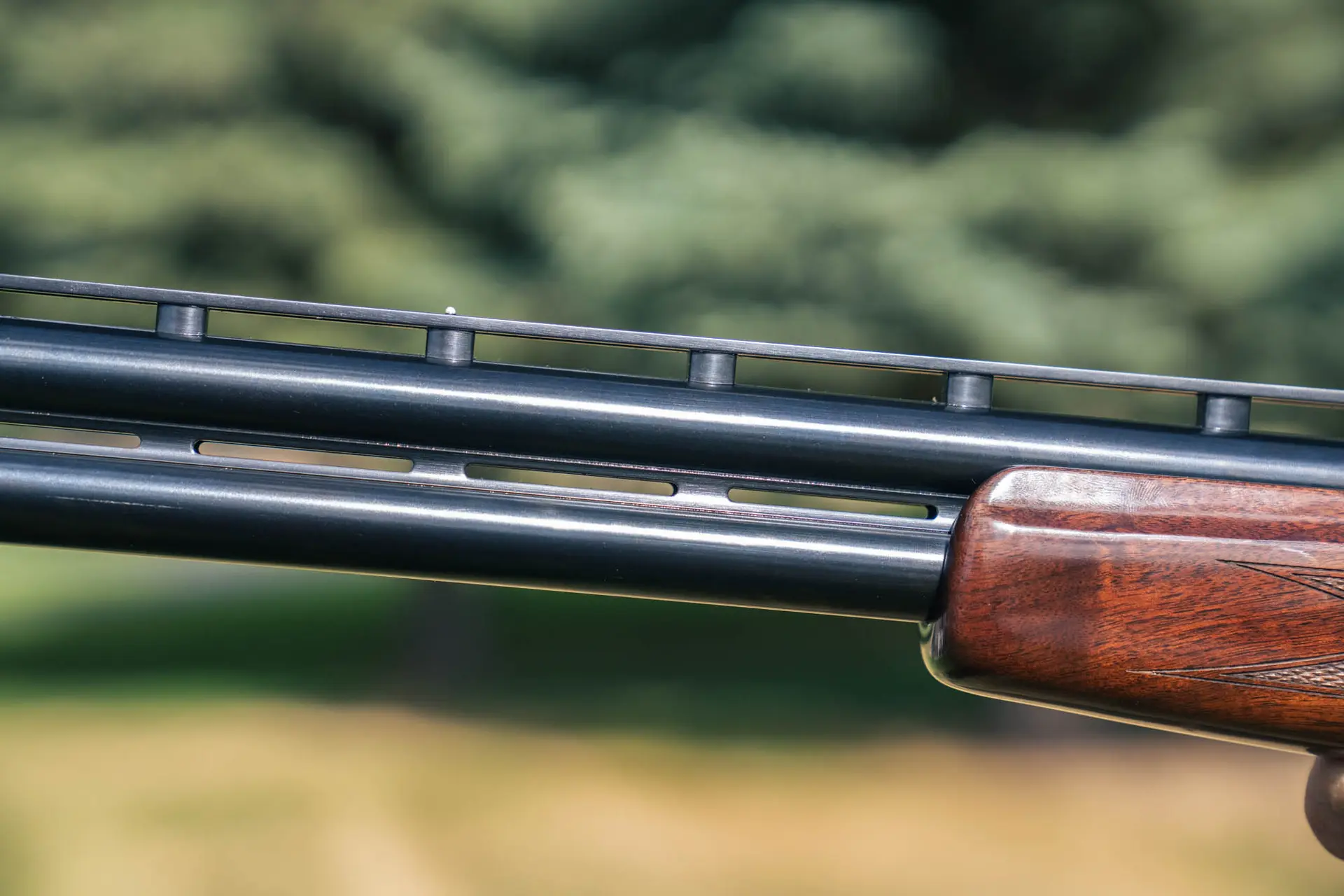
The CX is intended to be a neutral POI shooter, neither biased high for trap nor low for quick-swing sporting. Rather, a pattern to support general-purpose shooting. In practice, that means you’ll find the POI close to a centered pattern suitable for targets crossing and rising in typical field and sporting presentations. If you spend most of your time alternating between upland birds and clay days, the CX is the setup that minimizes surprises.
The Citori CX provides middling, user-friendly geometry. Published specs on CX-family guns vary slightly by configuration (adjustable-comb models, trap variants, etc.), but the standard Citori CX ships with a drop of 1-1/2 inches at the comb and 2 inches at the heel. That translates to a stock that brings your eye to a mid-rib height without forcing an aggressive high-gun or low-gun hold. If your face mounts naturally to a mid-rib, the CX stock will almost always put the bead where you expect it.
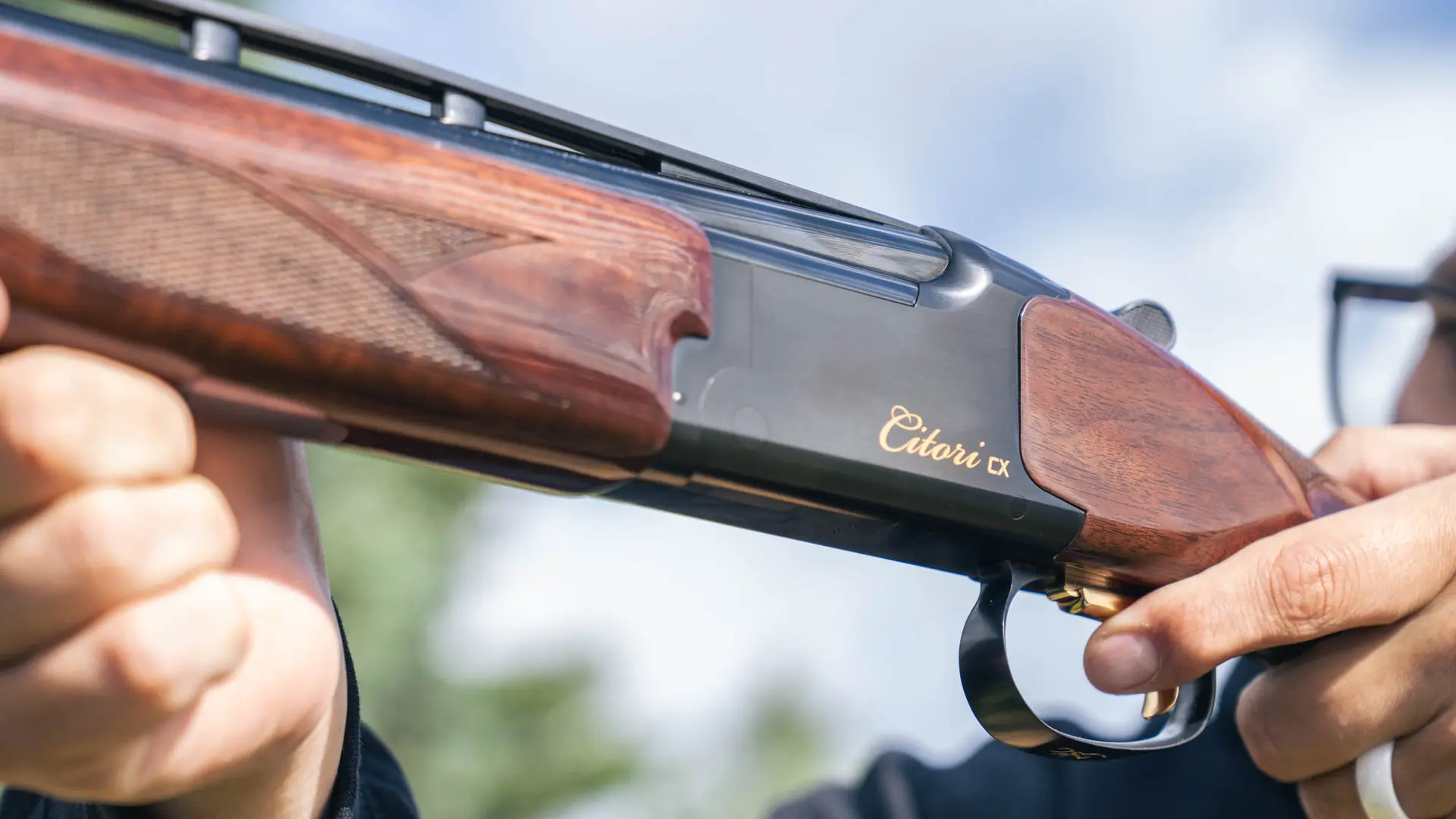
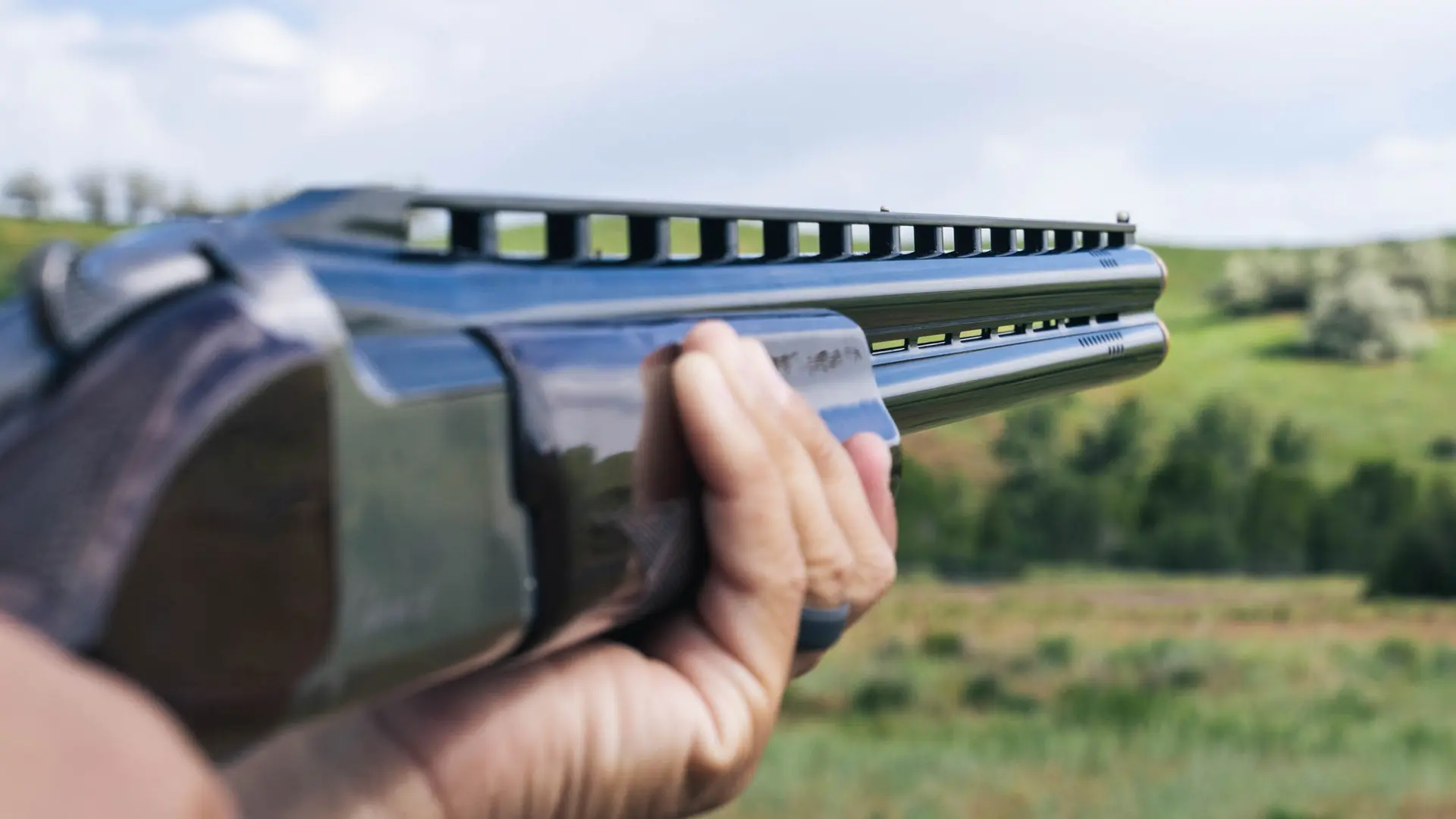
CX guns typically come in shorter-to-mid barrel lengths (28 and 30 inches); however, Browning also offers a 32-inch barrel option. Citori CX models with 28-inch barrels are more common for hunting. The shorter barrels keep weight reasonable for field sojourns, and if you want a lighter swing and quicker handling, the 28-inch barrels will feel nimbler. If you want a touch more sighting radius for long, smooth swings, the 30-inch is a nice compromise, and if you’re a trap goer, the longer 32-inch barrel promises a smooth, stable swing and a consistent follow-through.
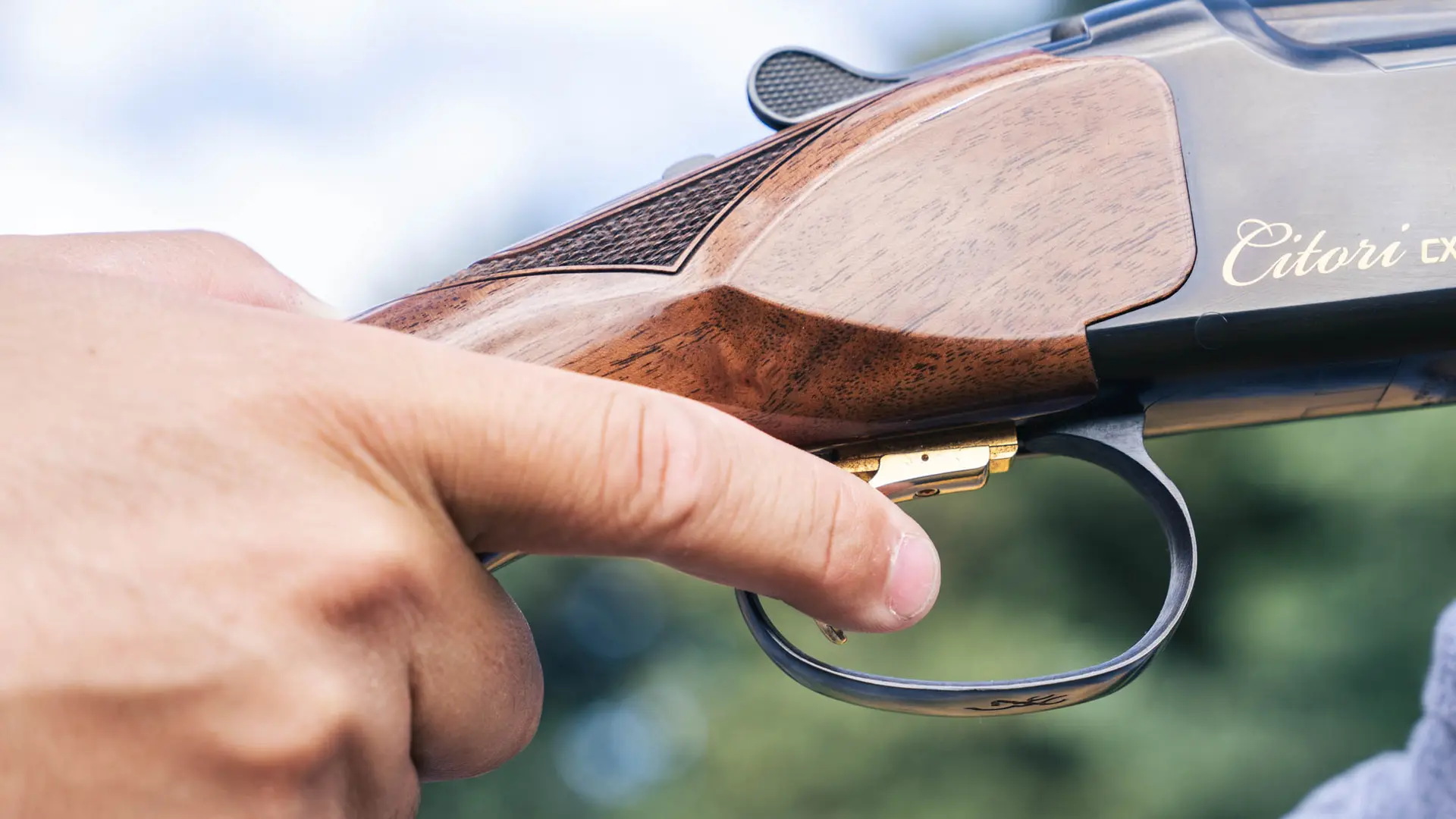
All 12-gauge Citiori CX shotguns sport 3-inch chambers and handle 2-3/4 and 3-inch shotshells with ease. Hammer ejectors automatically eject empty shotgun hulls when the action is opened. Ejection and loading are always reliable.
Citori CXS — The Sporting-Forward Option
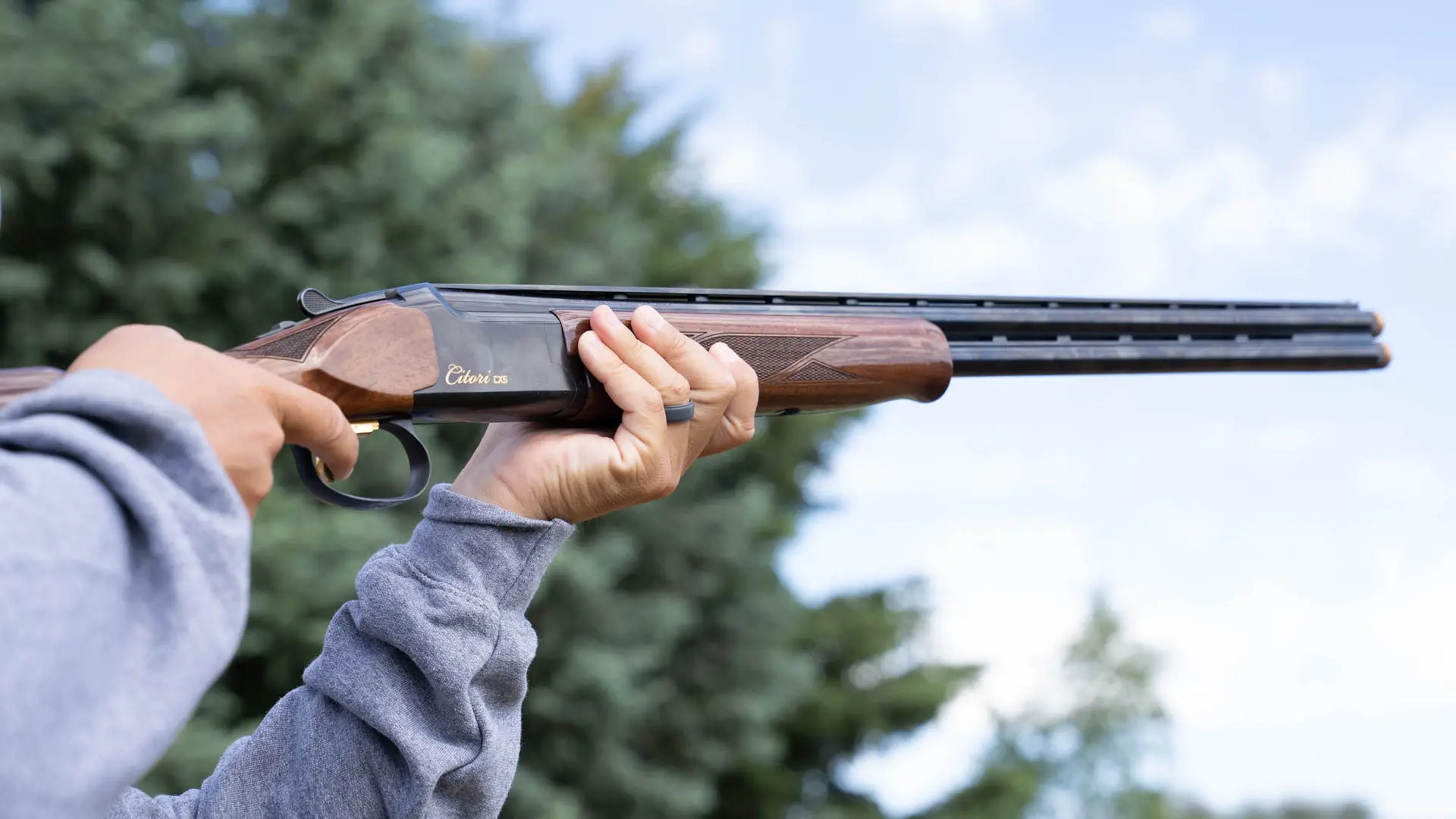
If you spend a lot of time on clay courses but still want a gun that will perform in the field, the CXS is the one Browning built for you. Think of the CXS as the CX that is fully committed to sporting/skeet ergonomics with lighter-profile barrels, ventilated ribs tuned for a quick sight picture, and a stock geometry that is a touch more aggressive toward on-target pointability. Reviews and factory notes make clear the CXS trades a little of the field-oriented neutrality for nimbler, target-focused handling. However, it is a shotgun that will put you on the podium and have you posing with a limit of roosters.
The Citori CXS, unlike the CX, is available in 20- and 12-gauge versions, adding to its versatility. Barrel lengths, for both gauges, are 28, 30, and 32. Drop at the comb is 1-1/2-inches for both gauges and drop at heel is 2-1/4-inches; one-quarter inch more than the CX. Weight, depending on gauge and barrel length, ranges from 7 to 8 pounds. Those numbers are such a practical fit for most shooters that, for many people, the ivory bead lands where expected without fiddling. That slightly higher comb-to-heel differential compared with some dedicated field guns helps bring the eye onto the skeet/sporting rib. If you’re moving across stations or shooting pairs, that geometry makes the gun point faster.
Browning positions the CXS to favor a 50/50 POI distribution. This is a balanced, neutral pattern that keeps things predictable, whether targets pop low or high or swing across your front. The 50/50 design is ideal when the target presentation can come from anywhere. Sporting clays courses are deliberately random, and an even POI gives you a pattern that is forgiving for both high and low presentations. Plus, we like a 50/50 POI when afield. Practically, you’ll notice the gun center-prints more often for targets breaking at or around your sight bead when you use a neutral hold.
Citori CXT — The Trap-Biased Tool
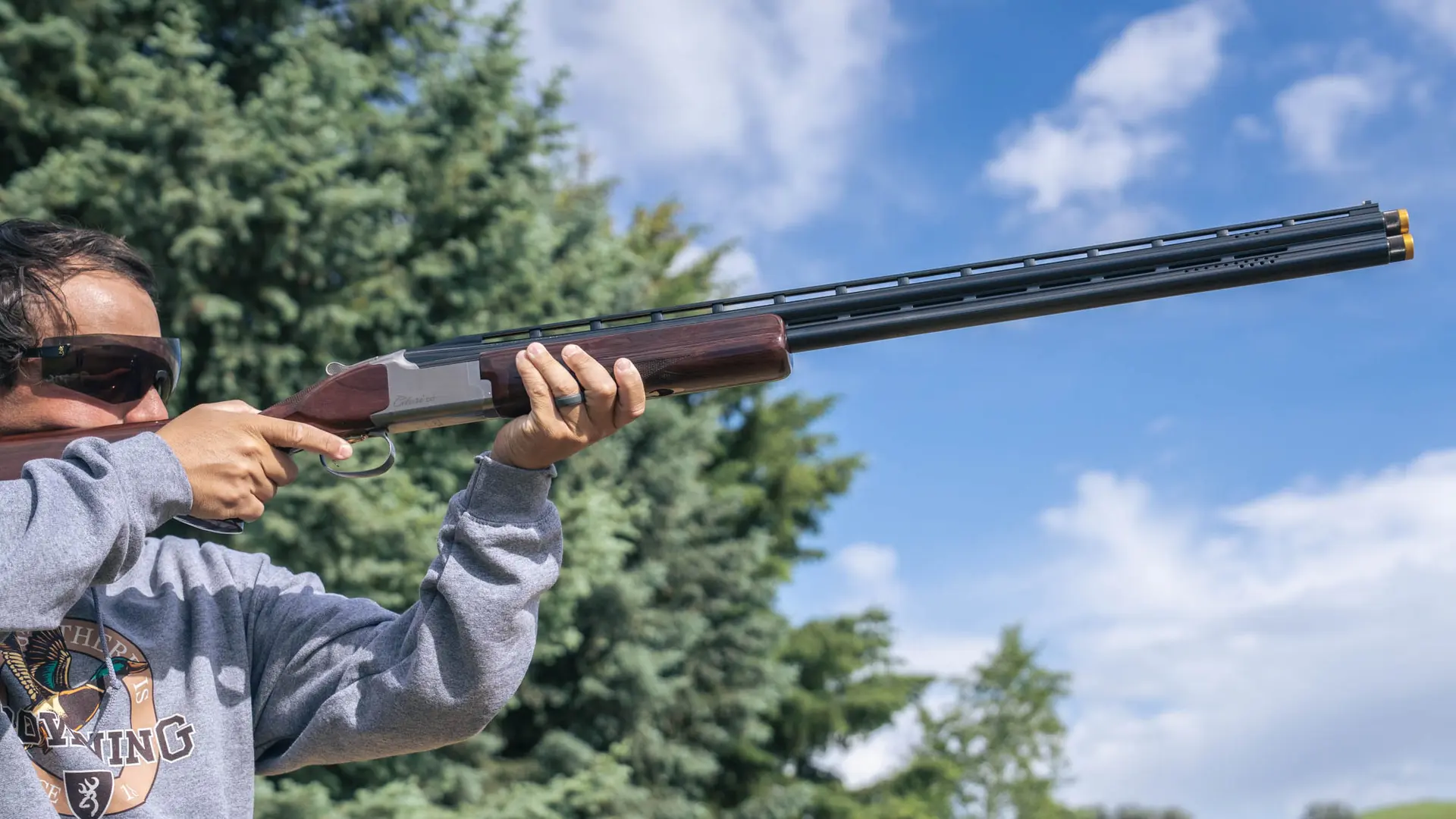
The CXT is the specialist in the lineup, built to favor rising trap targets. The geometry and POI are right for trap work, where targets rise from below, and you want the bead to be visible early in the swing. That intent influences the rib height, barrel contour, and stock pitch. If trap is your primary pursuit, the CXT will feel like it was made for the target line.
Trap-oriented stocks typically come with a higher comb to help you pick up the clay early as it rises. Exact published drops for CXT variants will vary based on whether they’re fixed or adjustable stock configurations but expect a slightly higher drop-at-comb relative to the CX and CXS. The Citori CXT with Adjustable Comb has an adjustable 1-13/16 drop at the comb and a 2-1/4-inch adjustable drop at the heel.
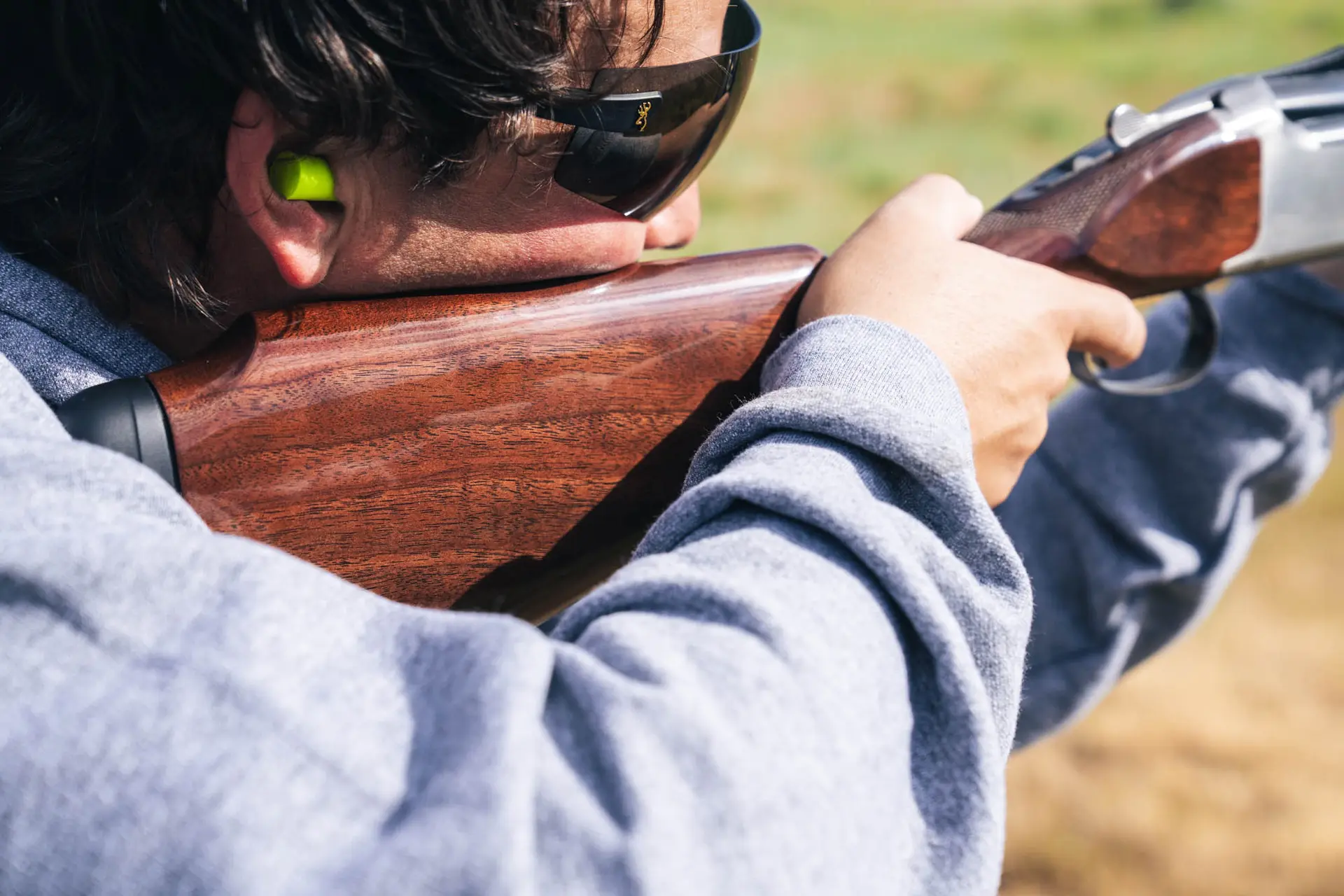
Browning explicitly notes CXT models feature a higher POI distribution (a 70/30 bias toward a higher point of impact) to leave the clay visible during the trigger squeeze on rising targets. That’s the mechanical side of what trap shooters ask for. The rising clay moves into 70 percent of the pattern, with only 30 percent below it. Trap shooters demand visibility and predictable centering as the clay comes up. If you’re shooting trap at a competitive level, a higher POI can reduce the need for awkward visual gymnastics and let you punch clean breaks more consistently.
Trap guns overwhelmingly favor longer barrels for a smoother swing and extended sight radius; you’ll find the CXT offered in longer lengths aimed at that market. If you spend your time on the trap line and you like a long, stable swing, the CXT’s barrel choices will reflect that bias. Again, check the specific model spec sheet, as extended-length offerings and variant options can noticeably change handling.
Practical Takeaways — What to Measure and What to Expect
- Fit first. All the numbers we quote for drop at heel, drop at comb, and LOP are only meaningful if the gun fits you. A 1/4" change in drop can force a target reading that is a little higher or lower, and that can change how often your point of aim matches your pattern center. Shoulder the gun and get the bead to your eye multiple times before making your purchase.
- POI is a design choice, not a flaw. When Browning says CXS is 50/50 and CXT is 70/30, that’s intentional. The company sets rib heights and stock pitch to bias the pattern. Don’t expect a trap gun to behave like a skeet gun or vice versa without stock or rib changes. If you need a do-everything gun, the CX is the compromise. If you want to win a discipline, choose the model designed for it, then tune the stock fit and choke selection.
- Barrel length changes everything. Shorter barrels ensure a quicker point and less weight on the front. Longer barrels provide a smoother swing and longer sight plane. Match the barrel length to the type of target presentation you see most often. For mixed-use, 28"–30" is usually the sweet spot. Trap goers tend to go longer.
- Specs vary by sub-model. Browning offers adjustable-comb versions, sporting clays-specific packages, composite, White and White Lightning, etc., and different stock finishes that change dimensions slightly. Published numbers from reviews and dealer pages are reliable guides but always verify the actual gun you’re handling (or ask the retailer for a spec sheet).
FAQs
What is an over/under shotgun?
An over/under shotgun is a versatile firearm with two barrels stacked vertically, allowing quick follow-up shots without reloading. This design promotes a naturally smooth swing and balance, making it ideal for a variety of shooting disciplines, including sporting clays, trap, and upland hunting. With two barrels, you can run two different chokes.
What is the purpose of a shotgun choke?
A shotgun choke is a constriction at the muzzle that shapes the spread of shot pellets, influencing shot pattern density and range. Different chokes allow shooters to optimize their shot spread for various applications.
What is the difference between a sporting clays and a trap shotgun?
The primary differences between a sporting clays and trap over/under shotgun involve Point of Impact (POI), stock dimensions, and barrel length. While both can be over/unders, trap guns are built for rising, going-away targets, whereas sporting clays models are built for targets presenting from a wide variety of angles, distances, and speeds.
Final Thoughts — Why These Differences Matter
At Browning, we test equipment the way we use it, not a single trip, but a series of sessions in which the geometry either helps us shoot or forces us to compensate. With the Citori CX family, the critical differences aren’t cosmetic. Don’t get us wrong, CX shotguns are sexy. However, they are engineered to help you perform well on moving targets, whether clay or feathered. The CX keeps you honest for mixed work; the CXS gives you consistent pointability and neutral patterns for clays and fast upland shots; the CXT gives trap shooters an immediate advantage in visibility and centering.
If you’re on the fence, try them all with the same choke and ammo, and pay attention to where your eye naturally sits on the rib. Measure the LOP, drop at the comb and heel yourself, and pattern the gun at realistic distances for your shooting. The three measurements (drop, POI, and barrel length) will tell you more about how a Citori will perform for you than any brochure, article, or YouTube video ever will.