The Browning A5 20-Gauge: Built for the Dove Opener
Published on August 28, 2026 by Browning Staff
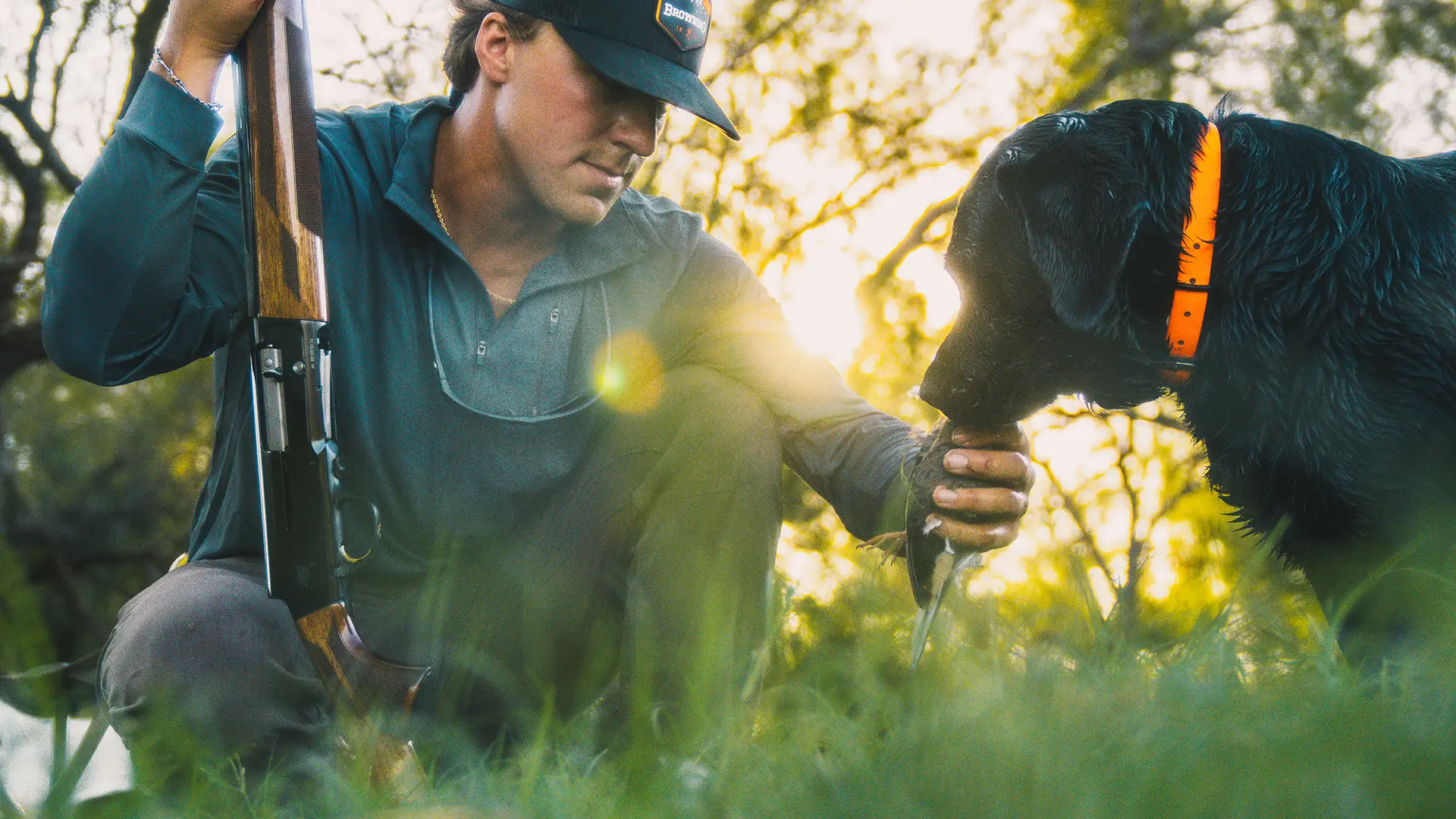
There’s a moment every September when summer hands the calendar over to fall, and for hunters, that moment has a name: dove season. After months of hot and humid days, the dove opener feels like a starting gun going off. Hunters spread out across field edges and turn their gazes to the sky. But doves have a way of humbling even confident shots. They juke, they dive, they ride a tailwind past the hunter and are gone before he can get the gun to his shoulder. Success in the dove field comes down to two things: the shooter’s reflexes and the shotgun in his hands.
That’s where the Browning A5 20-gauge earns its keep.
A Gun Built for Fast, Long Days Afield
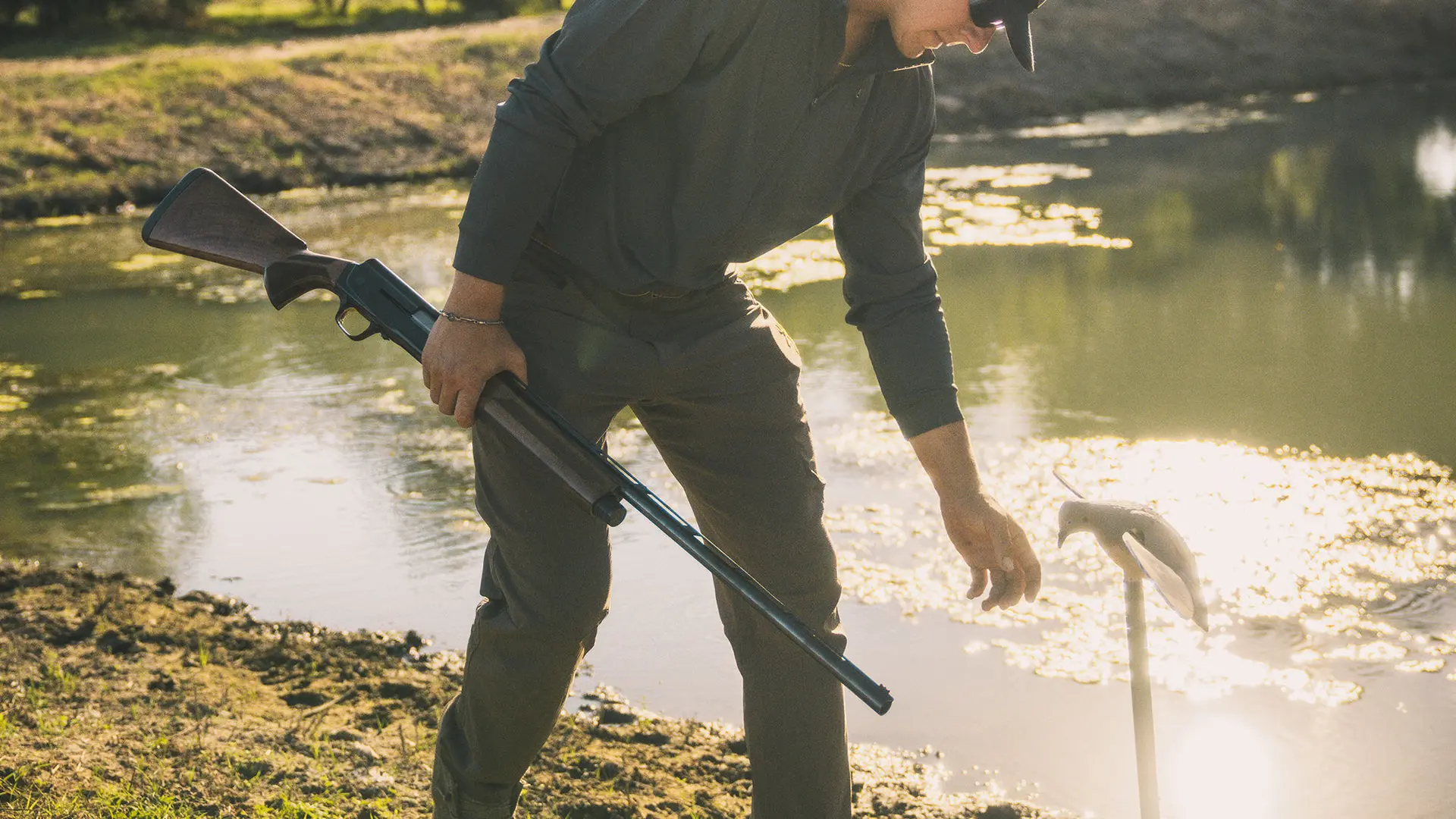
Dove hunting rarely means a quick handful of shots and a trip home. When the birds are flying the action can be steady for hours, and a shotgun needs to keep pace without wearing out the shooter. That means quick handling, dependable cycling, and a gun light enough to carry, mount, swing, and shoot all day without fatigue setting in.
The A5 20-gauge checks every one of those boxes. Built on a smaller-frame platform, it weighs in at roughly 5 ¾ pounds, making it noticeably trimmer and lighter than a 12-gauge field gun. That matters more than it might seem. A shotgun that comes up naturally and swings smoothly gives a hunter a better chance at those quick, close, and often unpredictable dove-field shots.
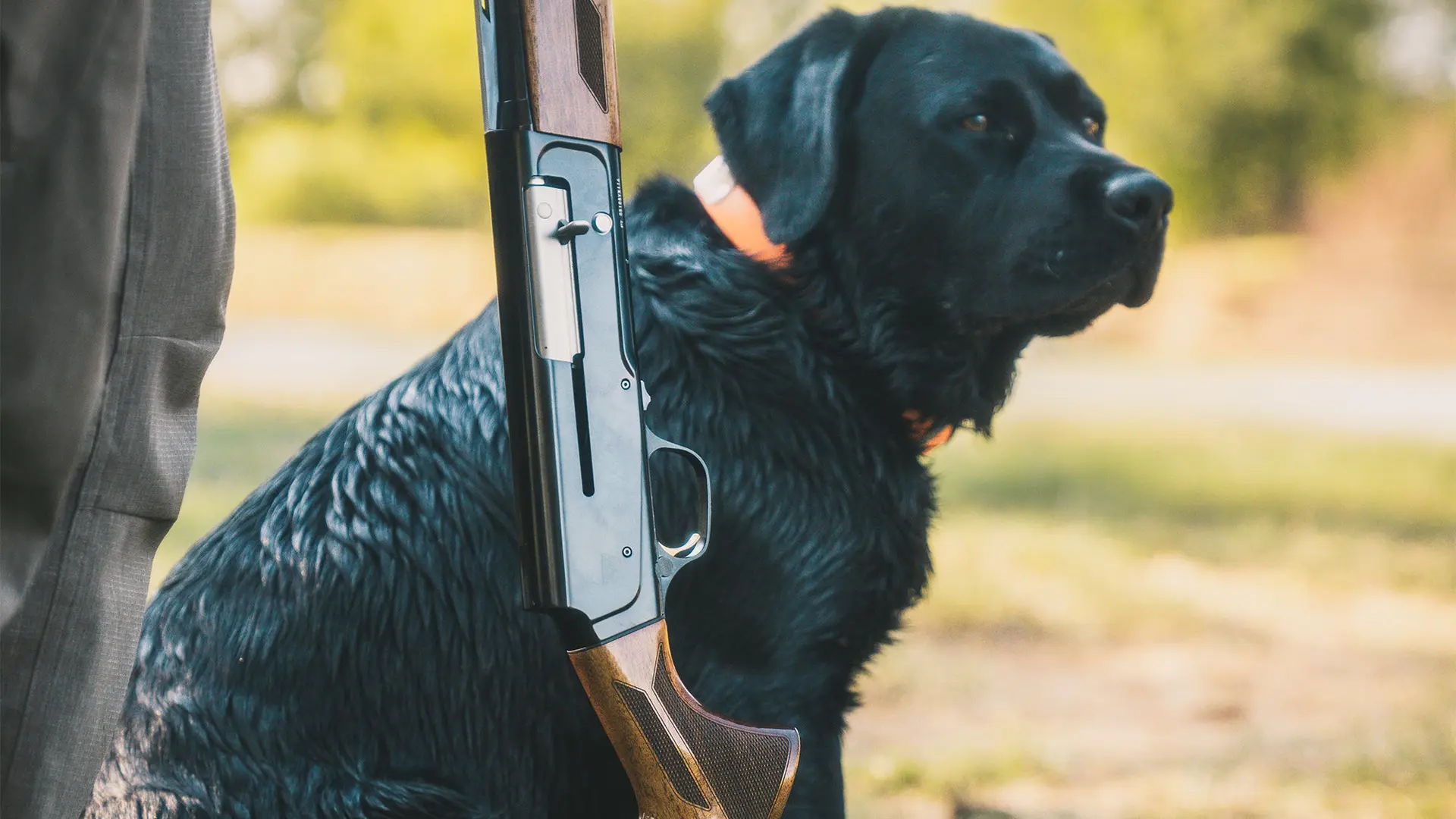
Powering the A5 is the recoil-operated Kinematic Drive System, a simple, reliable design that uses the energy of the shot itself to cycle the action. Unlike gas-operated guns, it has fewer moving parts to clean and maintain, and it’s tuned to run light 7/8 oz. 2 ¾-inch field loads, the kind most hunters chamber up for doves, without a hitch. That same reliability carries over to heavier three-inch shells, so the gun that fills a dove vest in September is just as ready for upland birds or waterfowl later in the season.
Features That Matter When the Birds Are Moving
A few features stand out for wingshooters chasing doves specifically.
The Inflex II recoil pad directs recoil down and away from the shooter’s face, which softens felt recoil and lets a hunter get back on target faster for a follow-up shot, an important detail on a bird known for testing a shooter’s second and third shots as much as the first. The A5’s signature “Humpback” receiver profile isn’t just cosmetic, either. It extends the sight plane, helping a shooter’s eye connect more naturally with the muzzle for quicker target acquisition on crossing and diving birds.
Speed Load Plus, a feature patented in 1952 for the original Auto-5 design, sends the first shell loaded into the magazine straight into the chamber, so the gun is ready to fire without the shooter having to rack the bolt by hand or press the bolt release. When a flurry of doves crosses the field all at once, that extra speed matters. The companion Speed Unload feature makes emptying the gun just as quick and simple.
Federal regulations limit shotguns to three shells when hunting migratory birds, and the A5's TurnKey Magazine Plug makes it easy to comply. A standard car or door key inserts into a slot on the magazine tube to remove or install the plug in seconds, no separate tool required.
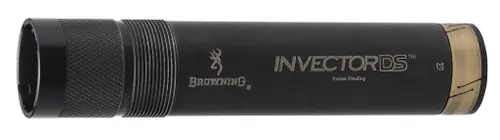
Round out the package with flush-fit Invector-DS choke tubes. The “DS” stands for double-seal, a proprietary brass seal that compresses against the barrel wall to keep threads clean and make installation and removal easier. The chokes are part of a larger system Browning calls the Total Barrel Dynamics, which combines the Invector-DS chokes with a lengthened Vector Pro forcing cone and Back-Bored Technology. Together, these work to reduce shot deformation as it travels down the barrel, tighten pattern density, and put more pellets on target, the same barrel technology Browning uses in its Citori over/under shotguns.
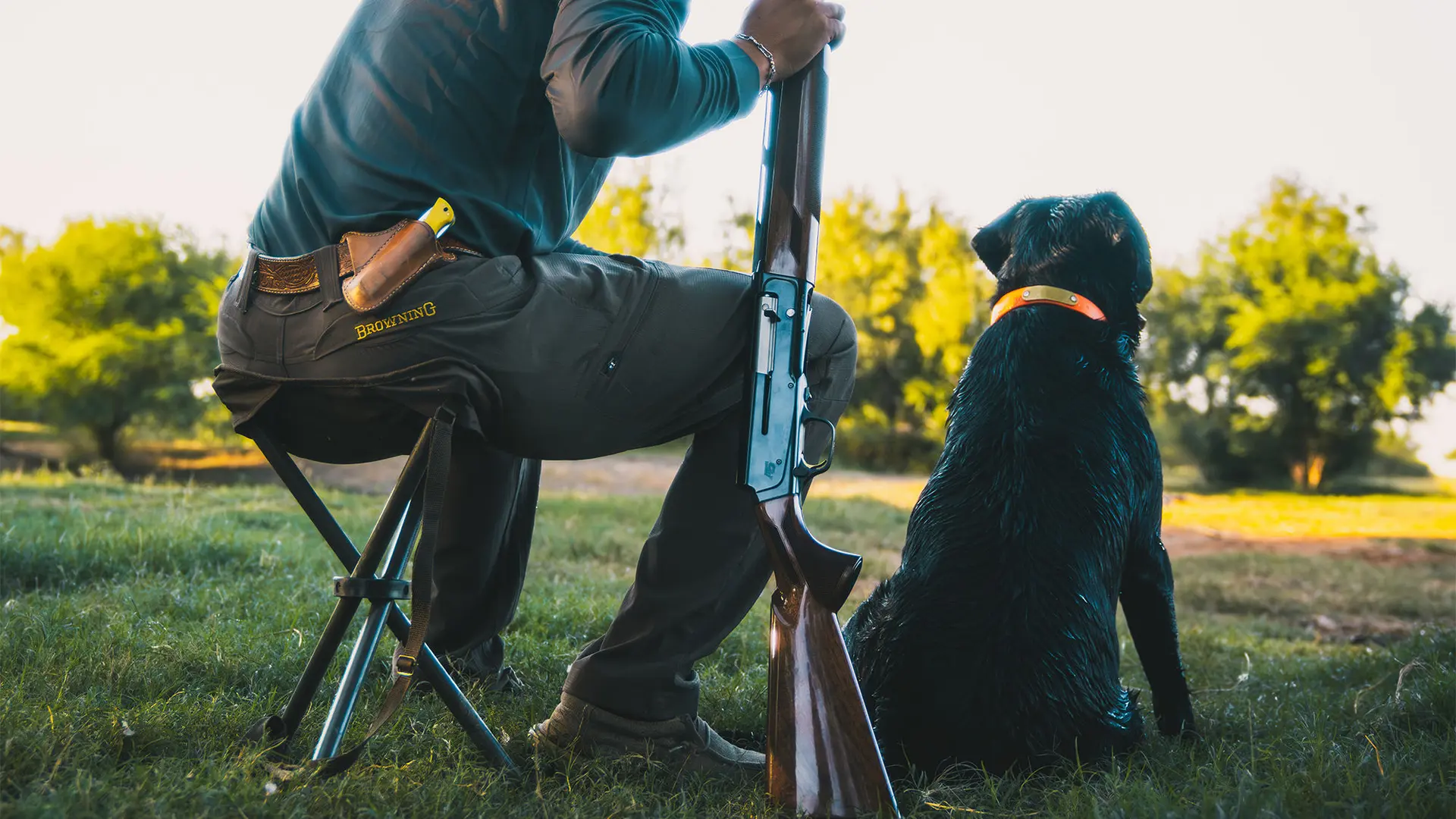
Fit matters, too, and the A5 includes spacers and a shim kit that allows a shooter to adjust length of pull, drop, and cast without a trip to a gunsmith. A shotgun that fits properly points where the eye looks, which is the foundation of consistent wingshooting.
Hunters who want to take the A5 beyond the dove field have options. Alongside the standard Hunter model with its high-gloss walnut stock, the A5 20-gauge is also available in camo patterns built for waterfowlers who want one gun to handle both doves in September and ducks later in the season.
That’s a lot of engineering packed into a gun built to carry all day and swing fast when it matters. Browning backs all of it with a five-year, 100,000-round warranty, a strong statement of confidence from a company that has been building shotguns since 1878. For a closer look at every feature on the A5 20-gauge, along with photos and full specs, visit the A5 20-gauge overview.
Putting It to Work in the Field
Good gear only goes so far without good technique, and doves reward hunters who follow a few field-tested habits. Stillness is the biggest one. Once the shooting starts, standing quietly with the face down but eyes up, rather than moving around, gives incoming birds less reason to flare off. A blind that blends into the surroundings helps, too.
When it comes to actually hitting the bird, the most common mistake is shooting behind it. Doves rarely fly in a straight line for long, so tracking the bird's path and following through after the shot, rather than stopping the swing the moment the trigger breaks, makes the difference between a clean hit and a clear miss. Pattern selection matters too. A more open choke like Improved Cylinder handles closer birds well, while Full or Modified offers a tighter pattern for longer crossing shots over bigger fields.
Safety is the top priority on any dove shoot. A general rule of thumb is to keep some real distance, seventy-five yards or more, between shooters spread across a field, and to keep muzzles pointed skyward and above the treeline at all times.
Before opening day arrives, it's worth spending an afternoon at the pattern board or on a round of clays with the A5 20-gauge. Testing a few loads and choke combinations ahead of time takes the guesswork out of those first crossing shots and builds the kind of confidence that pays off when the birds start flying for real. [See our guide to patterning your shotgun before opening day.]