Can I Put A Suppressor On My Rifle?
Published on June 24, 2026 by Jace Bauserman
I’ve been knocked out once in my life. I’d spun off a tackle and turned directly into a 240-pound linebacker with a head full of steam. Helmet-to-helmet contact wasn’t a concern back then, and things went black. After some smelling salts, my coach told me, “You’re alright. You just got your bell rung.” I was concussed and confused. There wasn’t a bell ringing, but rather a high-pitched screech going off in my ears. Everything hurt.
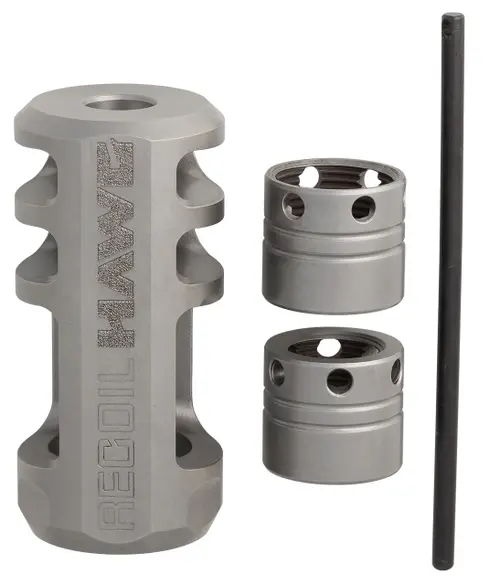
My next near concussion came courtesy of a muzzle brake and a very impatient hunter. My buddy was leaning on his pack, his body angled down. The crosshairs of his scope settled on the side of a decent 5x5 bull. He asked me for the range. Before I could give it, bull-fever got the best of him, and he slugged the trigger. The pain was immediate. The high-pitched ringing returned, and for a second, I saw black. The post-shot concussion from the brake of the .300 Win. Mag. was too much. Brakes are loud because they don’t reduce sound. Instead, they funnel high-pressure propellant gases sideways and rearward to counteract recoil. The shockwave hit me as hard as that linebacker.
The blast ruptured my right eardrum, and I was in terrible pain for the next three days of the hunt. Blood ran from my ear from time to time, and when I returned home, I saw an ENT. While muzzle brakes haven’t gone away, they are being replaced at a high rate by suppressors.
What Is A Rifle Suppressor?
A rifle suppressor, often called a silencer or a can, is a device attached to the muzzle of a firearm that reduces the noise from gunfire. Unlike a muzzle brake that amplifies noise by redirecting gases, a suppressor dampens sound by containing and cooling the expanding gases as they exit the barrel. This makes shooting quieter, offering benefits not just in reducing ear-splitting blasts but also in minimizing the disturbance to wildlife and ensuring a more discreet shooting experience. It’s a game-changer for hunters and shooters who value both precision and the surrounding environment.
What Is The Purpose Of A Rifle Suppressor?
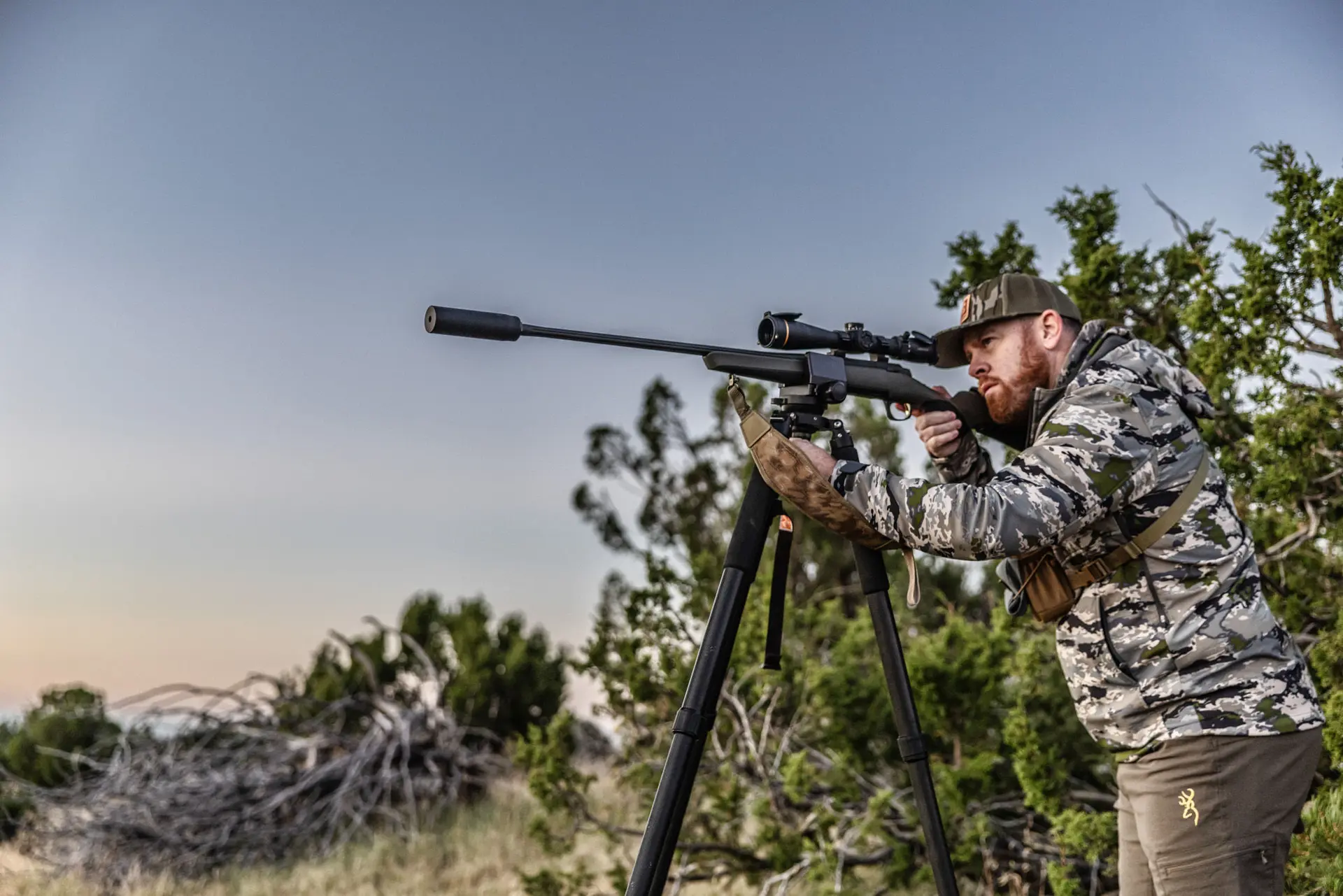
The purpose of a rifle suppressor transcends mere noise reduction. Don’t get me wrong, suppressors are awesome on the range, but they also have a purpose in the field.
How many times have you been killing yourself on a DIY public-land elk hunt, and suddenly heard World War III break out? A group of hunters found the elk and emptied their magazines. Rifle cracks echo up and down pristine mountain valleys for several minutes, and then all goes quiet. You keep hunting hard but never see another elk on the hoof.
A suppressor changes that narrative. Muffling the sound of the shot allows for quieter encounters, which is crucial for not startling game animals. This stealth factor can mean the difference between a successful hunt and a missed opportunity, not only for you, but for other hunters sharing the landscape with you. In fact, I know several outfitters that no longer allow unsuppressed firearms on their hunting properties.
“Our hunters have to shoot suppressed,” said guide Ty Fernandez. A lot of our ranches are small. We do well with mule deer, elk, and pronghorn because the animals don’t leave the properties in response to loud booms. Suppressors are crazy. We’ve killed two and three bulls out of a single herd during the late season, and the second and third bulls aren’t running shots. Because of the silence of the shot, animals don’t freak out. Most of the time, they have no idea where it’s coming from, especially if the shooter is 300 or more yards from the target animal. Plus, I can communicate with my hunter in the moments leading up to the shot.”
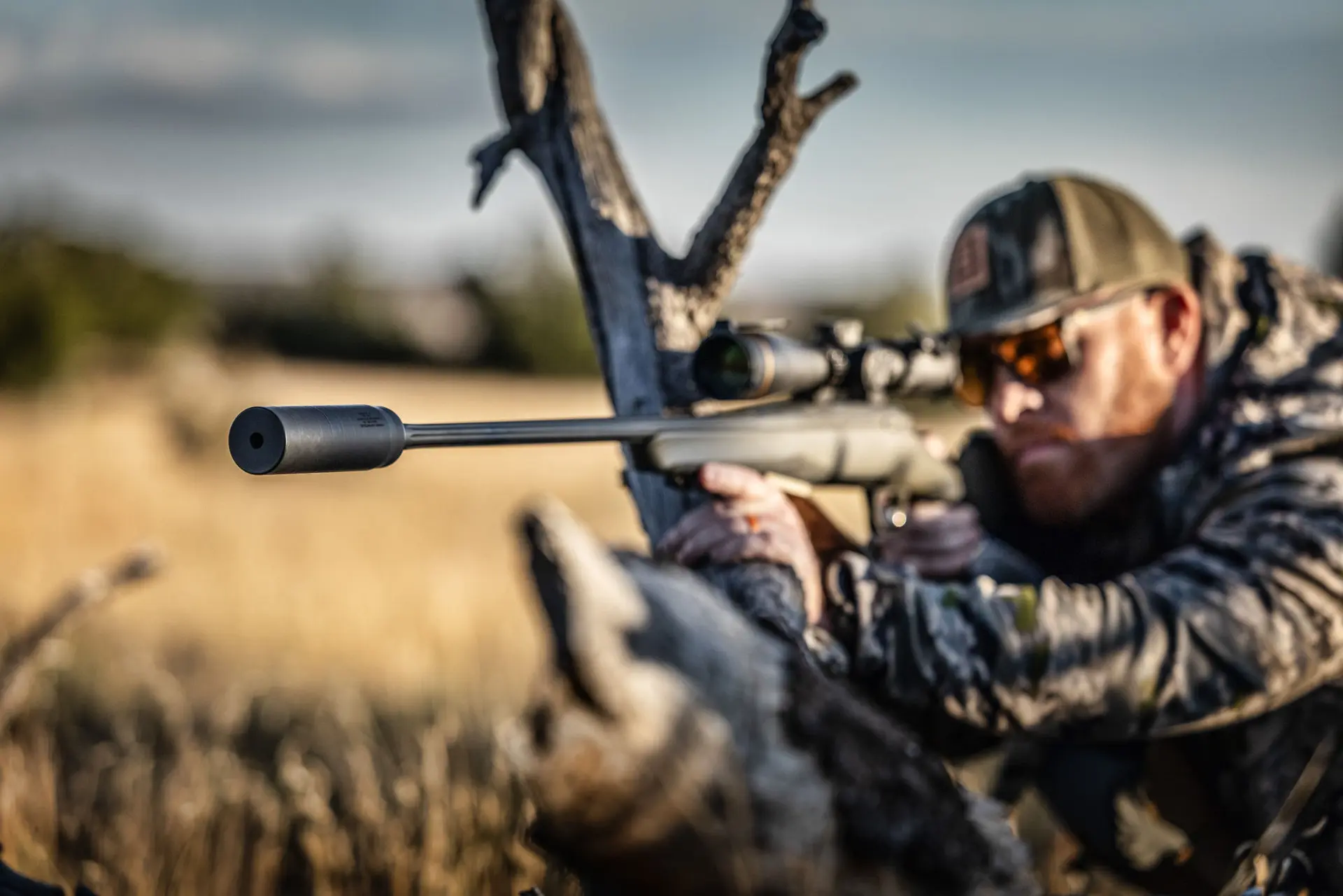
But the benefits of a suppressor don’t stop with wildlife. For the shooter, it reduces the risk of hearing damage, which is vital, especially for those who spend hours at the range. Each blast from a high-caliber rifle can be deafening, leading to permanent hearing loss. Hearing loss is not repairable. You only get one set of ears. Take care of them. A suppressor mitigates the risk of hearing loss, preserving your hearing while enabling you to focus on your aim and the task at hand.
Moreover, a suppressor can improve accuracy. Minimizing recoil and muzzle rise allows for faster follow-up shots. In a world where precision matters, that split-second advantage can make all the difference. Ultimately, a rifle suppressor is about enhancing the shooting experience while being mindful of both your ears and the environment.
Can I Fit A Suppressor To My Rifle? What Is Standard Threading, Metric Threading, Adaptors?
The easiest way to tell if the rifle you own or are looking to own can accept a suppressor is to see if the muzzle is threaded. If it’s not, you still have options. There is a plethora of aftermarket barrels available for most rifles, or the muzzle of your rifle can likely be threaded. Check in with your favorite gunsmith and see if either of these options are available for your rifle.
The most common muzzle thread for rifles larger than 22 caliber is 5/8x24. This has a .625 inch major diameter with 24 threads per inch and is right-handed thread in virtually all cases. 5/8x24 is used with 30 caliber barrels and is widely supported by American suppressor manufacturers, making it straightforward to find compatible cans and brakes. The 5/8x24 UNF muzzle thread eliminates the need for a suppressor adaptor in most cases. Some other sizes you’re likely to bump into are 1/2x28 and 9/16x24.
By contrast, many foreign and specialty firearms use metric threads, specified by diameter × pitch in millimeters. For example, M14×1, M18×1, M22×1, and M24×1.5. These differ both in major diameter and thread pitch from 5/8x24, and they may be right‑ or left‑handed. Because the thread form, metric, diameter, and pitch don’t match, metric devices won’t screw onto a 5/8x24 barrel safely, and vice versa. Trying to force mismatched threads risks damage, poor alignment, and unsafe mounting.
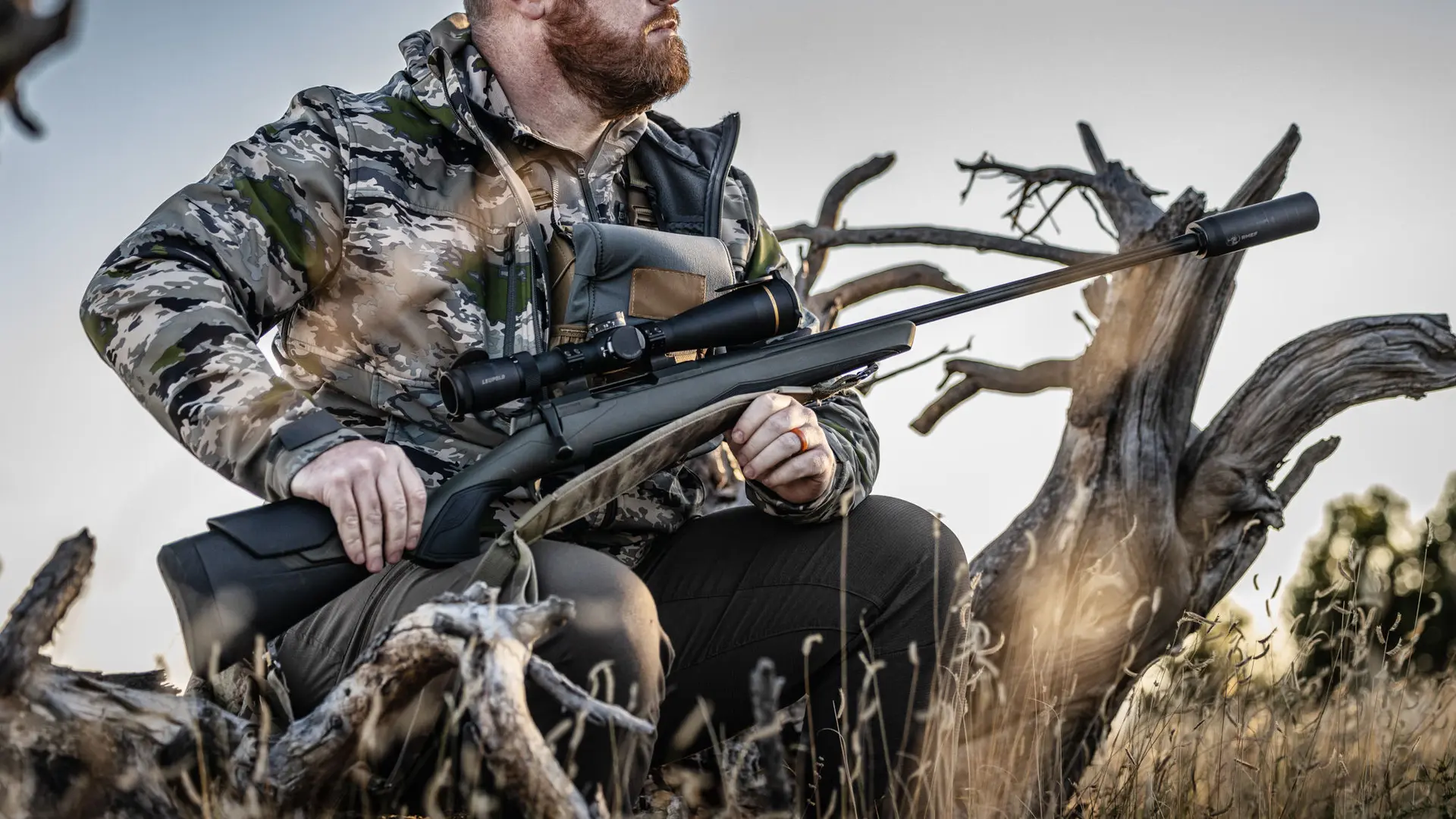
Adapters are what bridge the muzzle thread to suppressor gap. You’ll find male/female plug adapters, quick‑attach mount interfaces, and barrel‑mounted sleeves that let a suppressor with one thread spec attach to a barrel with another. Adapters add extra length, weight, and a potential shift in point of impact; they can also alter backpressure, which matters for autoloading rifles. This is why most hunters prefer standard threading. Precision machining, proper shoulder/timing features, and correct handedness are essential for maintaining alignment and preventing loosening. Some suppressor manufacturers also offer direct thread adaptors that replace the existing unit that fits into the rear of the suppressor body, minimizing the effects of a separate thread adaptor.
Before using an adapter, confirm your barrel’s thread dimensions with calipers and a thread gauge or check the manufacturer’s specs. Match handedness and any timing/index requirements called out by the suppressor maker. Use quality adapters rated by the suppressor manufacturer and follow their installation torque and timing instructions.
In short: 5/8x24 is a common U.S. standard; many metric threads won’t mate without an adapter. When adapters are required, choose precision parts, expect changes in weight and POI, and prioritize correct installation for safety and reliable performance.
Can I Put A Suppressor On My Browning Rifle?
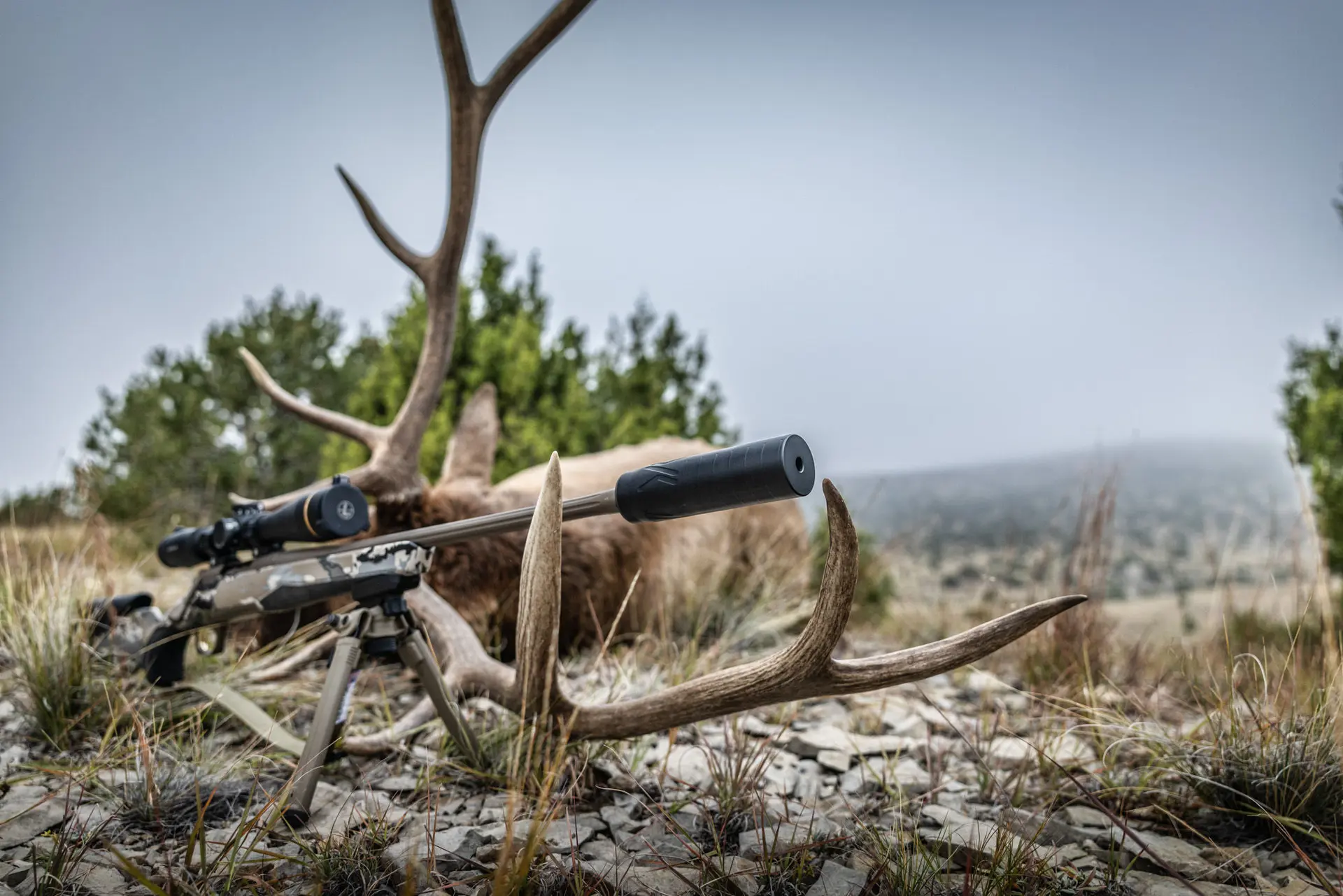
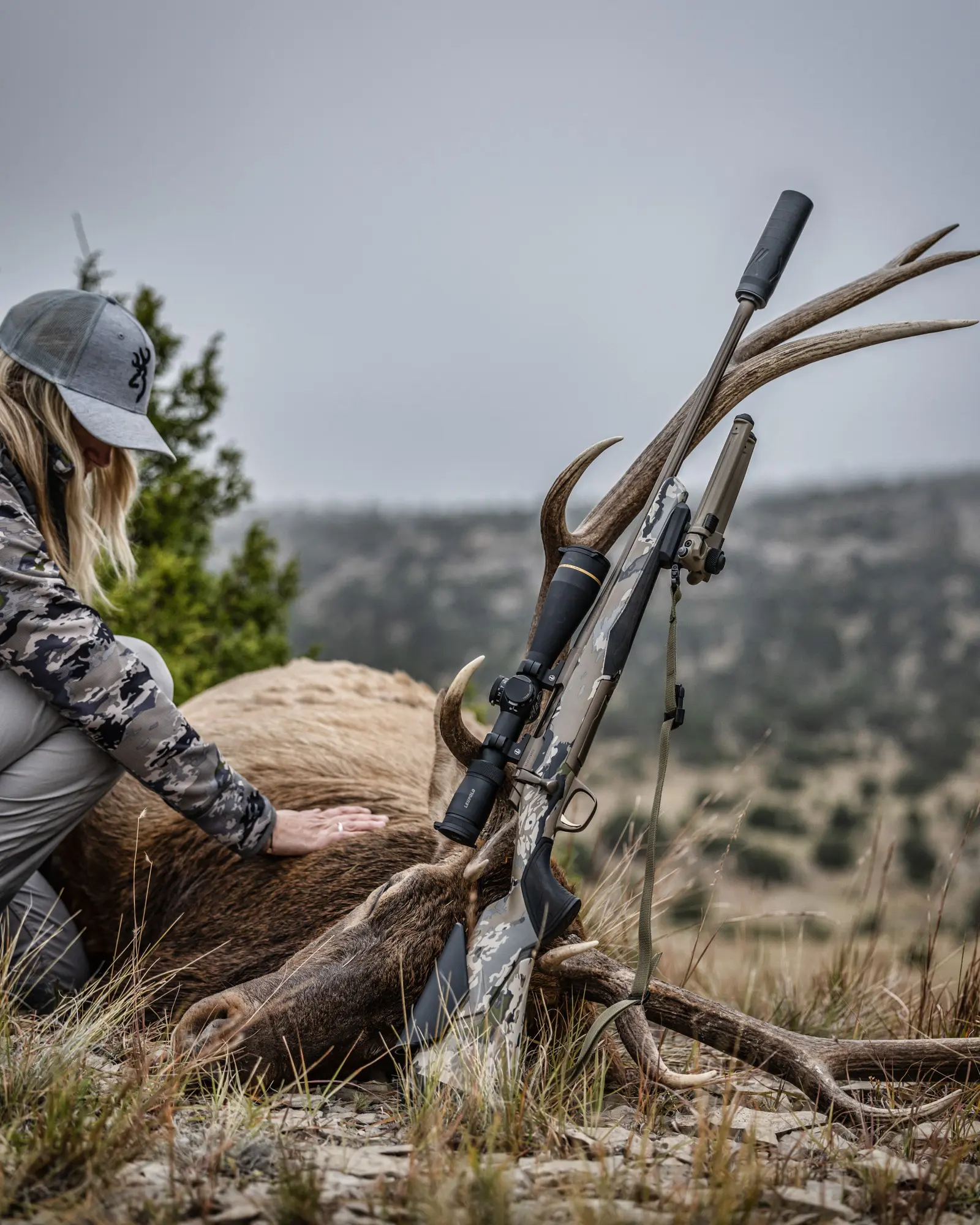
Currently, Browning offers 68 different X-Bolt 2 rifles. For example, one of Browning’s best-selling X-Bolt 2 models is the X-Bolt 2 Speed. The rifle sports Browning’s customizable and durable Vari-Tech composite stock with Browning OVIX camo finish and hits an under-$1,650 price point. The rifle, like many X-Bolt 2 models, wears a removable muzzle brake. Regarding suppressors, it’s what threading is under that muzzle brake matters.
Here’s a basic breakdown of muzzle threading on Browning rifles:
- Most Browning X-Bolt 2 rifles have 5/8x24 muzzle threading. These rifles have a heavy sporter weight or larger barrel profile or a sporter weight barrel that is flared at the end. 5/8x24 muzzle threading makes installing a suppressor via direct mount very easy.
- Browning rifles with slender, sporter-weight barrels use M13x.75 or M13x1.25 muzzle threading. A thread adapter is needed to mount a suppressor.
What Does SPR Mean?
Browning makes several X-Bolt 2 SPR models, and SPR stands for “Suppressor Ready.” So, what’s the difference between an X-Bolt 2 Speed and an X-Bolt 2 Speed SPR if both accept a suppressor? Barrel length and profile. Many hunters stray from a suppressor because they don’t want to add six more inches to a 24- or 26-inch barrel. A long-barreled rifle is fine for bench shooting but not ultra-practical in the hunting woods, especially if the hunter is roaming the western landscape.
Popular Browning SPR models like the Speed SPR, Pro McMillan SPR Carbon Fiber, and Mountain Pro SPR feature shorter barrels than Browning’s non-SPR models.
Browning’s X-Bolt 2 Speed comes in the following calibers and barrel lengths:
- 243 Win – 22"
- 6.5 Creedmoor - 22"
- 308 Win - 22"
- 6.5 PRC - 24"
- 6.8 Western - 24"
- 270 Win - 22"
- 30-06 Sprg - 22"
- 7mm Rem Mag - 26"
- 7mm PRC - 24"
- 28 Nosler - 26"
- 300 Win Mag - 26"
- 300 PRC - 26"
- 280 Ack Imp - 24"
- 22 Creedmoor - 22"
- 25 Creedmoor - 22"
Browning’s X-Bolt 2 Speed SPR comes in the following calibers and barrel lengths:
- 6.5 Creedmoor - 18"
- 308 Win -18"
- 6.5 PRC - 20"
- 7mm Rem. Mag - 22"
- 7mm PRC - 20"
- 300 Win. Mag. - 22"
- 300 PRC - 22"
- 280 Ack Imp - 20"
- 22 Creedmoor - 18"
- 25 Creedmoor - 18"
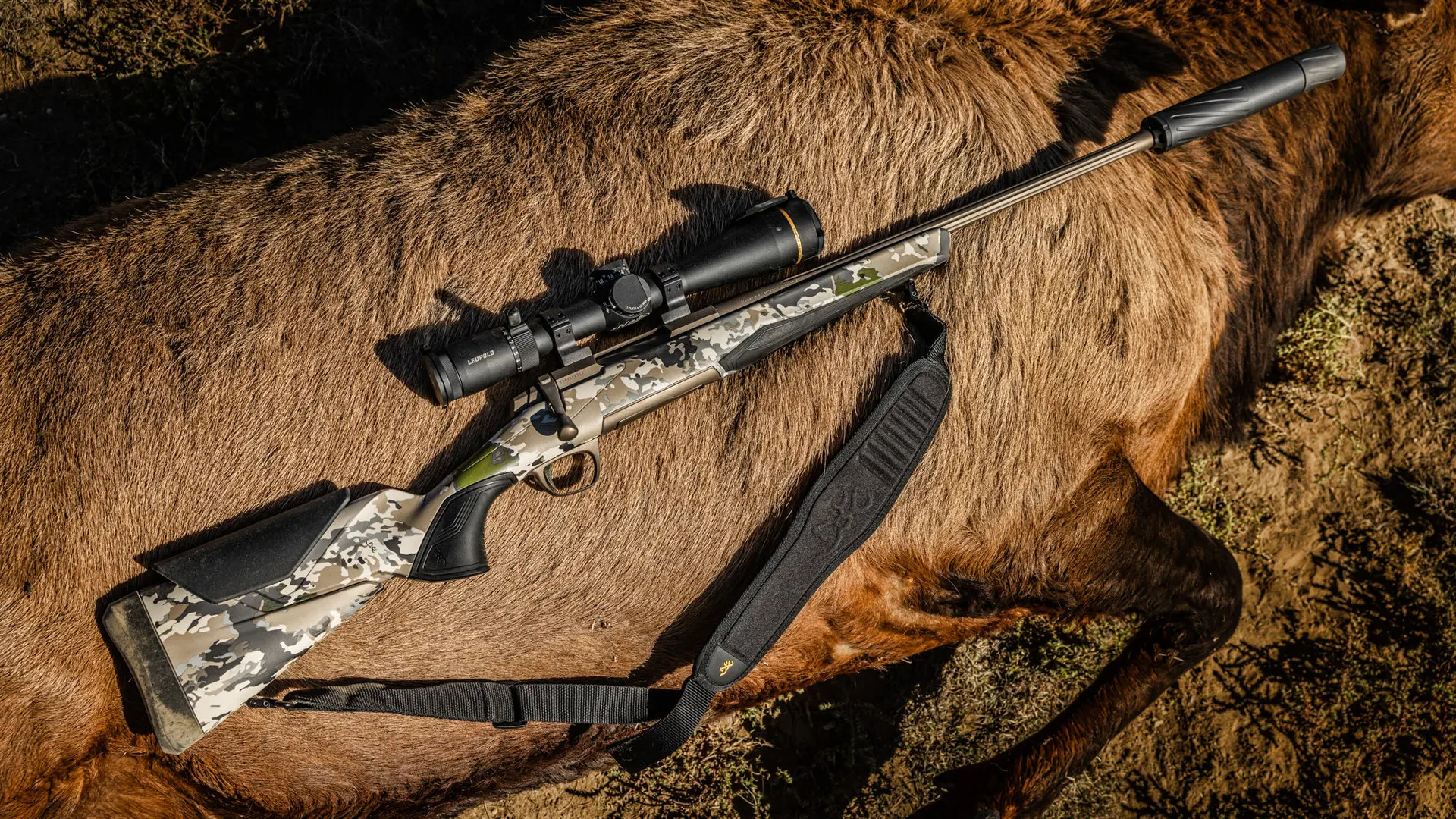
You can see the difference. The shorter barrels on SPR models allow hunters to add a suppressor and take a short-barreled rifle to standard length. With this, you get the best of all worlds. You get a big game killing rifle that lets you add the suppressor of your choice without adding too much length. Take the popular 300 Win. Mag. Speed SPR with a 22-inch barrel. Add a six-inch suppressor, and you’ve now got a 28-inch barrel that maximizes ballistic coefficient and doesn’t add too much extra length. Add that same suppressor to the standard X-Bolt 2 Speed, and the barrel length jumps to 32. And you can select a shorter or longer suppressor based on your needs. Lastly, all Browning SPR rifles use industry standard 5/8x24 threading.
Final Thoughts
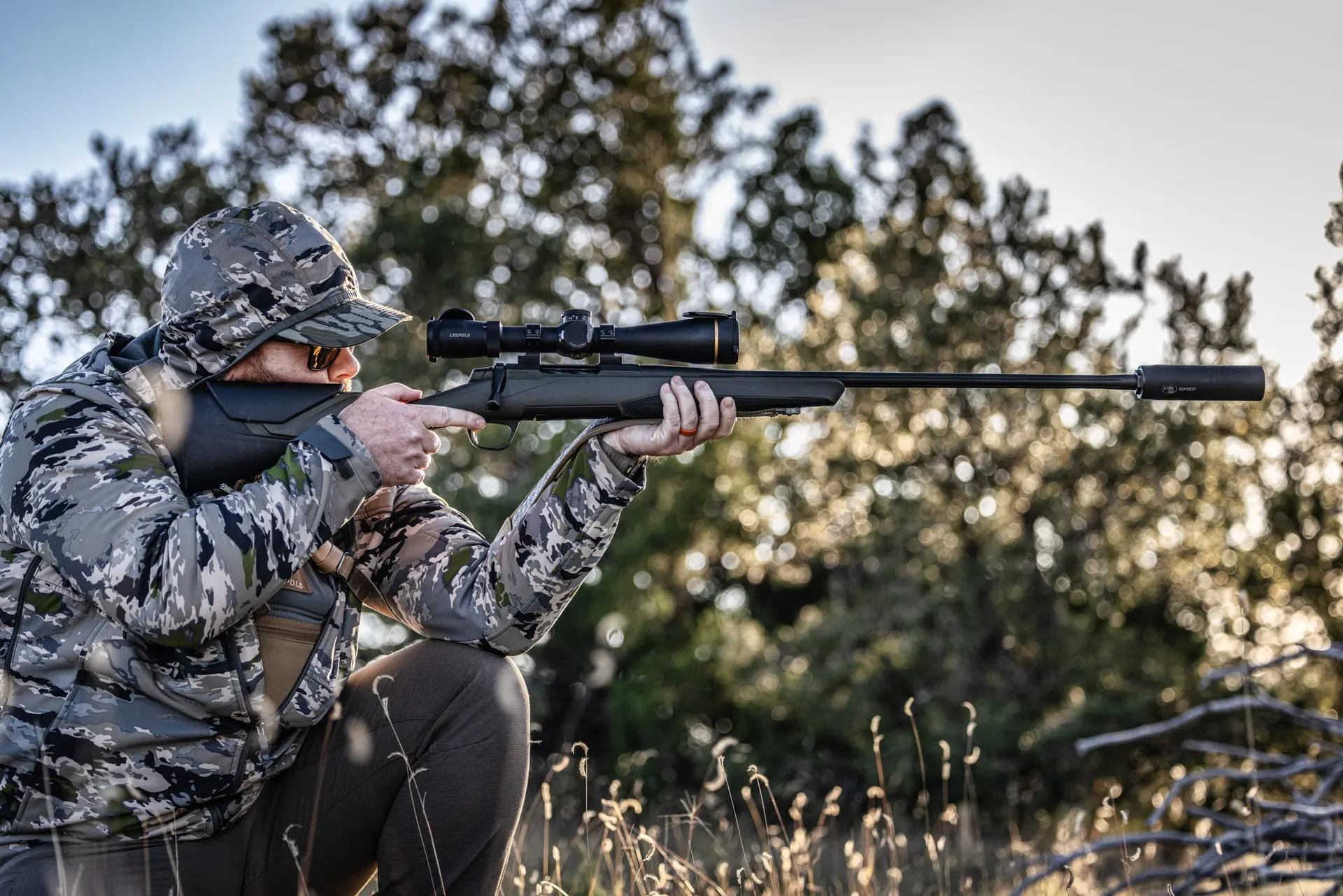
I’ve had my bell rung twice — once by a linebacker, once by a muzzle brake — and both times taught me the same blunt lesson: Sound matters. Suppressors aren’t some optional gadget for gearheads; they’re insurance for your ears, your hunt, and the people and animals around you. They keep elk from ghosting off the ridge, let guides manage small properties without every shot turning into a stampede, and they stop you from trading a lifetime of hearing for a fleeting adrenaline high.
If you own a Browning X‑Bolt 2, don’t assume a suppressor is out of reach. Check your muzzle threading and consider an SPR model if you want the balance of compact handling and ballistics. A 22‑inch Speed SPR with a six-inch suppressor beats lugging a 32‑inch long behemoth through timber. Buy the right adapter, talk to your gunsmith, and think long-term: Hearing protection, shot concealment, and faster, more accurate follow-up shots all compound into more consistent, ethical hunting.
At the end of the day, a suppressor is simple risk management. It’s about keeping your ears intact, your quarry present, and your shots effective. That’s gear worth investing in. Don’t wait until you learn the hard way — start protecting your hearing now.