

The Citori CXT with Adjustable Comb
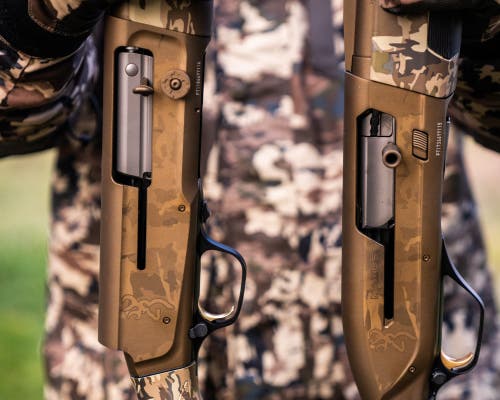
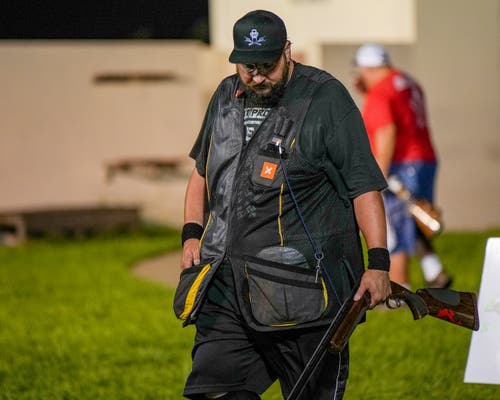
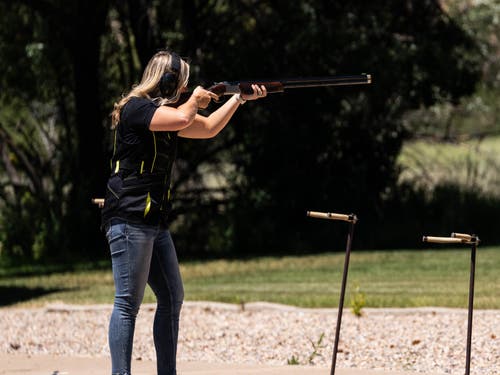
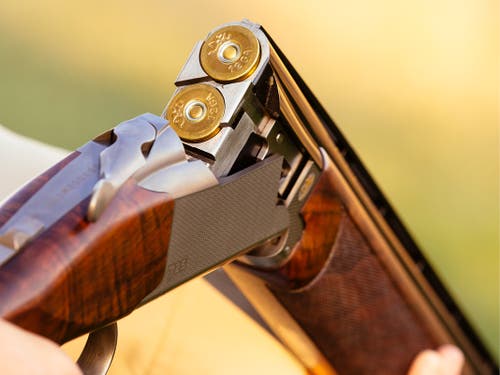
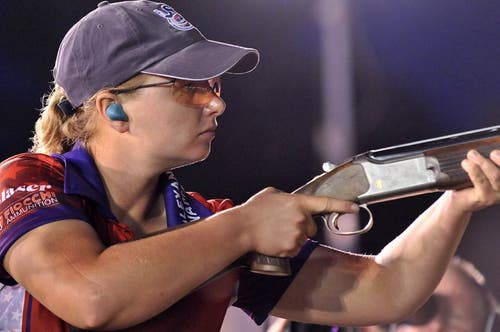
When heading out this spring to break clays, you want a shotgun that checks factors like fit, performance, reliability, and quality. A new shotgun may be in the mix if your current clay buster doesn’t follow suit. The Browning Citori CXT with Adjustable Comb is a stellar choice for enthusiasts looking to dominate the trapshooting scene. It offers a blend of reliability, performance, and customization that sets it apart as a top-tier trapshooting option.
The Citori CXT with Adjustable Comb
When heading out this spring to break clays, you want a shotgun that checks factors like fit, performance, reliability, and quality. A new shotgun may be in the mix if your current clay buster doesn’t follow suit. The Browning Citori CXT with Adjustable Comb is a stellar choice for enthusiasts looking to dominate the trapshooting scene. It offers a blend of reliability, performance, and customization that sets it apart as a top-tier trapshooting option.
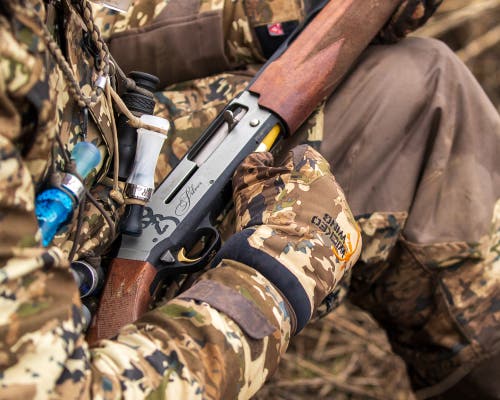
Russell Knight, Tips for Longbeards, & Why You Need the Maxus II All-Purpose Hunter
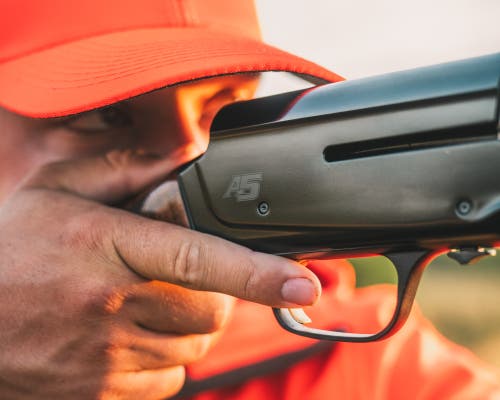
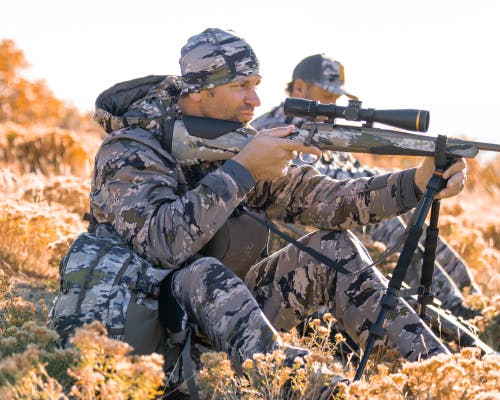
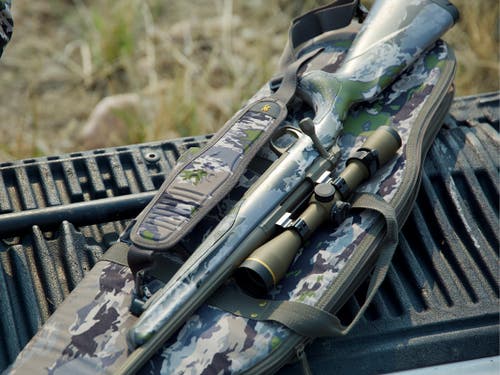
Spring has sprung, and it’s time to get into the turkey woods with a Maxus II All-Purpose Hunter and make some memories. Heed these to-come, early-season tips from turkey legend Russell Knight, and you’ll bag more longbeards in 2024 and beyond.
Russell Knight, Tips for Longbeards, & Why You Need the Maxus II All-Purpose Hunter
Spring has sprung, and it’s time to get into the turkey woods with a Maxus II All-Purpose Hunter and make some memories. Heed these to-come, early-season tips from turkey legend Russell Knight, and you’ll bag more longbeards in 2024 and beyond.
Prepare Now For Springtime Turkeys
For me, the spring turkey season is a three-part process.
First comes the scouting. I scout year-round for turkeys but get serious in February and March. This is when I locate and watch the eventual breakup of winter flocks. I also note where toms disperse as their bachelor flocks dissolve.
Prepare Now For Springtime Turkeys
For me, the spring turkey season is a three-part process.
First comes the scouting. I scout year-round for turkeys but get serious in February and March. This is when I locate and watch the eventual breakup of winter flocks. I also note where toms disperse as their bachelor flocks dissolve.
RECENT ARTICLES
RECENT ARTICLES

.jpg?width=500&auto=webp&quality=75)
.jpg?width=500&auto=webp&quality=75)




BROWSE TOPICS
BROWSE TOPICS
As a service to our customers, Browning provides access to our library of archived news, articles and tech terms. It is important to note the last date associated with the article. Archived and older articles on our site are presented for the information of our customers only. When buying a firearm, your local Browning dealer can help with specifications and details for each product.